Education advocates have urged Parliament to strengthen oversight of the education sector after revealing that Malawi loses nearly $77 million (about K134 billion) annually through class repetition and school dropouts linked to poor foundational learning.
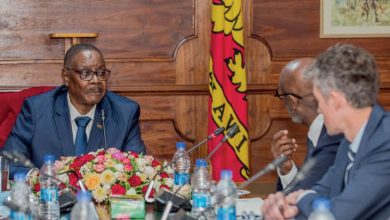
During the launch of a policy brief for members of Parliament (MPs) titled ‘Are our children learning?’ in Lilongwe on Monday evening, the legislators were called to probe the state of foundational learning.
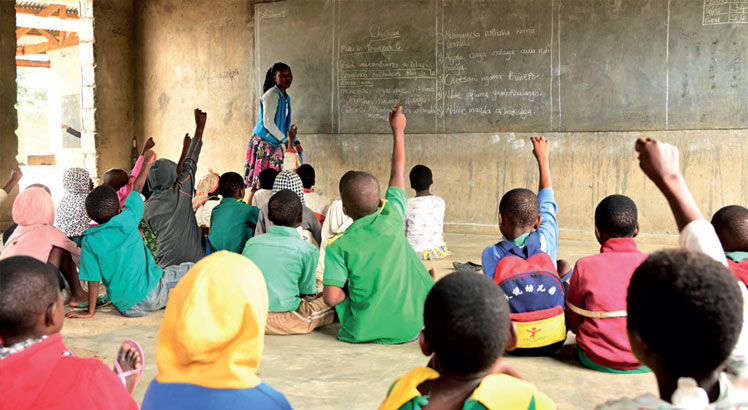
The report attributes the annual losses to Malawi’s failure to adequately prepare children before they enter primary school, with many starting Standard One without pre-primary education or basic literacy and numeracy skills.
Presented by the International Parliamentary Network for Education (IPNEd) and developed by local civil society organisations, the brief argues that education resources are being used inefficiently because children who lack foundational skills are more likely to repeat classes or drop out.
It recommends stronger parliamentary oversight, increased education financing and greater investment in early childhood education, noting that learning outcomes have remained poor despite the expansion of access under free primary education introduced in 1994.
IPNEd senior policy and advocacy adviser Beth Gum said the country’s poor learning outcomes carry high costs for both children and the economy.
She said: “The trend costs Malawi’s youngest citizens dearly in terms of their individual potential and it also costs the nation.
“The report shows that children who acquire foundational literacy and numeracy skills can earn between four and 20 percent more during their working lives, demonstrating that investments in early learning yield significant economic returns.”
According to the report, while about 88 percent of primary school-age children are enrolled, only one-third complete primary education.
Only 19 percent of children aged seven to 14 have foundational reading skills, while just 13 percent demonstrate basic numeracy, leaving many ill-prepared for secondary education and the labour market.
In an interview, Civil Society Education Coalition executive director Benedicto Kondowe said the recommendations were presented to Parliament’s Education and Social Welfare Committees because improving foundational learning requires coordinated government action.
He said: “Our message is very simple. Every child deserves to learn, and learning should be looked beyond merely being in a classroom. There has to be a strategic policy shift to ensure that our pupils learn when they are in class.”
Speaking at the launch, Parliamentary Committee on Education chairperson Mutani Tambala said legislators were ready to work with stakeholders on the proposed inquiry.
“We cannot talk about education without talking about foundational learning. Strengthening early childhood education would better prepare children for Standard One, thereby reducing repetition, school dropouts and the overall cost of educating learners,” she said.
The report warns that Malawi risks repeating the shortcomings experienced after the rollout of free primary education as government expands free secondary education without first ensuring children acquire foundational skills in the early grades.
While free primary education significantly increased enrolment after its introduction in 1994, it also exposed shortages of teachers, classrooms and learning materials.