Lindian Resources Limited, the owner of Kangankunde Rare Earth Project in Balaka District, says its mining licence is within statutory thresholds and that the government cleared it from illegal mining speculations ahead of its first production this year.
Two weeks ago, the Malawi Government and Parliament asked Lindian Resources to upgrade its medium-scale mini ng license for Kangankude to a largescale permit.
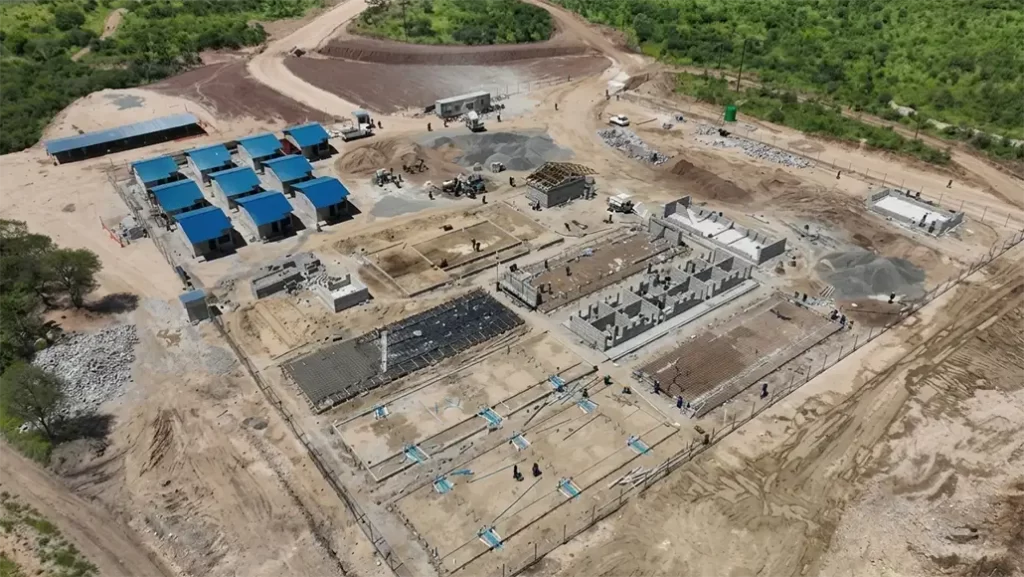
But the mining firm said in a statement that inspections by the Ministry of Mining found no evidence of unauthorised extraction or illegal mining at the mine.
Reads part of the update: “Mining licence remains valid and in good standing. Rift Valley Resource Developments Limited, the wholly owned Malawian subsidiary of Lindian, remains the lawful holder of mining licence (medium-scale), which remains valid and in good standing.”
The statement further said the ministry was satisfied that its export of mineral samples had received the required clearances and were undertaken for laboratory testing, technical assessment and approved scientific or beneficiation purposes.
Lindian Resources Limited executive chairperson Robert Martin is quoted in the statement as having said the firm is operating in accordance with Malawi’s laws and regulatory framework.
“Kangankunde continues to be developed under a valid mining licence in good standing. We remain focused on delivering Kangankunde to first production in the fourth quarter of 2026,” he said.
In an interview on Tuesday, geoscience and stones expert Ignatius Kamwanje attributed the misconception to public ignorance, adding that lack of information during the rights transferring process of the licence created speculation.
He said: “What is happening is that Lindian has to ensure it has stockpile of ore to guarantee stable production after commissioning.
“The problem is that most of the people don’t understand the issues of mining. Being a project that would go on in several phases they need to continue testing the samples.”
Chamber of Mines and Energy national coordinator Grain Malunga said in an interview that the project’s success reflects a decade of development.
“It is pleasing that they will soon start generating foreign exchange for the country,” he said.
Malawi’s entry into rare earth production is expected to diversify the global supply chain, reduce dependence on China and strengthen Africa’s mineral sector as the United States and Europe seek alternative sources.
When operational, the mine is projected to generate $114 million (about K205.2 billion) every year over 40 years, according to a feasibility study report released by this year.
Kangankunde hosts a 261 million metric tonnes resource grading, 2.19 percent total rare earth oxides, including a high-grade starter zone of 26 million tonnes earmarked for early production.
The mine is expected to be commissioned in October this year as the Australian Securities Exchange listed firm targets first production in the fourth quarter of this year.