Persistent inequalities in access to essential healthcare services in Malawi remain, particularly between poorer and wealthier populations, a new health report has shown.
The Health Financing Progress Matrix (HFPM) report says while Malawi is making progress towards Universal Health Coverage (UHC), heavy dependence on external financing, fragmented funding arrangements, limited domestic resources, weak strategic purchasing and restrictive facility-level financial management pose major challenges to an efficient and equitable health system.
The report is based on a tool developed by the World Health Organization (WHO) to assess and guide the evolution of health financing systems towards UHC and was jointly developed with Ministry of Health and Sanitation and other stakeholders.
Reads the report in part: “The assessment finds that these gains mask persistent inequities in access to essential services, with gaps between poorer and wealthier populations widening in some areas.
“At the same time, heavy dependence on external financing, fragmentation of funding arrangements and limited strategic purchasing continue to constrain system performance.”
The report further notes that at facility level, financial management remains restrictive with most facilities dependent on district offices and in-kind supplies, in the process limiting flexibility and delaying spending decisions, despite facilities understanding local service needs most.
It also highlighted that resource allocations are based on historical budgets rather than population health needs or provider performance, urging the need to transition to strategic purchasing by introducing performance-based bonuses for facilities.
In a foreword to the report, Minister of Health and Sanitation Madalitso Baloyi said Malawi has over the past two decades made significant strides in improving health outcomes, as evidenced by steady gains in the UHC service coverage index (SCI).
But she said substantial challenges remain in achieving UHC, including limited domestic funding, heavy reliance on external funding, fragmentation of health financing pools, and inefficiencies in resource allocation and utilisation.
Said Baloyi: “As Malawi continues its journey towards UHC, this report serves as a valuable resource for policy-makers, health financing experts and stakeholders.
“It provides a clear direction for the reforms needed to build a resilient, efficient and equitable health financing system that can deliver quality health services to all Malawians.”
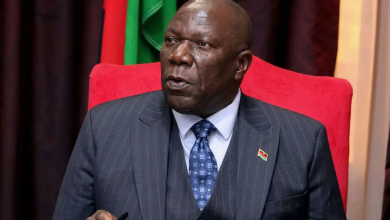
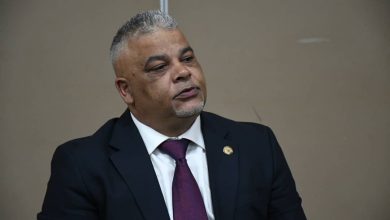
In an interview, Malawi UHC Coalition chairperson George Jobe said the poorer and geographically under-served populations are the most affected as they have fewer alternatives when services are unavailable.
He said greater financial autonomy could enable facilities to respond more quickly to local needs, but should be accompanied by transparent financial management, audits, expenditure tracking, performance monitoring and community oversight.
“UHC will not be sustainable unless Malawi finances health according to population need, strengthens domestic financing and ensures that resources reach facilities and translate into quality services,” said Jobe who is also Malawi Health Equity Network executive director.
International Coalition on Health Financing Advocacy chairperson Maziko Matemba said chronic stockouts of essential medicines and equipment in rural public facilities force communities to forgo care or face devastating transport and private-sector costs.
He said: “Primary care facilities are not legally recognised as independent cost centres in the national budget, forcing them to rely on rigid, delayed in-kind procurements distributed by District Councils.
“Financing fragmentation is highly severe because these partners frequently channel money through parallel, ring-fenced projects rather than the central treasury, the system is deeply fractured.”
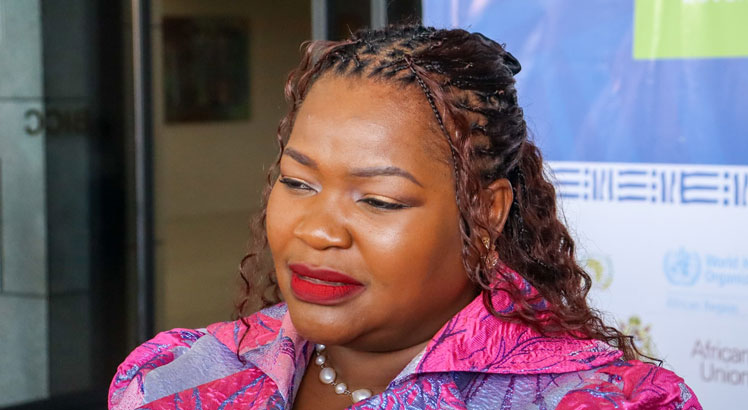
In an earlier interview, health financing specialist Norah Mwase, an economics lecturer at the University of Malawi, urged government to catalyse reforms in public finance management to improve budget absorption and transparency, leveraging digital tools for real-time expenditure tracking.
Malawi’s UHC latest index, which measures progress countries are making in achieving UHC, was estimated at 48 percent which compares favourably with countries in the same per capita gross domestic product range.