Public sanitation facilities are not a luxury, but many schools across Chitipa District lack safe toilets for learners’ health and dignity.
For adolescent girls, the gap means missing classes during menstruation, falling behind in their studies and a risk of quitting school.
Low access to safe water, sanitation and hygiene (Wash) militates against global Sustainable Development Goals (SDGs), including quality lifelong learning for all.
Children in the northernmost district say sanitation gaps in schools fuel dropouts.
Liness Kasisi, a Form Three learner at Mandela Private Secondary School, says the problem extends beyond constrained public schools.
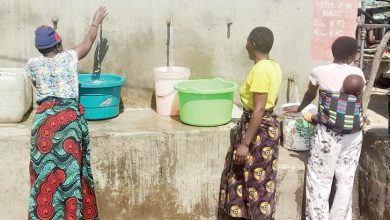
“Many children still walk long distances to fetch water before and after school. Some wake up early in the morning to collect water instead of preparing for classes,” she says.
Liness was speaking during the district’s belated commemoration of the Day of the African Child , which falls on June16.
This year’s theme promotes universal access to water, sanitation and hygiene for every child.
“The situation is even harder for girls in schools that with inadequate safe toilets and safe spaces where they can clean up during menstrual periods. Some lose interest in school due to lack of sanitation and privacy,” she states.
For her, poor Wash is a health issue as much as a child protection concern.
SDG4 promotes universal and equitable access to safe water, sanitation and hygiene for public health and well-being.
The Ministry of Health and Sanitation estimates that closing Wash gaps could prevent diseases that haunt over half of outpatients treated in hospitals nationwide.
Wenya Primary School pupils lament long walks to fetch water.
This exposes them to violent attacks, including sexual exploitation, which fuel teen pregnancies, child marriages, sexually transmitted infections and
Their message is clear: No child should have to choose between learning and fetching water or risk sexual violence to get water.
They ask government to invest in reliable water supply and improved sanitation facilities in learning spaces and underserved communities.
Every school needs safe water, enough toilets and handwashing stations so that the Malawian Child can learn with dignity, they said.
Cutting the long search for safe water and clean toilets increases girls’ chances to learn and achieve their dreams.
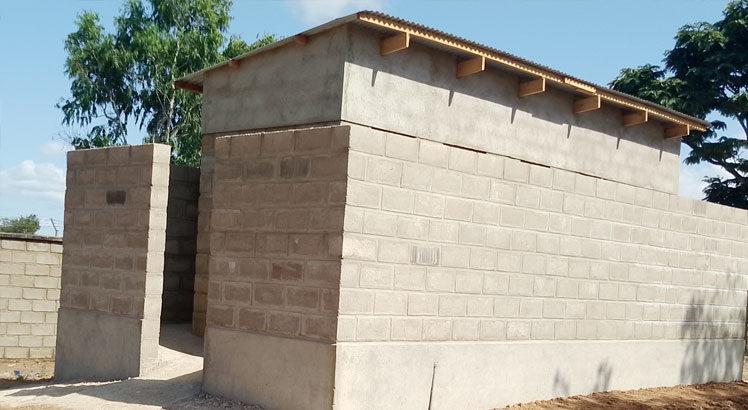
District commissioner Charles Mhone says Chitipa District Council has embarked on construction of girls’ change rooms and additional toilets in constrained schools.
“We are committed to promoting a conducive learning environment for teaching and learning,” he says.
The initiative delivered new toilets and a girls’ change room at Yamba Community Day Secondary School (CDSS), where a rainstorm damaged latrines were damaged by in February this year.
Yamba CDSS headteacher Chimwemwe Sibale says the school enrols about 1 200 pupils, mostly girls.
“The disaster left us with inadequate sanitation facilities, which forced girls to queue for long periods to access toilets. However, the new facilities will close the gap and help pupils learn in a cleaner and healthier environment,” she says.
She encourages other schools to utilise the Free Secondary Education Grant and the General Resource Fund to construct sanitation facilities.
According to Chitipa district director of education and sports McGiven Chinyamula says 813 girls dropped out of school in the 2025/26 academic year due to multiple factors, including poor sanitation, long walks to school, teen pregnancies and child marriages.
Schools along the boundaries between Malawi and Tanzania and Zambia were hit the hardest, he said.
The local education authority encourages parents and teachers to use school improvement grants, Constituency Development Fund (CDF) and other funding opportunities to improve Wash.
“Under the reformed CDF, Chitipa District Council has prioritised projects that promote Wash, including drilling boreholes and constructing gravity-fed water supply systems in the district,” he said.
Investing in water and sanitation infrastructure remains one of the simplest yet most effective ways of keeping girls in school and creating a safe learning environment for all.
To girls, a clean toilet, safe water and a private changing room represent dignity, protection and an opportunity to achieve their full potential.