Cherly was five years old when she entered Tikondane Children’s Village in Bvumbwe, Thyolo District, in 2014.
Martin Mawindo, who milks the orphanage’s six cows so that children can get basic needs, remembers that the brownish animal had no parents, no aunts or uncles and, probably, no siblings.
“All her relatives had been butchered. She had no family to teach her about life, how to survive or how to behave,” he says.
Today, Cherly is one of six dairy cows that are giving back generously to orphans at Tikondane. For 12 years, the cow has been providing milk to the organisation caring for children who were left without parental care.
The cow produces about 13 litres a day for cheese production, while her dung is used to produce biogas for cooking and cheese-making at the children’s village.
Cherly has since been joined by five other cows, bringing Tikondane’s herd to six. Together, they produce about 30 litres of milk daily.
Tikondane was established in 1998 when Aids-related deaths reduced Malawi into a country in mourning, with funerals and coffin workshops in every street corner. HIV, the virus that causes Aids, left thousands of children parentless.
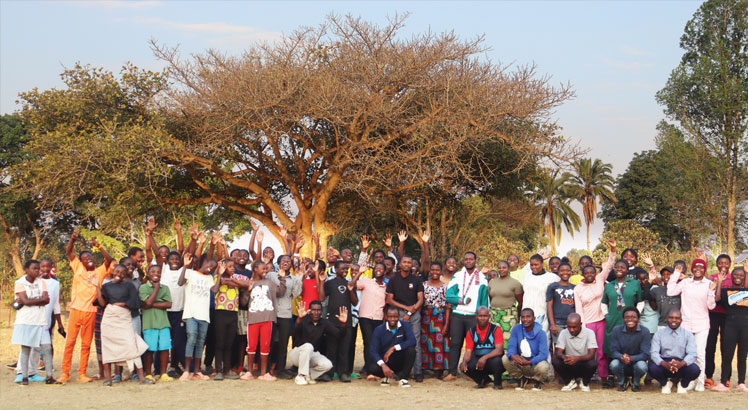
“The need for care for orphaned children was overwhelming,” says Tikondane Children’s Village executive director Scrivin Kamanga. “At the time, antiretroviral drugs were not widely available.”
According to the National Aids Commission, liberalised access to life-pronging drugs in 2005 has cut the annual death toll from over 64 000 to about 13 700 in 2024.
Despite the dramatic declines in Aids-related deaths, orphanages have suffered steep funding cuts since 2013 when Cashgate—the massive plunder of public funds at Capital Hill—forced donors to close aid taps.
The dearth led to the immediate suspension of Tikondane’s clinic.
“Even our nurses and doctors had to leave. We now outsource the services when our children fall sick,” says Kamanga. “We started thinking about how the organisation could survive and sustain its work if donor money completely vanished.
For Tikondane, the learning point triggered a self-help spirit, including the diary enterprises that produces cheese for sale.
“The answer was productive use of available resources. We had 20 hectares of land and cheese-making became the centre of that strategy,” Kamanga says.
The cheese factory now generates about 60 percent of Tikondane’s income. The machine requires about 600 litres of milk daily and produces between 45 and 50 kilogrammes of cheese, but demand is higher.
The cheese factory buys the remaining milk requirement from farmers around Bvumbwe, giving local farmers a ready market for their produce.
John Kanjeza, who supplies about 40 litres daily, says the cheese factory has brought a reliable market closer to the dairy farming community.
“We no longer endure long travels to sell our milk. We are saving on transport fares and time,” he says.
Tikondane requires K160 million to expand its cheese-making enterprise. This includes adding four high-yielding cows to its herd, a 500-litre cheese vat, milk cooling tank, commercial vacuum packaging machine and a modern cheese maturation room.
“We are looking for partners for this expansion,” Kamanga says.
Factory manager Joel Mantuwa says the charity wants to expand the cheese production building, improve its cold-chain facilities, install a bigger solar backup system and acquire a refrigerated delivery vehicle.
Tikondane cares for 87 children and provides education from early learning through secondary school. They consume about 560 bags of maize each year, excluding other foodstuffs.
As the six cows say “cheese!”, self -help is fast becoming part of the organisation’s survival strategy amid global shifts in aid.
The mooing animals are part of the new normal as the organisation seems determined to prepare a future for every child in their care.
Tikondane plans to develop poultry, fish farming and maize production.
“We want to have 100 percent income for the organisation’s humanitarian work come from self-help through these ventures. We also want to revive our clinic and upgrade our guest house for income generation,” says Kamanga.