The United Nations (UN) says persistent shortages in accessing basic services and household necessities remain the biggest driver of multidimensional poverty in Malawi, with deficits in living standards accounting for 56.9 percent of the overall poverty burden.
The United Nations Development Programme (UNDP) describes multidimensional poverty as a measure of overlapping deficiencies in health, education and living standards rather than relying solely on income-based indicators.
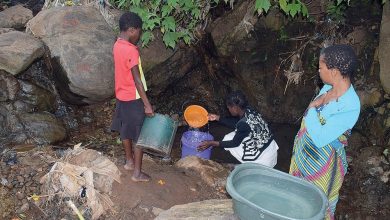
The Global Multidimensional Poverty Index 2026 Statistical Update jointly published by the UNDP and the Oxford Poverty and Human Development Initiative identifies lack of access to electricity, clean cooking fuel, safe drinking water, adequate sanitation, decent housing and essential household assets as the main factors undermining living standards.
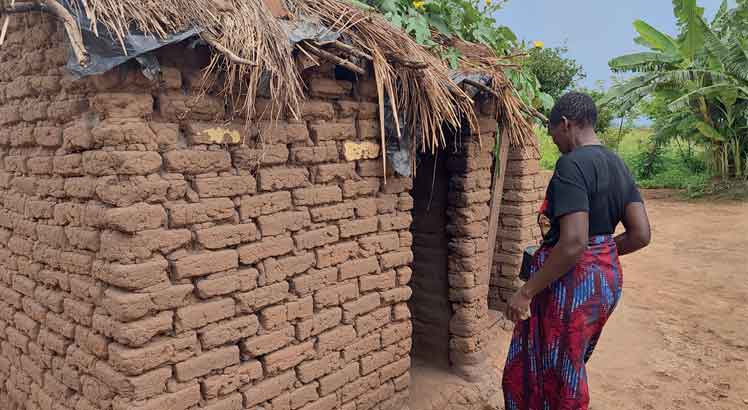
The report indicates that Malawi made significant progress during the past decade, with multidimensional poverty declining from 66.8 percent in 2010 to 49.9 percent in 2019/20. However, the trend has since stalled, with the poverty rate edging up to 50.2 percent.
As a result, the report said about 10.9 million Malawians remain trapped in multidimensional poverty and facing multiple and overlapping disadvantages that limit their well-being and economic opportunities.
The findings underscore the scale of Malawi’s development challenge, suggesting that gains in poverty reduction remain vulnerable to setbacks when access to essential services and household infrastructure fails to improve.
Reacting to the report on Wednesday, Centre for Social Concern economic governance officer Agnes Nyirongo said the findings underscore the need to improve access to essential services, particularly for disadvantaged households.
She said: “The fact that living-standard deprivations account for more than half of Malawi’s multidimensional poverty burden underscores how access to basic services remains a major challenge for millions of people.
“Without reliable electricity, safe drinking water, adequate sanitation and decent housing, households face conditions that undermine their well-being and make it harder to break out of poverty.”
In a separate interview, Scotland-based Malawian economist Velli Nyirongo said the slowdown in poverty reduction shows that previous gains remain fragile and that current interventions are not delivering sufficient improvements for a significant proportion of the population.
He said Malawi needs greater investment in rural infrastructure, electricity, water, sanitation, clean energy and affordable housing alongside job creation, improved agricultural productivity and effective social protection.
Mzuzu University economics lecturer Christopher Mbukwa said the deficiencies reinforce one another, meaning that households need better incomes and functioning public services to improve their living conditions.
He said: “Weak growth, limited job creation and economic shocks make further progress difficult.
“Building stability to unlock growth practically, poverty reduction requires reliable water systems, affordable electricity connections and clean cooking alongside better earnings.”
The UNDP findings correlate with broader human development challenges Malawi is facing, as presented in the recent UNDP’s Human Development Report, which ranked Malawi 172 out of 193 countries on the Human Development Index, with a score of 0.517, placing it in the low human development category.
UNDP also said in the Malawi Sustainable Development Goals Comprehensive Review 2026 while progress in health, water and sanitation and governance is visible, stagnation in poverty reduction, decent work, clean energy, inequality and protection of land ecosystems.