Families in Traditional Authority (T/A) Kampingo Sibande in Mzimba District have stressed the importance of saving money for businesses and farming activities.
The families have also embraced the production of Mbeya fertiliser amid the rise in prices of chemical fertilisers to boost crop production.
Ahead of the new farming season, community member Felesita Zimba and her 50-year old husband Emmanuel Chirwa Maganjira Village, T/A Kampingo Sibande in the district have already produced their Mbeya fertiliser ready for the rains to plant maize.
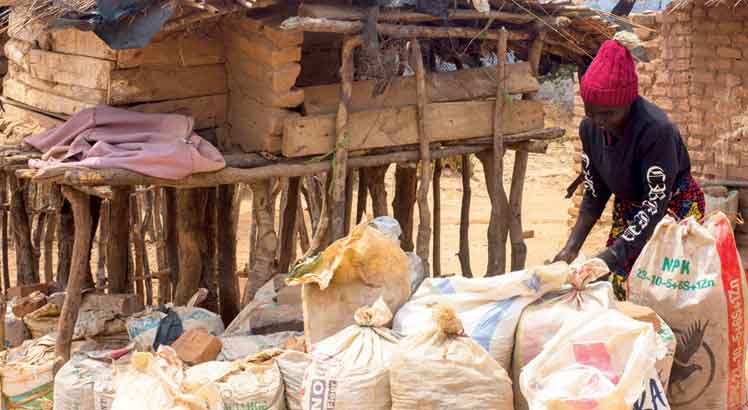
| Taonga Nyirenda
The couple, which previously struggled to harvest enough due to high cost of fertilisers, said they learned to make Mbeya fertiliser after joining the Social Cash Transfer Programme.
Said Zimba: “Life has been a daily struggle, especially facing challenges to find food.
“But when we received our first stipend, we decided to join a village savings and loans group under Samson Sibande Cluster to grow the money.”
She said after saving money for years, they bought livestock and learned how to make Mbeya fertiliser to venture into farming.
Said Chirwa: “The family had no livestock or other assets that could provide income when we faced financial difficulties.
“But we cultivated maize and bought livestock. Today, we own 11 chickens, six rabbits and eight goats. The livestock are helping the family to increase crop production as we collect manure from the animals and use it to make Mbeya fertiliser.”
He has since advised other beneficiaries of social cash transfer to join savings groups, start businesses and venture into farming to graduate from poverty.
M’mbelwa District Council Social Cash Transfer Programme officer Davie Lusale said there are 13 240 beneficiaries in Mzimba District.
“The programme has registered remarkable progress in the district, with many beneficiaries venturing into businesses and building assets,” he said.
The programme is a component of the Social Support for Resilient Livelihoods Project implemented with support from the World Bank and the Multi-Donor Trust Fund through the National Local Government Finance Committee