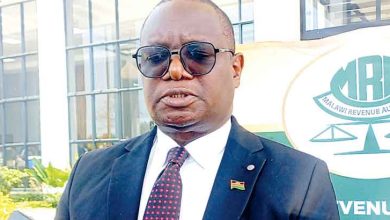
Minister of Finance, Economic Planning and Decentralisation Joseph Mwanamvekha has lamented high transaction costs and recurring economic instability for limiting trade in the 21-member Comesa trade bloc.
The minister, speaking at the Common Market for Eastern and Southern Africa (Comesa) Central Bank Governors’ Symposium in Lilongwe yesterday, said intra-regional exports account for seven percent of the bloc’s total merchandise exports in 2025.
Mwanamvekha said intra-regional exports reached $14.7 billion (about K26 trillion) against $212 billion (about K371 trillion) in exports to the rest of the world.
The figures show limited trade integration within a regional market of about 560 million people despite years of tariff liberalisation and efforts to remove barriers to trade.
“For Comesa to realise its full economic potential, we must move beyond addressing tariff and non-tariff barriers and also tackle financial and payment-related constraints that increase the cost of doing business across our region,” said Mwanamvekha.
He said ethat xpensive cross-border payments, settlement delays and incompatible financial systems continue to undermine regional trade, particularly among small businesses.
Mwanamvekha identified the Comesa Regional Payment and Settlement System and Digital Retail Payment Platform as initiatives intended to reduce transaction costs.
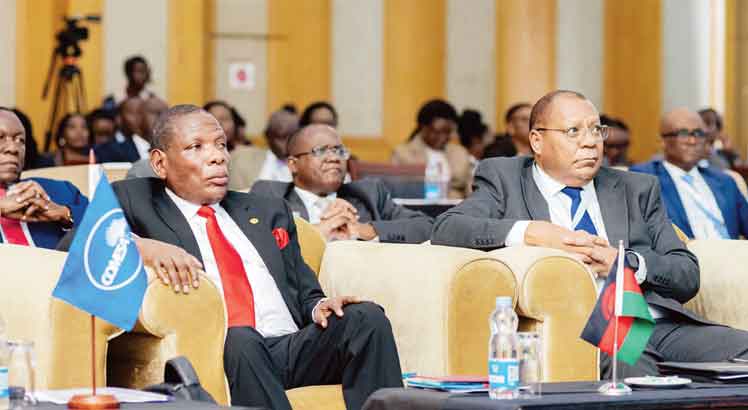
“Innovative and affordable cross-border payment systems are essential for facilitating regional trade and strengthening financial integration,” he said, adding that the initiatives are important to facilitate faster and more affordable cross-border payments in local currencies.
Reserve Bank of Malawi Governor George Partridg acknowledged persistent inefficiencies in regional payment arrangements.
He said digital payment systems continue to face high costs, delays and technological limitations, emphasising the need to modernise financial infrastructure.
Partridge, who chairs the Comesa Committee of Central Bank Governors, highlighted opportunities presented by artificial intelligence and emerging payment technologies, but cautioned against cybersecurity and other operational risks.
Comesa assistant secretary general Dev Haman echoed the concerns, saying high transaction costs and cumbersome border procedures are eroding the earnings of small-scale traders.
He cited the burden of border charges on women operating small businesses, arguing that reducing such costs can improve profitability and encourage greater participation in regional trade.
Haman also called for integrated transport infrastructure, including road and railway networks, to reduce the cost of moving goods between member States.
Beyond trade costs, Mwanamvekha warned that macroeconomic instability is undermining the region’s integration ambitions.
“Many Member States fell short of stage one targets under the Comesa macroeconomic convergency framework,” he said.
Mwanamvekha said the Joint Committee of Ministers of Finance had established a macroeconomic convergence peer-review mechanism to strengthen transparency, mutual learning and accountability.
He identified persistent fiscal deficits, high public debt-servicing costs, inflationary pressures and vulnerability to external shocks as major challenges confronting regional economies.
“Governments must, therefore, prioritise sound fiscal management, build fiscal buffers, strengthen risk management, improve public investment efficiency and diversify export markets and import sources,” said Mwanamvekha.
The minister stressed the importance of coordination between fiscal and monetary authorities to restore economic stability and create conditions for investment.
“Their respective policies must be well aligned and mutually supportive to contain inflationary pressures, ensure sustainable public debt and create an enabling environment for investment and economic growth,” he said.
The concerns are particularly relevant to Malawi where foreign exchange shortages, substantial public debt at about K23 billion and constrained fiscal space continue to undermine investment and export competitiveness.
The continued foreign exchange shortages have resulted in rolling fuel shortage and drug stock-out in public hospitals.