What was billed as relief for motorists has changed little. Nearly three months after police rolled out digital payments for traffic offences, drivers say they are still paying on the spot; only now the payment is digital.
“We are still being told to pay on the spot,” said Blantyre-based minibus driver Emmanuel Chembezi.
“In all honesty, there is no difference. “Zomba driver Jameson Chabwelera said the same: “Once you are given a ticket, you are told to pay instantly.”
Malawi Police Service (MPS) rolled out the system in all six police regions from September 1. It covers traffic offences and other police services. Police said it would offer quick, easy payments and achieve zero tolerance to corruption. But drivers expected something different.
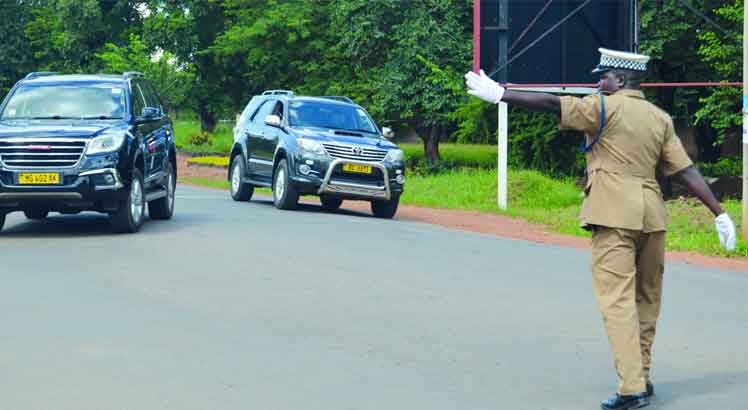
Minibus Owners Association of Malawi (Moam) general secretary Coaxley Kamange said instant digital payment simply mirrors the cash-in-hand system it was meant to replace.
“In an ideal situation, drivers should be given at least seven days to either pay or challenge the offence through proper mechanisms backed by law,” Kamange said.
“But with digital payments still being instant, drivers are still forced to pay on the spot just to continue operating.”
Kamange said owners still hope the pilot will reduce corruption, and lessons will inform the nationwide rollout.
In Lilongwe, drivers Mike Maneno and Michael Mtambo said they have never even encountered the digital system since September 1.
Centre for Social Accountability and Transparency executive director Willy Kambwandira said technology alone cannot curb corruption.
“Digital payments can reduce opportunities for bribery, improve efficiency and create an auditable trail. But technology alone will not eliminate corruption without effective oversight and firm action against offenders,” Kambwandira said.
He said government must disclose how much has been collected since September, where it goes and how it is spent.
“Collecting money digitally while leaving its utilisation shrouded in secrecy is unacceptable,” he said.
Consumers Association of Malawi executive director John Kapito said digital payments could still remove the incentive for officers to stop vehicles to solicit money and help improve police image.
“Digital payments will improve and promote transparency, which is key towards eliminating corruption,” Kapito said.
Police have not answered the key questions: How much has been collected? Who audits it? What happens if an officer still demands cash?
National Police spokesperson Gladys Chiwaula promised a response but had not responded by press time despite reminders.
Deputy spokesperson Alfred Chimthere referred Nation on Sunday to Chiwaula.
Inspector General Richard Luhanga did not respond to questions sent via WhatsApp.That silence matters. In July 2024, a University of Malawi study found corruption is a major factor in loss of trust in police. In 2022, Afrobarometer found a majority of Malawians do not trust police, with many saying officers demand bribes.
Elsewhere, systems work differently. In Zimbabwe, motorists check and pay fines online through paymyfines.co.zw, integrated with AI smart cameras.
In South Africa, motorists pay through PayCity, Fines SA and mobile transfers.
Locally, the Directorate of Road Traffic and Safety Services (DRTSS) already gives motorists 14 days to pay fines at NBS Bank, with vehicles and licences suspended in Maltis if they fail.
For now, drivers like Chembezi are left asking: if the payment is still instant and on the roadside, what has really changed?