Almost 10 months after the governments of Malawi and Israel signed an agreement for a government-to-government labour exportation deal, only 29 Malawians have been sent to Israel out of an agreed quota of 3 000.
In a written response, Minister of Labour Vitumbiko Mumba said besides the 29 sent at the end of last year, 38 more female workers are expected to “leave any time”.
With this number, the deficit stands at 2 933, raising questions on whether Lilongwe will exhaust its quota by April next year when the two-year memorandum of understanding (MoU) is expected to expire.
The MoU was signed on April 18 2024 by Israeli Minister of Foreign Affairs Israel Katz and his Malawian counterpart Nancy Tembo.
It reads in part: “The objectives of this MoU are to ensure a legal, fair and well-informed recruitment process for up to 3 000 citizens of the Republic of Malawi arriving for temporary work in Israel in the agriculture sector, according to the principles set out in this MoU.”
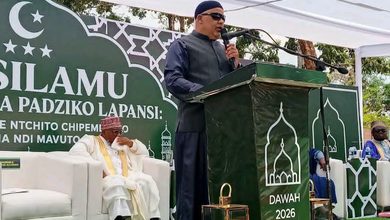
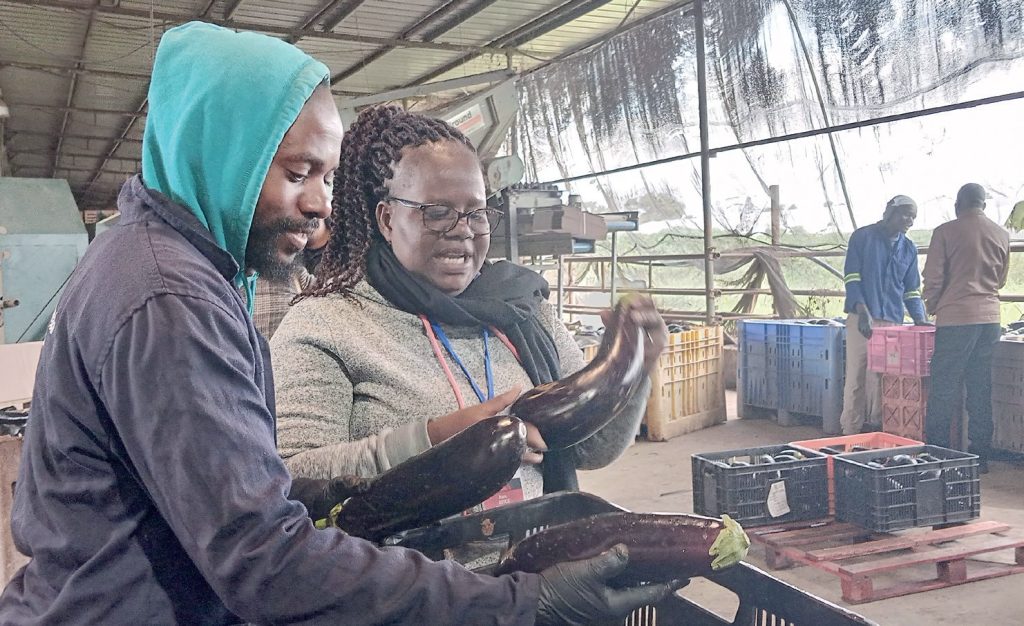
Speaking at a press conference in Lilongwe last Monday, Mumba said Israeli farmers were reluctant to recruit more Malawian workers, especially males, after half of the ones recruited earlier allegedly left designated farms to start vending while others sought asylum.
In a follow-up interview, the minister said they are yet to engage the farmers, but they are in touch with the Israeli Government and soon a meeting will take place to resolve the issue after which a public statement will be issued.
Asked what were the driving factors for Malawian workers to leave the farms, he suggested that it could be an issue of how these workers were identified.
Said Mumba: “We can’t really say what are the driving factors, but all I can say is that the recruitment process has to be in such a way that only those that can really work on the farms are recruited, not just anyone who is desperate for a job. Working on a farm is not easy.”
Under the initial arrangement, recruitment was done through private agencies but under the MoU, government through the Ministry of Labour, is expected to take the lead in the recruitment process.
In separate interviews, two Malawian workers in Israel, who did not want to be mentioned, said the driving factor for leaving the farms is the search for better remuneration.
One worker stated that they are the only remaining employees from Malawi at the farm after six others left and the employer does not want any more Malawians.
“I am here because I do not want to be in conflict with the law. I know there are better offers out there but it helps to be disciplined.
“What if they catch me and deport me? It means I am in trouble,” said the worker, who said they are much better now with threats of the war dying down.
According to the MoU, the agreement, which runs for two years, is temporary as the two governments are expected to formulate and sign a formal one and an implementation protocol that will be ratified by both parties to guide the labour export deal.