What is democracy? When did Malawians switch from one-party rule to democracy? Why? Can you name the pillars of democracy? How can elected representatives, especially members of Parliament (MPs), make democracy work?
Change agents are taking democracy to local schools, hoping to create a progressive generation unlikely to shy away from claiming their rights and holding leaders to account.
Since the dawn of democracy, Malawians have been made to believe that legislators’ role stops at buying coffins, giving handouts and spearheading community development.
The confusion of MPs’ roles went on trial recently when the High Court outlawed the lawmakers from voting in local councils and controlling Constituency Development Fund spending.
The relegation of MPs to chores best left to councillors mirrors is compounded by low awareness and give-and-take politics that prevent citizens from demanding clarity.
The rude awakening persists 32 years after Malawians elected representative democracy, rejecting founding president Kamuzu Banda’s dictatorship.
The gap echoes rising calls for the dos and don’ts of democracy to be taught in school—and not just rights, but also participation and responsibilities.
Save the Children Malawi and the Centre for Civil Society Strengthening (CCSS) have rolled out Phungu Wanga (My Member of Parliament) quiz to boost learners’ awareness and participation in democratic processes. The competition seeks to cultivate a culture of democracy among learners, enhancing their understanding of MPs’ roles and the importance of citizen participation.
“So far, the Phungu Wanga Project, which is funded by the European Union, has taken the quiz contest to 33 primary schools in Chimteka Zone in Mchinji District, Chiendausiku Zone in Balaka and Mwazisi Zone in Rumphi. The contest, which targets 11 schools in each zone, focuses on Parliament’s roles and functions,” says CCSS executive director Chimphepo George Ntaba.
The initiative comes against persistently low public participation in democratic processes, with just 62 percent of eligible voters registered to vote in the September 16 General Elections.
The citizenry also lament a raw deal from elected officials, citing low understanding of lawmaking steps and weak engagement between parliamentarians and their constituents.
“This is about taking Parliament closer to the people,” says Parliament’s civic education officer Peter Njinga.
He envisages the ripple effect transcending the classrooms and school bounds—reaching learners’ households and communities.
“We are laying the foundation for a generation that understands the values of representation, legislation and oversight. These young Malawians need information to actively participate in elections and parliamentary proceedings,” Njinga states.
The interactive quiz bowl introducew young learners to Parliament’s roles in democracy and decision-making. It also fosters critical thinking, teamwork and public speaking while empowering marginalised groups to become civic ambassadors in their communities.
Ntaba says the initiative is helping close civic literacy gaps while giving communities the tools to demand better governance.
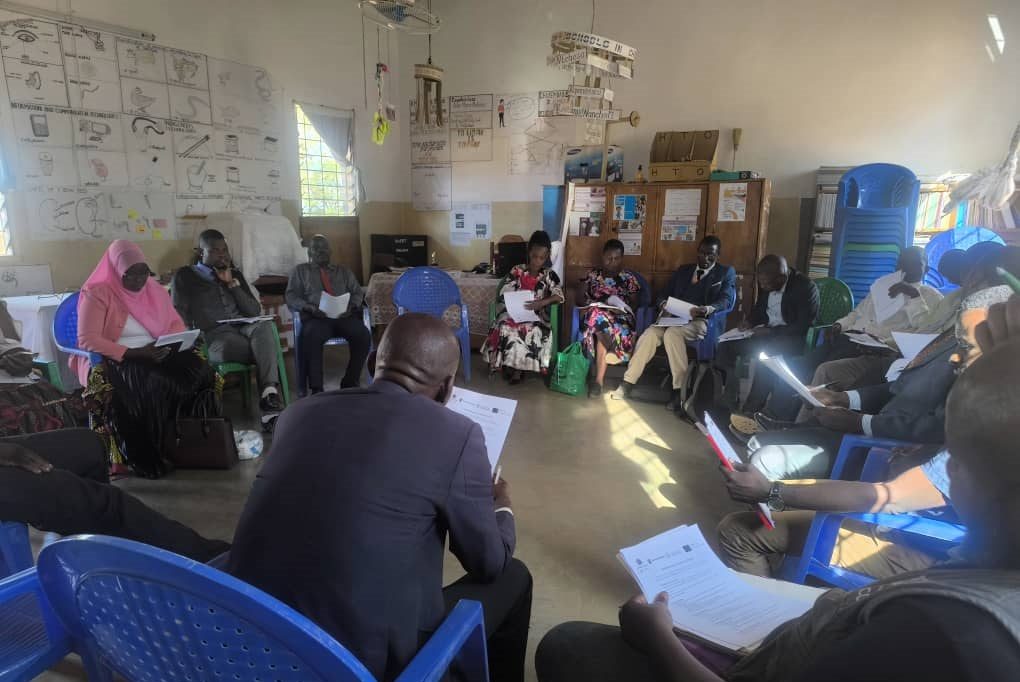
“We’re nurturing a new mindset that doesn’t just accept representation, but chooses to participate in it,” he said during a recent meeting in Rumphi.
CCSS and Save the Children have committed to entrench civic dialogue at constituency level by equipping local actors with knowledge and tools to engage their MPs and take the lead in policymaking.
Ntaba finds it shocking that after three decades of democracy, many Malawians still confuse the roles of MPs and councillors—often expecting legislators to implement local projects instead of making laws and providing checks and balances.
“The gap in public understanding is partly bred by the way MPs discharge their functions in constituency development coupled with the absence of councillors around 2010. We are unpacking the core functions of Parliament and its elected members,” he says.
Rumphi district coordinating primary education adviser Webster Mkandawire says when learners understand their place in democracy and Parliament’s role, they carry that knowledge for life.
“It also motivates teachers to integrate civic themes into classroom discussions in a more practical and engaging way,” he says.
The initiative also responds to structural weaknesses within Parliament’s outreach office and the limited opportunities available for community participation in shaping laws and public policies.
It seeks to make civic dialogue part of democratic culture at the constituency level .
With increased public awareness and trust in governance institutions, organisers hope that citizens, including school children, play an active role in demanding answers from elected representatives and shaping Malawi’s future.