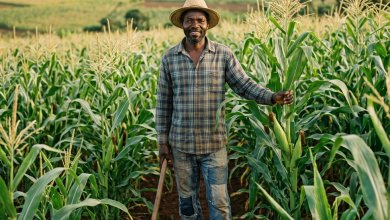
For too long, agriculture in Malawi has been viewed as a last resort — a sector for those without better options. This outdated perception has discouraged young people from exploring the tremendous potential that lies within our soils. But that is changing.
As more youth engage in agribusiness, we are witnessing an exciting transformation — in both attitude and practice.
At Alliance of a Green Revolution in Africa (AGRA) Malawi, one of our most important missions has been to help young people change their mindset towards farming. Agriculture is not just about subsistence or food security — it is an enterprise, a livelihood, and a source of wealth. When young people see agriculture as a serious business, they approach it with creativity, discipline, and ambition.
Across Malawi, inspiring examples of this shift abound. Young men and women are investing in horticulture, poultry, soybeans and groundnuts — not as side hustles, but as full-time ventures. Many have built thriving agribusinesses that allow them to buy vehicles, build homes and even fund their own education. These stories are no longer isolated. They reflect a growing realisation that agriculture can bring dignity, stability, and prosperity to Malawi’s youth.
Equally inspiring is the sense of purpose these young agripreneurs bring to their work. They understand that farming contributes directly to national food security and economic growth. When they export horticultural produce or legumes, they also help the country earn much-needed foreign exchange. Agriculture, therefore, becomes more than a personal success story it is a patriotic contribution to national development.
The just-ended African Agribusiness and Food Systems Summit offered further inspiration. It reminded us that Malawi’s youth in the potential of agriculture can only be unlocked through contextualized solutions, those grounded in our realities and responsive to the unique challenges we face. We cannot simply copy what works elsewhere; we must design solutions that reflect our environment, markets, and people.
A powerful lesson from the summit is that youth development in agriculture cannot happen in isolation. It requires deliberate collaboration among government, the private sector, financial institutions, and development partners. The private sector, in particular, plays a critical role in driving innovation and investment.
It was encouraging to see commercial banks actively participating — presenting financial products tailored for young farmers and showing a willingness to take calculated risks in supporting agribusiness ventures. Equally significant was the platform given to young people to voice the issues that matter most to them. Government representatives responded by committing to create an enabling environment — through policy reforms, infrastructure investment, and targeted youth programmes.
Beyond policy dialogue, the summit served as a hub for innovation and connection. We learned from other African countries introducing climate-smart technologies and digital platforms linking farmers to markets. These experiences provide valuable ideas we can adapt and scale locally. Yet the true value of such gatherings lies in the human connections they foster — meeting collaborators who can help transform rural livelihoods.
Another positive takeaway was the accessibility of government officials during the summit. Stakeholders often struggle to engage decision-makers once they return to their offices, but here the dialogue was open and direct. Government leaders listened, engaged, and offered practical insights — signaling a real commitment to collaborative action.
If there is one key message from this summit, it is that Malawi’s agricultural transformation will be driven by mindset, collaboration, and innovation. Changing how young people perceive farming is the foundation. Building a supportive ecosystem — through finance, policy, and partnerships — is the structure. And celebrating young people already succeeding in agribusiness is the inspiration that fuels others to follow.
Our future food security, and indeed our national prosperity, depends on whether we can empower the next generation to see farming not as a symbol of struggle, but as a space of opportunity and pride. The seeds of that change are already sprouting — and with the right nurturing, Malawi’s youth will become the driving force behind a vibrant, resilient, and inclusive agribusiness revolution. – Dr. Eluphy Nyirenda