State resources, cash handouts used to influence 2025 voters, MHRC finds

The Malawi Human Rights Commission (MHRC) says its final observation report on the 2025 General Elections exposes widespread misuse of state resources and direct cash handouts intended to influence voters.
The report also documents the exploitation of children in campaign activities and the continued marginalisation of women in politics.

According to the MHRC, government vehicles from departments including Information and the Malawi Broadcasting Corporation were deployed to support ruling party campaign meetings.
The commission further reports that chiefs, religious leaders, teachers and other civil servants were transported to State residences in Lilongwe, Blantyre and Mangochi, where each reportedly received K50 000 and a meal during the campaign period, actions the MHRC says blurred the line between public service and partisan activity.
Beyond the use of State machinery, the report records direct inducements to voters. In Salima Central West constituency, a Malawi Congress Party candidate was observed distributing bags of maize at Chilala and Sagwi.
Elsewhere, cash payments to supporters were sufficiently widespread that several electoral disputes over alleged vote‑buying are now before the courts.
The commission urges lawmakers to clarify the law by defining “handout” to prevent charitable acts from being used as cover for political largesse.
“The law needs to be reviewed to support, among others, defining the term handout to avoid ambiguity where the same political players are involved in charity activities,” the report states.
MHRC also raises alarm over the exploitation of children: photographs and videos show youngsters as young as six dressed in party regalia, reciting poems and dancing for candidates which, the report says, is evidence of inadequate safeguarding during campaigns.
The commission also highlighted the continued failure to achieve gender equality in politics, saying only one woman, former president Joyce Banda of the People’s Party, contested the presidency out of 17 candidates.
According to the report, women’s representation remained low at the parliamentary level, with only 22 percent of candidates being female.
The commission has since called for the Ministry of Information to reform the State broadcaster to operate independently from political influence. It also urges the Malawi Electoral Commission (MEC) to review laws to create a more transparent voting process, especially for persons with disabilities who require assistance.
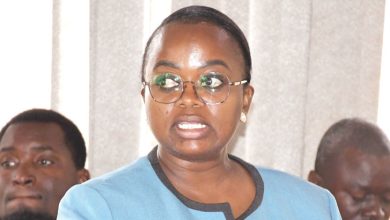
In an interview, MHRC Commissioner Teresa Ndanga said the commission also recommends that the National Registration Bureau should establish services even in hard-to-reach areas to enable people to access National Identification Cards.
On gender representation, she said: “We find that we are still not doing well around gender and we are calling on the MEC and political parties to look at laws to encourage more women to contest and win political positions.”