President Peter Mutharika has cracked the whip on public sector healthcare workers by banning them from owning, operating or holding shares in private clinics to improve service delivery.
In an Executive Order Number One of 2026, the President has given the healthcare staff 30 days to comply with the directive or risk dismissal and legal action.
The President, in a direct reaction to a joint investigative journalism report by local media houses that exposed malpractices including soliciting of payments for non-paying services in public hospitals, said he was “deeply disturbed” to learn that some healthcare workers in public health facilities were soliciting payments from patients.
Said Mutharika: “Other health personnel have been advising the patients to attend to their private clinics in order to access better medical treatment. Such conduct is unlawful, unethical and wholly unacceptable. It is an affront to the patient’s constitutional right to access health services.”
He said the order is meant to safeguard the constitutional rights of citizens and restore integrity in the health sector to ensure that no employee of a government hospital or any other public health facility solicits, demands or accepts fees or monetary favours from patients.

to be commended.
|Nation
The joint investigation by journalists from Nation Publications Limited, Times Group, Platform for Investigation Journalism, Malawi Institute of Journalism, Zodiak Broadcasting Station, Capital FM and Africa Brief, simultaneously published on Sunday, uncovered corruption in public health facilities.
The investigation, supported by the Continuing Journalism Education Project, established that some patients were forced to pay up to K260 000 to access proper medical assistance.
Meanwhile, the Parliamentary Health Committee has welcomed the Executive Order, saying it is ready to probe underlying causes behind the growing trend.
Committee chairperson Anthony Masamba said the directive is a step
towards restoring integrity and public trust in government health facilities, but stressed that enforcement alone will not resolve systemic challenges affecting the sector.
“The committee welcomes the order as an important intervention to protect patients. However, we must now investigate the root causes driving some health personnel into private practice,” he said.
In a separate interview, National Advocacy Platform chairperson Benedicto Kondowe said the order represents one of the clearest policy efforts in recent years to confront the entrenched conflict of interest at the heart of Malawi’s health system.
However, he said the reform should be managed structurally and carefully to preserve both integrity and capacity within the health system while respecting the constitutional right to economic activity under Section 29 of the Constitution that allows indiv iduals to conduct legitimate business.
Health rights activ ist Maziko Matemba said the order is protecting the law on access to public health services in Malawi which is supposed to be free and that supports government commitment to Universal Health Coverage 2030.
“The action by the President needs to be commended and should also work like a reminder to our health workers to always follow the law that prohibits them from receiving payments in public health services of which the law does not allow,” he said.
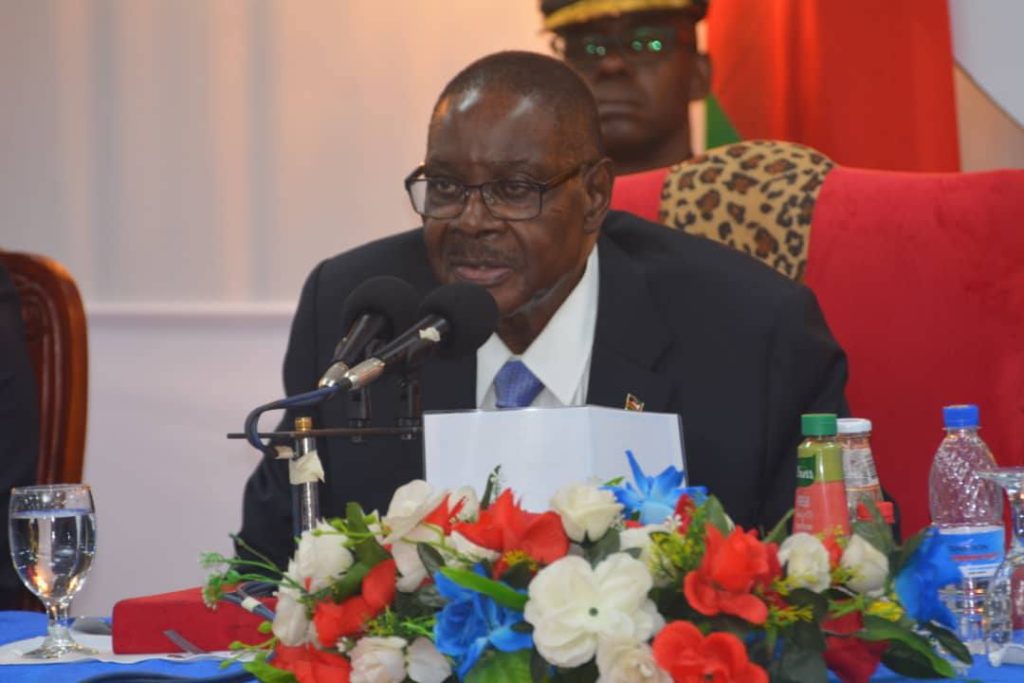
wholly unacceptable. | Nation
The Human Resource for Health Coalition has since expressed profound concern over the “persistent, devastating” impact of corruption in the health sector.
In a statement issued yesterday, the coalition’s
chairperson Solomon Chomba said such malpractices were destroying the public health system, thereby eroding public trust in public health facilities where the majority are professional and dedicated health care workers.
The investigation done by 10 journalists was conducted in several districts across the country as well as Kamuzu Central Hospital in Lilongwe and Queen Elizabeth Central Hospital in Blantyre, the country’s two biggest referral hospitals.