Malawi is set for a major fuel supply boost by next week, as at least 243 tankers are dispatched to ease the chronic shortages that have gripped the nation.
The breakthrough follows government’s success in securing foreign exchange and settling outstanding debts with international fuel suppliers.
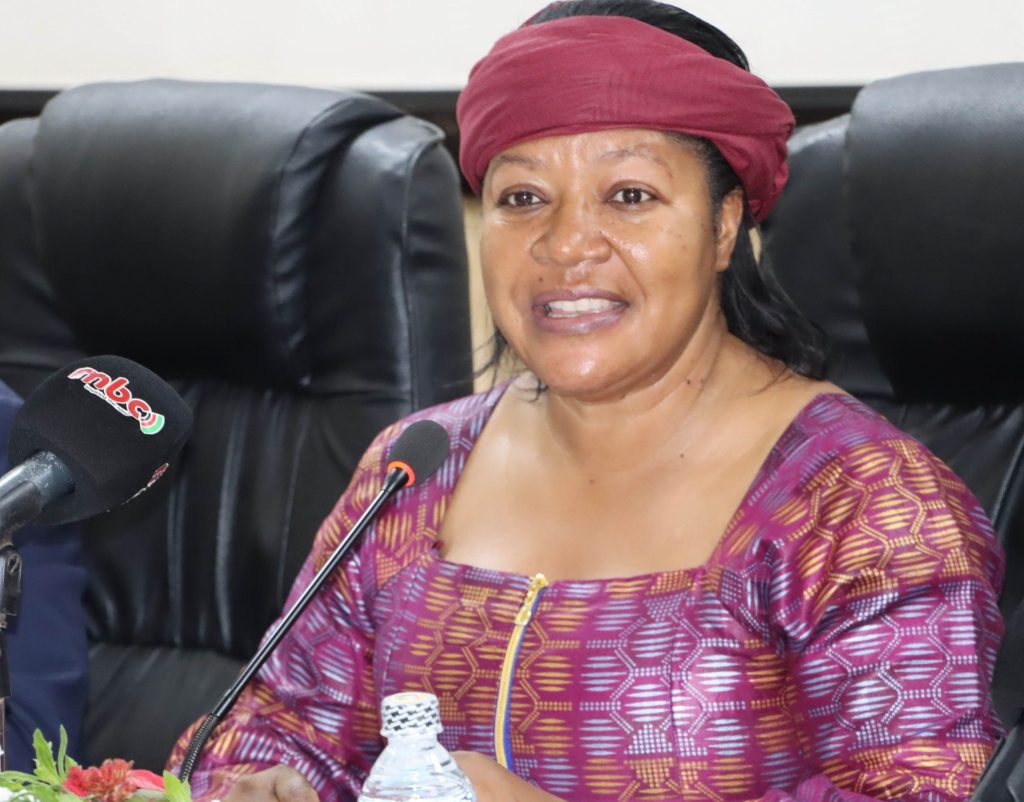
This update was provided yesterday during a joint media briefing in Blantyre by Minister of Energy and Mining Jean Mathanga, Minister of Information and Communication Technology Shadric Namalomba, and officials from the Malawi Energy Regulatory Authority (Mera).
Mathanga assured the public that the government is firmly in control, executing coordinated measures to restore stability.
She noted that as of Wednesday, 143 tankers were already in transit, with an additional 100 trucks loaded and awaiting dispatch.
“The figure may rise as loading continues,” Mathanga said, further assuring Malawians that government is taking decisive action at all levels to ensure fuel security.
The ministers were in Blantyre to update the nation on the status of fuel, electricity, and mining.
Mathanga explained that the consignments were released after the government finalised new payment arrangements with commercial banks, in coordination with the Reserve Bank of Malawi.
While she expressed confidence that fuel availability would significantly improve by Tuesday, Mathanga declined to disclose the specific amount of debt cleared or the exact volume of fuel the 243 trucks will bring into the country.
Addressing mounting pricing concerns, Mathanga defended fuel levies as vital for funding critical sectors, including road maintenance and electricity generation.
“Those levies are integrated into the pricing structure for a reason. We must ask ourselves whether we are prepared to sacrifice road maintenance and power generation in exchange for cheaper fuel,” she argued.
While acknowledging that rising costs are burdening citizens, Mathanga urged patience, expressing confidence that ongoing interventions will stabilise the market and restore normal supply by next week.
The defence follows a sharp price hike effective April 1, where the Mera raised petrol to K6 672 per litre and diesel to K6 687—an approximate 34 percent increase. The regulator cited rising Free on Board (FOB) costs and global transit expenses as the primary drivers.
The adjustment has sparked a backlash from civil society organisations, opposition parties, and economists. Stakeholders are calling for a comprehensive review of the fuel price build-up, including the temporary suspension of certain levies to provide immediate relief.
However, government has remained firm, insisting the funds are essential for infrastructure, expanding electricity access, and settling arrears owed to fuel suppliers.
The shortage has caused long queues at petrol and diesel stations, increased transportation costs, and triggered demands for urgent government action.
Consumers Association of Malawi executive director John Kapito countered that citizens are tired of rhetoric and demand decisive action to end persistent fuel queues.
“It is not about promises. It is about long-term measures that permanently resolve this crisis. If they say 243 tankers are on the way, what happens after that?” Kapito queried.
He emphasised that authorities should focus on sustainable supply chains rather than touting incoming consignments that offer only temporary relief.
Joining the chorus of dissent, the Centre for Democracy and Economic Development Initiatives Sylvester Namiwa expressed deep concern over government’s reluctance to suspend levies, noting that citizens are struggling to grapple with the soaring cost of living.