World Vision Malawi has called for legislation that would prioritise school feeding programmes in national budgets to help end hunger in schools.
Speaking during a cocktail engagement with private sector players in Lilongwe on Thursday evening, WVM country director Francis Dube said government should eventually take full responsibility for financing school meals through laws that institutionalise the programme.
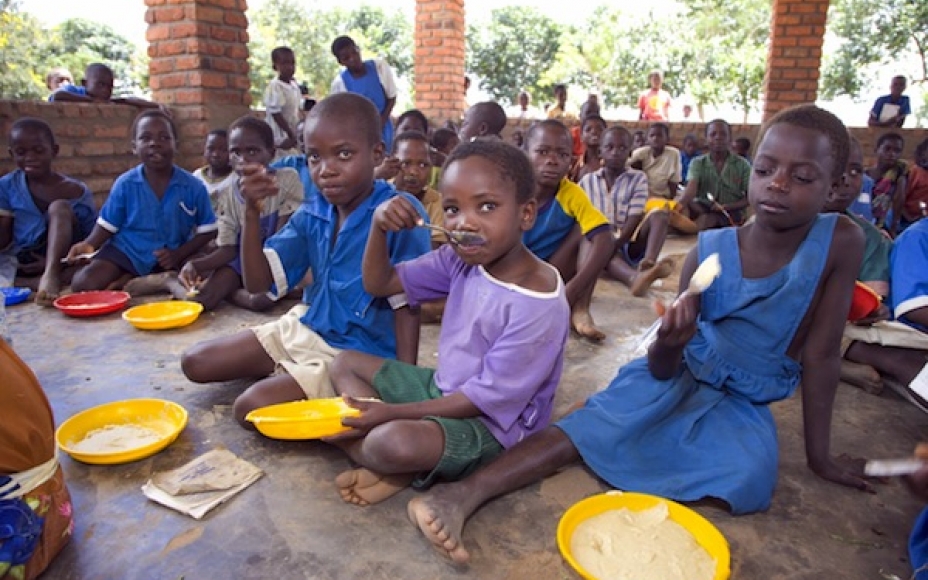
“We want the government to stand and take that responsibility and be able to supply all public schools. But before it gets there, we are saying let’s come together and help the government move in that direction,” he said.
Dube urged companies to support a national target of ensuring that every child in public schools has access to at least one meal a day by 2030.
Currently, only about 44 percent of schools in Malawi provide meals to learners, mainly through support from government, donors and non-governmental organisations.
According to Dube, school meals help improve attendance, retention and children’s nutrition.
“It is a motivation for children to go to school. The meal keeps the child in school and in class. It also supports the nutritional status of children,” he said.
He said the country would require about K400 billion to support feeding programmes in more than 5 000 public schools once nationwide coverage is achieved.
The appeal comes as World Vision scales up its Enough Campaign, launched in September 2024 to tackle child hunger, malnutrition and poor early childhood development.
According to the organisation’s 2025 Education Annual Impact Report, the programme supported 1 272 community-based childcare centres and reached 56 414 children with early learning opportunities this year.
Meals were provided in 1 060 childcare centres while 1 428 caregivers received training in early learning and childcare delivery.
Meanwhile, SeedCo Malawi has pledged 30 metric tonnes of mixed beans towards school feeding efforts, while other firms are finalising commitments with World Vision.
Steecon Limited business development manager Precious Matipwiri described the initiative as an investment in Malawi’s future workforce.
“If we don’t help in these issues, we might end up having no workers or skilled labourers. So, we really need to invest in children’s education,” he said.