Ministry of Health and Sanitation says it is on high alert, monitoring the new Ebola outbreak and is prepared to respond in case of any infections entering the country.
The ministry’s head of health promotion Mavuto Thomas said Malawi has already reviewed its Ebola response plan following the World Health Organisation (WHO) declaration of the Ebola outbreak in Democratic Republic of Congo (DRC) and Uganda as “a public health emergency of international concern”.
“The ministry has activated all key response pillars, including surveillance, case management, infection prevention, coordination and logistical preparedness,” he said.
Thomas further said authorities have intensified screening of travellers entering the country and strengthened surveillance systems nationwide.
“As a country we are in a global village. Travel is not restricted at the moment, that is why we have intensified screening and surveillance of travellers,” he said.
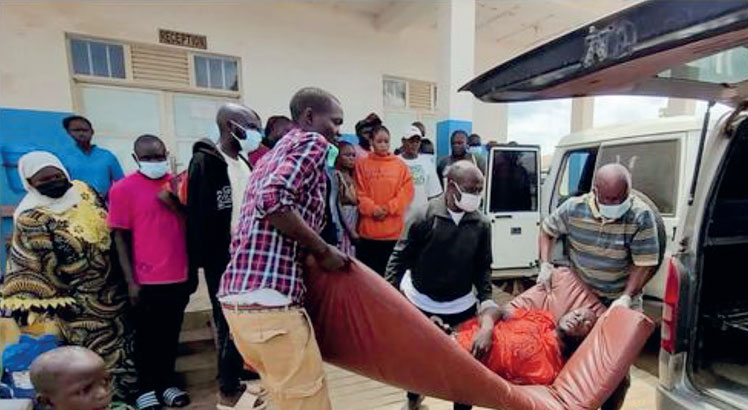
Thomas said the ministry is also preparing for the prepositioning of medical and response supplies across the country in anticipation of possible cases.
He further said Malawi already has standard operating procedures that guide health authorities on the actions to take at different stages of an outbreak response.
At least 131 Ebola deaths have been reported in the Democratic Republic of Congo’s north-eastern province of Ituri with more than 500 cases suspected while one death and one case has been confirmed in Uganda, according to the BBC.
Malawi University of Science and Technology associate professor and medical virologist Gama Bandawe said the country has previously tested emergency response systems during past Ebola scares despite never recording a confirmed case.
He said response teams, isolation centres and rapid reporting mechanisms should remain ready for activation.
“So we have to be vigilant by ensuring that health security personnel at ports of entry are aware of the risks and that they are able to report suspected cases as quickly as possible,” said Bandawe.
But Kamuzu College of Health Sciences epidemiology Professor Adamson Muula said the threat for Malawi is minimal.
He noted that DRC and Uganda have had Ebola outbreaks in the past, but Malawi has always been spared.
However, Muula warned that the country should not be complacent and need to put in place plans to respond to the outbreak.
Malawi currently has direct flights to Uganda.
The Ebola strain currently affecting DRC and Uganda is caused by the Bundibugyo virus for which there is no vaccine.
According to WHO, early symptoms include fever, fatigue, muscle pain, headache and sore throat which complicate clinical diagnosis and can delay detection.
The virus spreads through direct contact with bodily fluids of infected people.
The Ministry of Health advises the public to wash hands regularly, avoid eating bush meat, and not to touch an infected person of their body fluids.