Malawi is expected to push for stronger regional cooperation on fertiliser systems, seed harmonisation and agricultural trade when Southern African ministers responsible for agriculture, food security, fisheries and aquaculture meet in Victoria Falls, Zimbabwe, later this month.
The Southern African Development Community (Sadc) meeting comes as Malawi battles rising fertiliser costs, climate-related crop losses and growing pressure on foreign exchange reserves linked to food and agricultural imports.
The meeting will review regional rainfall performance, food production outlooks, fertiliser regulation, seed harmonisation and strategies aimed at strengthening agricultural resilience and the blue economy across Southern Africa.
As of Wednesday, the Ministry of Agriculture had not responded to a questionnaire outlining Malawi’s priorities for the meeting.
However, Ministry of Trade and Industry spokesperson Patrick Botha said regional harmonisation of agricultural systems could lower trade costs and improve efficiency across the region.
“Regional harmonisation of seed systems, fertiliser regulations and agricultural standards ensures mutual recognition of systems regardless in various countries who are signatories of the agreements,” said Botha.
“In this regard, it minimises the time and cost of subjecting the product to a standard in the other countries. This facilitates trade as a result,” he added.
Botha said Malawi is prioritising value-addition and import substitution to reduce pressure on foreign exchange reserves while promoting diversified exports.
The discussions come at a time economists and agricultural experts are increasingly questioning whether Malawi’s subsidy-driven and maize-centred agricultural model remains sustainable amid worsening climate shocks and rising import dependence.
Mwapata Institute executive director William Chadza said regional coordination could realistically lower production costs and improve food system resilience for Malawi.
“Malawi, just like many Sadc countries, is heavily-dependent on fertiliser imports,” said Chadza.
He said regional collaboration in fertiliser procurement could reduce costs through bulk purchasing, stronger bargaining power and shared logistics corridors through Mozambique and Tanzania.
Chadza, however, said Malawi’s continued dependence on maize subsidies reflects deeper structural realities rather than policy failure alone.
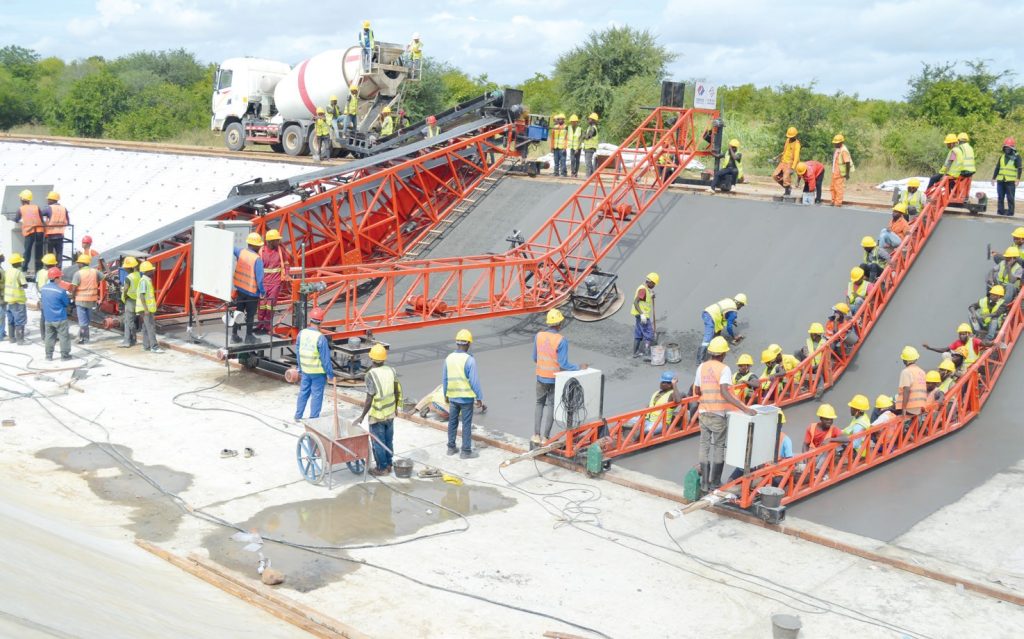
Although subsidies still account for nearly half of agricultural spending, Chadza said government has gradually increased investments towards irrigation, diversification and commercialisation through projects such as the Shire Valley Transformation Programme and the Agricultural Commercialisation Project.
The regional discussions come shortly after Sadc emerged as Africa’s top-performing Regional Economic Community in the latest Comprehensive Africa Agriculture Development Programme Biennial Review, scoring 5.77 out of 10.
Malawi was among the countries that scored above the continental benchmark.
Analysts say the Victoria Falls meeting could test whether regional agricultural coordination can translate into practical relief for countries such as Malawi, where food security increasingly intersects with fiscal stability, import dependence and foreign exchange pressures.