Minister of Homeland Security Peter Mukhito has called for stronger regional cooperation to combat transnational crime, warning that southern Africa’s growing security threats require a coordinated response beyond national borders.
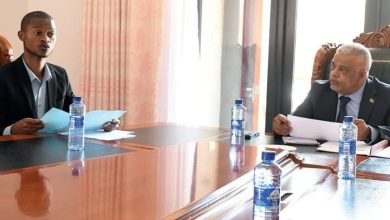
Opening the Sadc Public Security Subcommittee hybrid meeting on Wednesday in Lilongwe, the minister said rising irregular migration, refugee movements, wildlife trafficking and cross-border crime demand harmonised laws and joint action among member States.

Mukhito, a former police chief, said southern Africa has become a major destination for refugees, making it essential for countries to adopt common legal frameworks for managing displacement and protecting vulnerable populations.
“Southern Africa is a destination of so many refugees and to govern these refugees, we need to come up with jointly formulated laws so that we protect and attend to these refugees with one voice,” he said.
Mukhito also warned that poaching and illegal wildlife trade continue to threaten the region’s biodiversity, urging member States to strengthen policies protecting wildlife and dismantle criminal networks targeting species such as pangolins.
Commenting on migration, he said Sadc should simplify legitimate cross-border travel while tightening safeguards against abuse of regional movement arrangements.
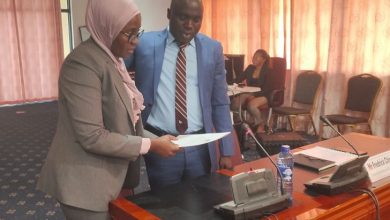
Sadc Secretariat senior officer for public security Kealeboga Moruti said the three-day meeting is focusing on migration, refugees and asylum, and wildlife crime, with member states reviewing progress and strengthening regional coordination.
She said discussions will centre on implementing the Sadc Protocol on the Facilitation of Movement of Persons to promote safe, regular and orderly migration, while aligning national policies with regional and international commitments.
Earlier, Sadc Organ on Politics, Defence and Security Affairs director Professor Kula Ishmael Theletsane said economic pressures, climate change, disasters and demographic shifts are driving increasingly complex migration patterns across the region.