August 6, 2026
When we were young, Dr Hastings Kamuzu Banda was an enigma. I have said it before and I will say it again: I genuinely believed the man was omnipresent and omniscient.
That illusion shattered the day we saw photographs of him stumbling and falling.
Only then did we appreciate a simple truth: life catches up with everyone, whether they live behind the gates of State House or within the four walls of my little shack in Mbayani.
Why do I bring this up?
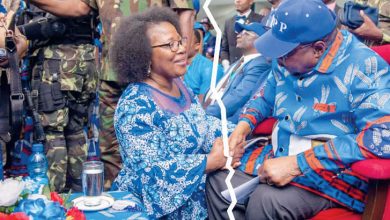
Because activist Silvester Namiwa is answering treason charges for claiming Vice-President Jane Ansah could be at the helm within two months.
I have never known Namiwa to be a prophet, nor am I obliged to believe a word he says.
Yet throughout this week, social media and mainstream media have been awash with conflicting reports about President Peter Mutharika’s whereabouts. The contradictions have been breathtaking.
His repeated private visits to South Africa have reignited debate about transparency, accountability and the health of leadership in Africa’s fragile democracies.
What should have been a routine disclosure has instead become a political storm, fuelled by contradictory statements from government spokespeople about the President’s location and condition.
If there is one lesson from this week’s confusion, it is that Malawians deserve access to information.
The President has declared that he intends to unite the nation and serve until the end of his mandate in 2030. Fair enough. But why should repeated private visits to South Africa remain wrapped in secrecy?
The real issue is not where a president chooses to spend his private time, even in a country battling periodic xenophobic tensions. The issue is whether citizens can trust the information coming from their own government.
The communication gaps are glaring.
They only deepen public mistrust, especially against the backdrop of widely reported power struggles within the DPP—the very party President Mutharika says he intends to hand power to in 2030.
Speculation has never served any country well.
Nigeria learnt that during Umaru Yar’Adua’s prolonged illness. Zambia experienced the same uncertainty during Levy Mwanawasa’s final months in office.
African leaders must stop pretending they are superhuman. Concealing illness or prolonged absence for fear of appearing weak usually achieves the opposite. It breeds rumours, instability and distrust.
That is why even reputable media houses have found themselves deleting stories, retracting reports and apologising after official information proved unreliable or incomplete.
Secrecy around the presidency protects no one except those who exploit the information vacuum.
As I sign off, Dear Diary, I still remember Cabinet ministers being called to account over the secrecy surrounding the final illness of President Bingu wa Mutharika.
Someone, somewhere, is benefiting from this fog of silence that breeds misinformation and disinformation. One day, that clique should answer not merely to politics, but to the nation they have misled.