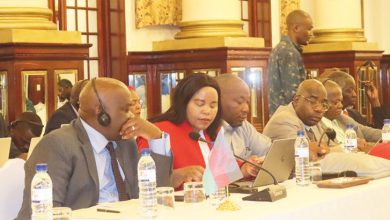
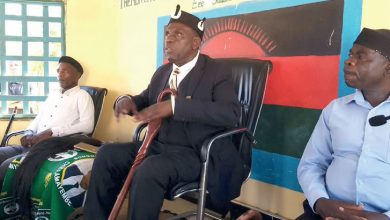
Speaker of the National Assembly Sameer Suleman and Parliament have filed their defences and will face concerned citizen Austin Mkoka in court today over the legality of 12 joint committees to probe public sector governance lapses.
Private-practice lawyer Bright Theu confirmed in an interview yesterday that the Speaker and Parliament have engaged him as first and second defendant, respectively.
“I have been approached to represent the two defendants, the Speaker as an office of the National Assembly and the Parliament of Malawi,” he said.
Mkoka’s lawyer Noel Supedi said in a separate interview that the court set October 8 2026 as the date for hearing the judicial review on the Speaker’s announcement that stirred debate, including a backlash from Suleman’s own party, the Democratic Progressive Party (DPP) where he serves as national organising secretary.
Malawi Law Society (MLS) has joined the case as friends of the court.
High Court of Malawi Judge Allan Hans Muhome is scheduled to hear the judicial review.
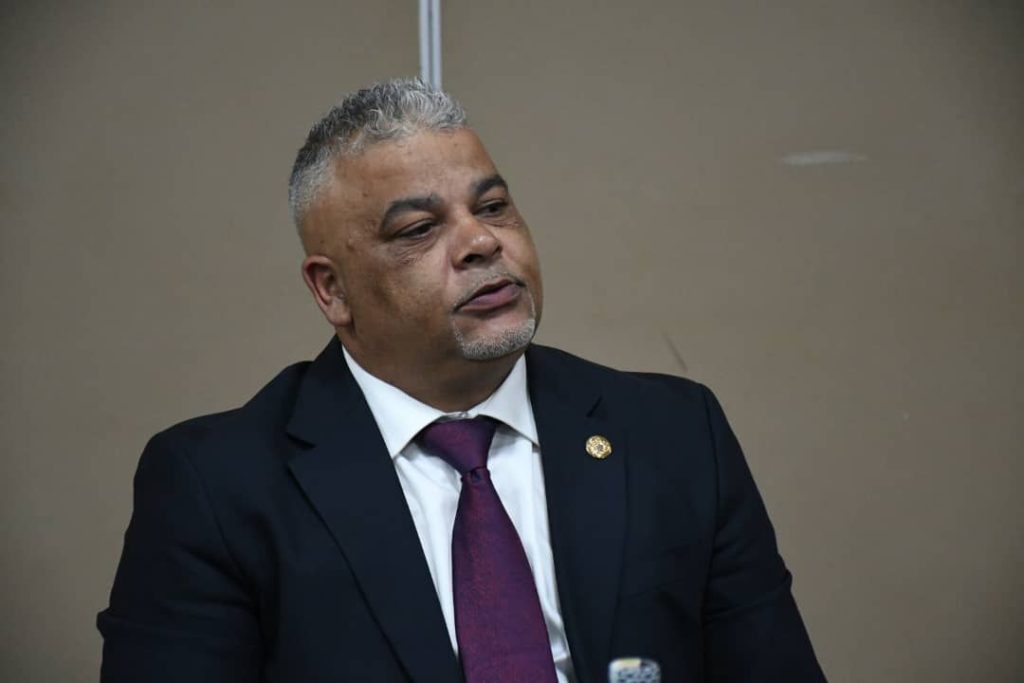
In the case, Mkoka filed an urgent judicial review application against Suleman and Parliament, asking the court to determine whether the Legislature has constitutional authority to establish the committees and conduct investigations.
He also obtained the injunction that stopped investigations into the operations of some government ministries, departments and agencies (MDAs) until the court rules on their legality.
MLS president Davis Njobvu confirmed in a WhatsApp response yesterday that they have officially joined the case as a friend of the court.
He said MLS wants to provide guidance on the powers vested in the Speaker and the diverse parliamentary committees as well as ensure that accountability is sustained.
“We have filed documents to guide the court on among others, issues to do with standing or locus standi and also the oversight powers of the Speaker and the various committees of the National Assembly in line with the important principle of separation of powers to ensure that there is transparency, accountability and checks and balances,” said Njobvu.
In a statement dated September 10 2026, Chief Secretary to the Government Justin Saidi said that while the Executive arm of government respects the doctrine of separation of powers, the authority to establish parliamentary committees rests with Parliament and cannot be exercised unilaterally by the Speaker.
He said: “Whilst government fully appreciates the oversight function of the National Assembly, members of the public may wish to know that under Section 56(6) of the Constitution of the Republic of Malawi, the power to establish parliamentary committees is vested in Parliament.
“Under Section 49(1) of the Constitution, Parliament consists of the National Assembly and the President as Head of State. Therefore, the Speaker alone or the National Assembly cannot unilaterally constitute ad hoc parliamentary committees.”
DPP secretary general Peter Mukhito also questioned the legality of the committees.
In an earlier interview, private-practice lawyer-cum-activist Benedicto Kondowe said the Constitution deliberately separates governance and oversight.
President Peter Mutharika and the Speaker met in Lilongwe in the heat of the tensions over Parliament’s constitutional oversight role, but finer details of the engagement remain under wraps.
In a statement, Parliament only said the President and the Speaker held “very cordial discussion” and reaffirmed their respect for the separation of powers among the three arms of government, namely the Executive, the Legislature and the Judiciary.
The tensions followed the Speaker’s announcement to investigate alleged governance concerns through joint committees. The issues set for probe involved Department of Immigration and Citizenship Services, Electricity Supply Corporation of Malawi, Electricity Generation Company, Power Market Limited, Blantyre Water Board and National Oil Company of Malawi, among other government institutions.
The other concerns include alleged preferential treatment of international transporters in fuel transportation and delays in pension payments, among others.
Section 56(6) of the Constitution empowers Parliament to establish committees, including joint committees, to perform its oversight functions.