A week before finishing her first term at Rumphi Teacher Training College (TTC), Chisomo Kalua Matchere, 23, learned that she had qualified for a university bursary.
“The news reopened a door that appeared permanently shut,” she says.
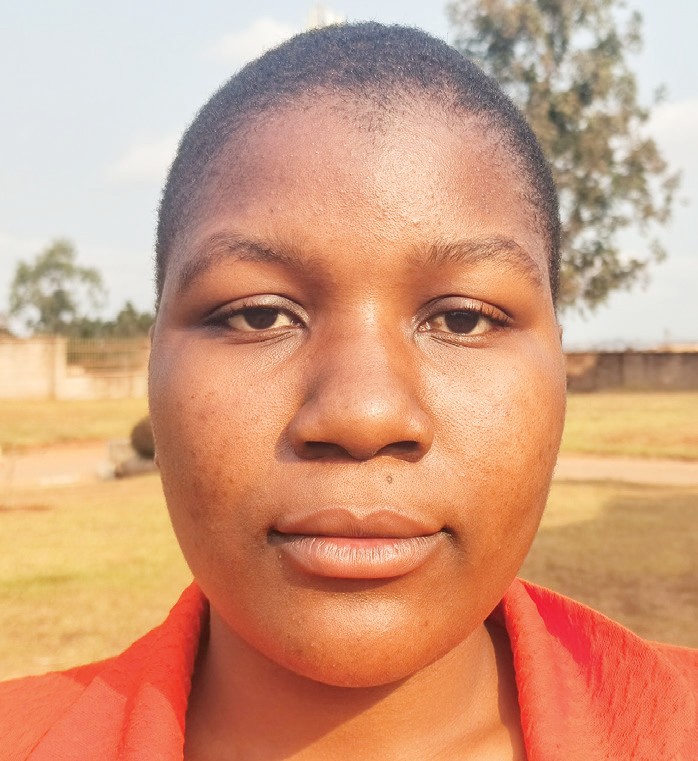
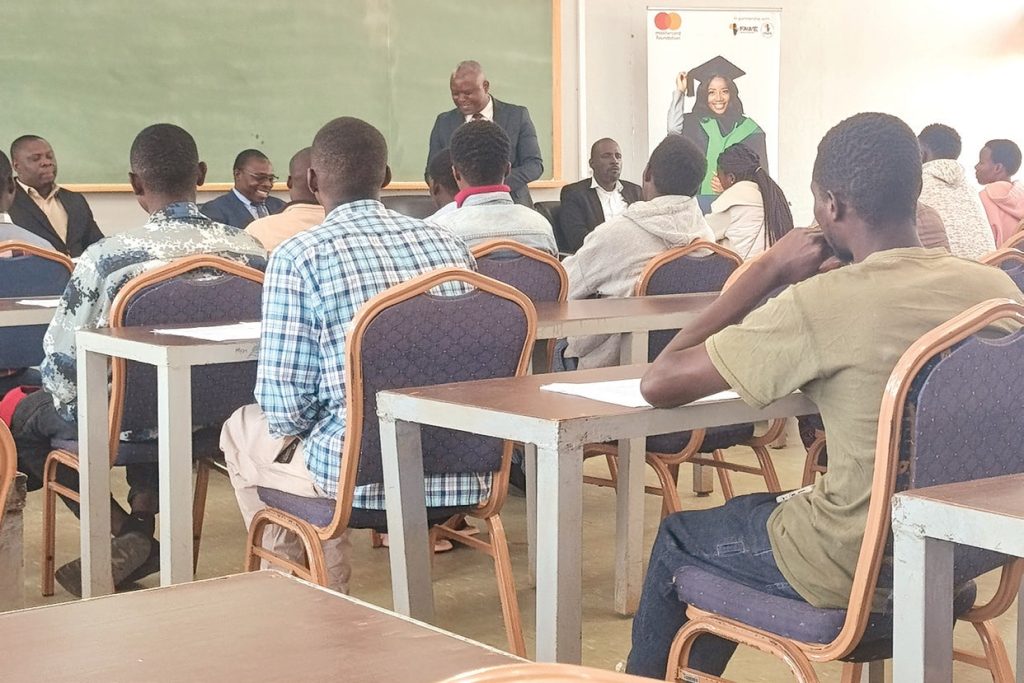
Matchere and 61 others are learning at Mzuzu University (Mzuni) to bridge her way into the first year next month. The lessons from August 3 to September 25 this year will usher excellent students into the university’s cohort selected by the National Council for Higher Education.
It is a second chance that Matchere has fought hard to get since 2022 when a mental health breakdown forced her to quit the Malawi University of Science and Technology (Must) within months.
The tragedy left her suicidal and admitted to Zomba Mental Central Hospital. She also attended rehabilitation at St John of God in Mzuzu.
After overcoming, the girl, who scored 12 points in the Malawi School Certificate of Education examinations , enrolled with the TTC in the district where she was born to poor parents with low education.
Matchere’s early education at Wukani Education Facility in Mzuzu was sponsored by a European benefactor until she was selected to Mzuzu Government Secondary School.
Her future appeared bleak when mental distress forced her out of Must.
“My concerned parents wanted me transferred to Mzuni so I could learn closer to home. Must approved the request, but Mzuni said there was no space,” she recalls.
Her mother later enrolled her into a nursing programme at St John of God, but Matchere quit midway.
Worsening mental stress forced the student to take a drug overdose.
“I decided to end my life, but my roommate found me unresponsive and called my parents, who saved me,” she recalls.
Matchere returned to Rumphi in 2023, a decision which helped her “appreciate life more”.
“While in Rumphi, a former teacher helped me apply for a Forum for African Women Educationalists in Malawi [Fawema] bursary with a recommendation letter from the district social welfare office,” she says.
Matchere was selected to Rumphi TTC to remain close to her mother.
During the first term, a team from Fawema visited her home to assess her situation.
“They took pictures and asked me several questions, like my parents’ income and our daily life,” she says.
Fawema verified every applicant’s MSCE results and eligibility to ensure the bursary reaches young people who cannot afford tertiary education.
Then came the news that she was selected for the $22 million (about K38 billion) bursary programme funded by the MasterCard Foundation.
The Second Chance Pathways Project supports 750 young students of science, technology, engineering and mathematics (Stem) courses at Mzuni, Must, the University of Livingstonia, Lilongwe University of Agriculture and Natural Resources and the University of Malawi.
“Women account for 80 percent of the beneficiaries of the scholarships which cover tuition, accommodation, meals, allowances, computers, counselling and mentorship until 2030,” says Fawema executive director Wesley Chabwera.
He told the bridging students to work hard and “pass with flying colours to enter generic university programmes”.
“The bursary will continue supporting you until you complete your studies,” said Chabwera.
Mzuni Deputy Vice-Chancellor Simeon Gwayi says the public university will do its best to help the needy students excel in their studies and help transform Malawi into an inclusive, industrialised upper-middle-income economy by 2063.
The Malawi 2063 long-term agenda promotes science, technology and innovation as drivers of development.
However, the Ministry of Education, Science and Technology traced nearly 18 000 graduates in 2022 and found that only 2.5 percent specialised in science, technology and innovation.
The tracer study shows that just 8.8 percent had advanced ICT skills while 30.1 percent were in Stem fields. The remaining 58.6 graduated in humanities, arts and social sciences.
Chabwera states: “Most bursary recipients are gifted, but circumstances have disadvantaged them.
“Many attended community day secondary schools where they had limited access to laboratories, qualified teachers and learning materials.”
The scholarship programme targets 1 350 marginalised young women and men to access tertiary education through bridging, technical, entrepreneurial and vocational education and training (Tevet) and health sciences programmes.
Matchere is determined not to quit again.
“I’m in better spirits now,” she says with a smile. “Life is full of challenges but I’ve learnt never to give up.”