The Ministry of Education, Science and Technology in March this year replaced mattresses at Nsanje Secondary School, but students wonder when beds will arrive. Our Staff Reporter JAMES CHAVULA reports:
When you arrive at Nsanje Secondary School, evergreen trees that shield learners and teachers from scorching sunshine pop into view.
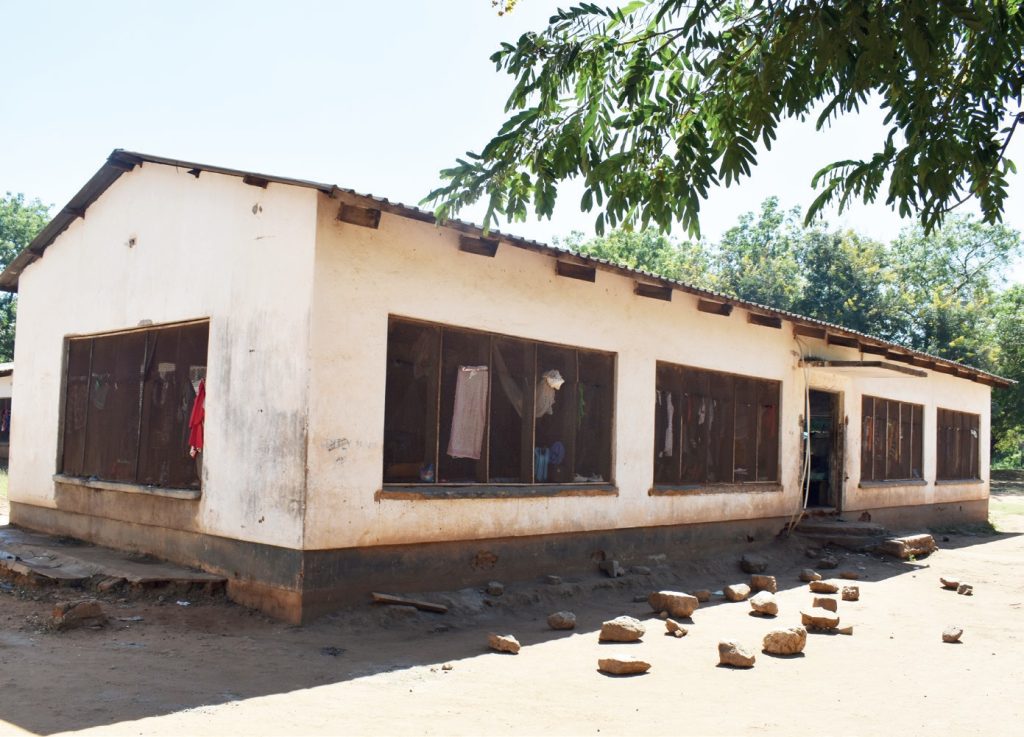
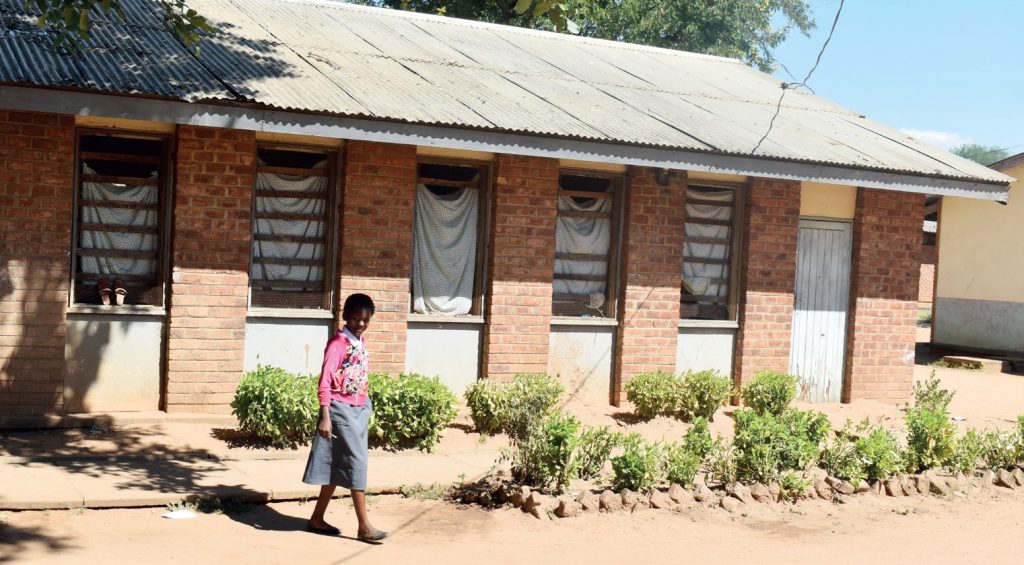
The roadside woodlot also conceal two battered buildings with mesh wire in the windows.
For visitors, the pair could pass for poultry or livestock housing.
However, these are dormitories where students at the school sleep, unwind and study.
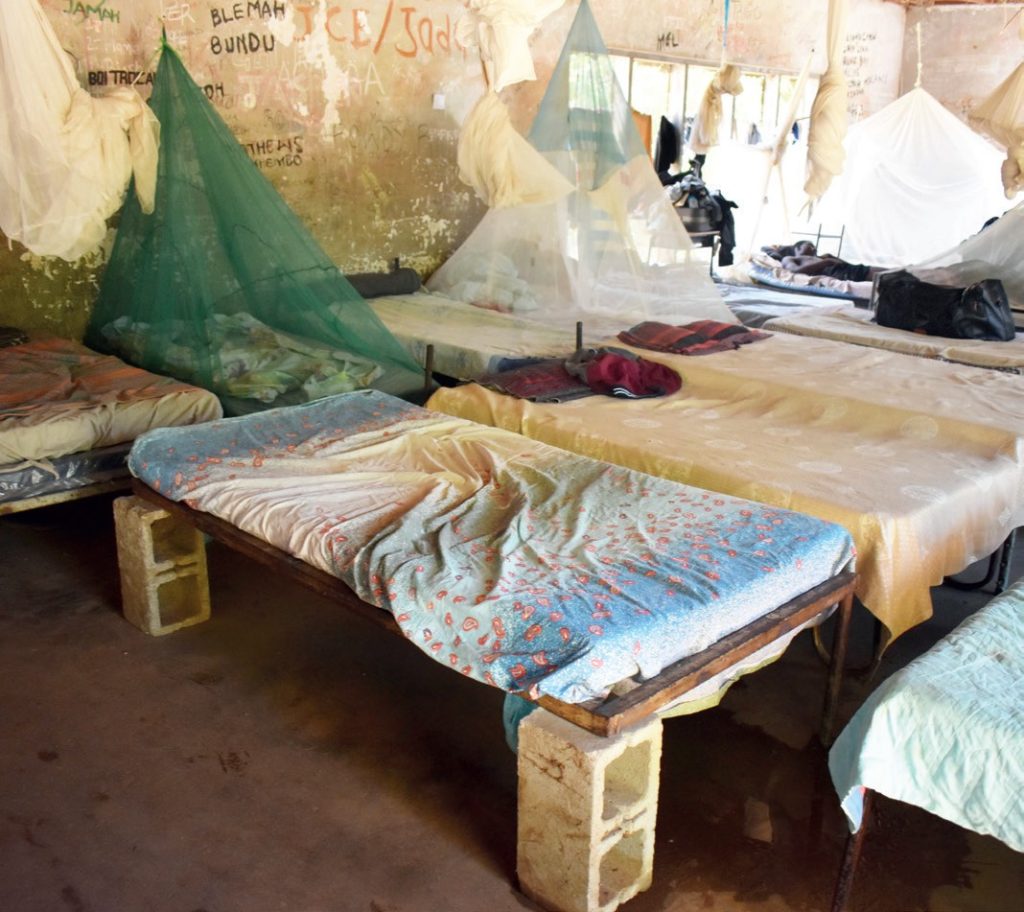
“Not long ago, you’d have found the windows wide open and students sleeping on rotten mattresses if not on dusty floors,” says Form Four student Thomas Dinyero.
The head prefect thanks the Ministry of Education, Science and Technology for swiftly providing 262 mattresses following social media uproar in March.
Nsanje South West lawmaker Walter Nyamilandu (Democratic Progressive Party), who exposed the students’ hardship online, said the new mattresses illustrate the importance of responsive governance to improve learners’ experience in constrained schools.
“The mattresses show that government is interested to bail out Nsanje Secondary School from its challenges,” he states.
The mattresses have lifted students in congested hostels off the dusty floors.
However, the learners want authorities to match the cushions with beds for improved accommodation.
The school, opened in 1964 when Malawi attained independence from Britain, enrols 240 boys and 80 girls.
“We have 320 students, but 262 mattresses and just about 100 beds,” says Nsanje Secondary Schools board of directors member George Bissent. “The new mattresses have improved hostel conditions, but the students are not reaping the full benefits due to a shortage of beds. Most of them are broken.”
Nsanje District Council recently fixed scores of beds to decongest the hostels marred by blocked toilets abandoned in disuse.

The bed crisis has seen some students use cement blocks to create “beds” and others stack mattresses and sleep side by side to rise above dusty floors.
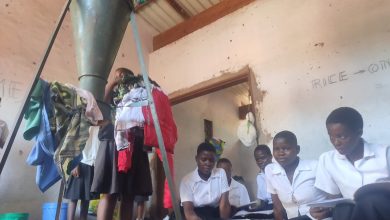
On the other side, the lone girls’ hostel hosts 40 girls, with 40 others—mostly Form Twos and Threes—occupying what used to be a biology laboratory at the expense of the teaching and learning of science.
“The new mattresses have reduced our suffering. I used to sleep on a rotten mattress acquired decades before I was born 17 years ago. I thank authorities for sending new ones, but beds remain few,” says Form Three girl Idah Somanje.
She was speaking outside her 40-bed hostel.
“Most beds are old and broken,” says Idah.
She also decried privacy and safety breaches.
“The windows are shattered and boys regularly harass us and steal our belongings. Improved security, plus additional beds, will make our lives better,” she says.
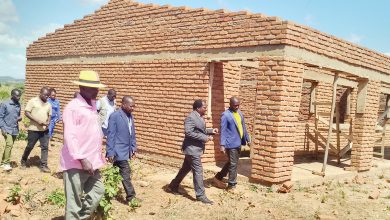
Government is constructing a 112-bed girl’s hostel at theschool under the Improving Secondary Education in Malawi project, funded by the European Union.
Construction started last September, and completion is slated for September this year. We expect girls to have decent accommodation by the next academic calendar, starting in October this year.
“The new hostel will expand girls’ intake and reduce overcrowding which compromises learning and sanitation and learners’ well-being,” says Bissent.
This excites Nsanje District Civil Society Organisations’ Network, which lobbies for improved services and empowers local communities to track public spending.
The Enhancing Citizen Voice and Action in Local Governance and Development Project is funded by the Norwegian Church Aid and DanChurchAid through the Malawi Human Rights Resource Centre.