Malawi’s social protection system is bracing for a funding squeeze as donor support wanes, forcing a pivot to domestic revenue from 2027, it has emerged.
Development partners currently bankroll more than 95 percent of spending on flagship programmes, including cash transfers, public works and school meals.
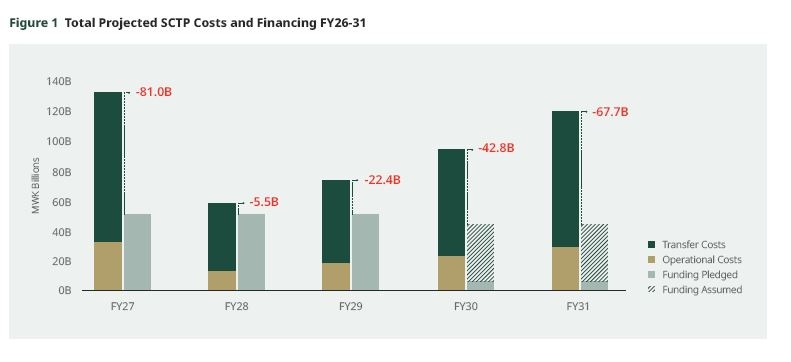
But the World Bank and European Union (EU) have signalled plans to cut their contributions by more than half, leaving the government under pressure to secure alternative financing to sustain support for vulnerable households.
The shift is outlined in Malawi Sustainable Financing Strategy for Social Protection, which proposes a mix of domestic resource mobilisation, expenditure reprioritisation, climate financing, continued donor engagement and innovative financing to sustain social protection programme.
The strategy proposes value added tax (VAT) base rationalisation, fuel levy restructuring, improved pension contribution compliance and future mining revenues, alongside the redirection of about K23.1 billion from the Farm Input Subsidy Programme in 2027
The strategy estimates the measures could raise K20.8 billion from VAT and K3.21 billion from fuel levies in 2027, while mining could eventually generate up to $100 million (about K175 billion) annually.
In a written response yesterday, Mzuzu University economic lecturer Christopher Mbukwa said the measures could help to reduce the financing gap in the long-term, but will not immediately replace donor support.
He said: “On paper, the measures look plausible, but practically they may not immediately fill the financing gap, particularly because VAT and fuel levies could increase living costs while mining revenues may take time to materialise.
“Government, therefore, needs clear local financing goals and fiscal consolidation that deliberately protects funding for social protection programmes, which are critical in reducing poverty among low-income households.”
Centre for Social Concern economic governance programme officer Agness Nyirongo, in an interview yesterday, observed that the proposed measures would only provide a sustainable solution if they delivered predictable and sustainable financing.
She said: “The real test is not simply how much government can raise, but whether the financing will be predictable and sustainable enough to protect social protection programmes from budget pressures.
“Measures such as VAT reforms, fuel levies, mining revenues and reallocations from existing programmes must be carefully designed to avoid placing additional pressure on poor households.”
The push comes as Malawi Government’s fiscal space is already constrained, with domestic revenue increasing from 15.1 percent of the gross domestic product (GDP) in 2015 to 20.1 percent in 2024, against expenditure rising from 18.1 percent to 28.4 percent.
On the other hand, public debt has reached K23 trillion or 90.2 percent of GDP, while statutory expenditure has consumed an average 93 percent of domestic revenue over the past four fiscal years.
Debt service alone increased from 28 percent of domestic revenue in 2020/21 to an estimated 46 percent in 2024/25 fiscal year, further limiting the government’s room to finance social protection.
Department of Economic Planning and Development acting Principal Secretary Sophie Kang’oma conceded in an accompanying statement to the strategy that identifying new revenue sources is not enough and called for commitment and collaboration in implementing the strategy.
“Effective implementation of this strategy requires making sacrifices and increased commitment,” she said.
Meanwhile, social cash transfer programme is projected to increase its monthly transfer from K16 380 in 2025/26 to K28 000 in 2026/27, with further increases expected to track inflation.