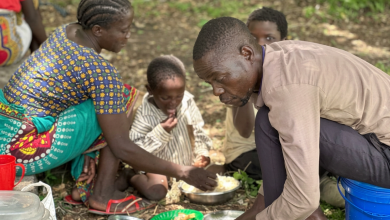
Travelling through Malawi, I see men pushing bicycles overloaded with firewood or charcoal and women carrying heavy loads on their heads with children on their backs. Always on the move, in the heat, rarely at rest. If prosperity were simply a matter of hard work, Malawi would be a much wealthier country.
But hard work alone is not enough. What matters is also the conditions that allow people to earn a better living. As we marked the International Day for the Eradication of Poverty on October 17, I thought of these families and their daily struggles. They are among those we describe as vulnerable.

Yet together, they represent Malawi’s greatest resource. The country has fertile land, abundant fresh water and promising mineral deposits. But its greatest promise lies in its people and in what they can achieve when given the chance to build better lives.
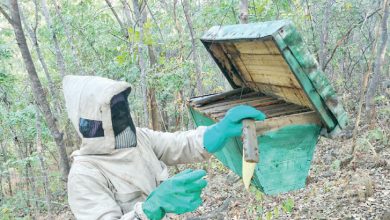
Malawi remains one of the world’s poorest countries. Despite periods of economic growth, average income per person has changed little over the past decade. For many, working even longer hours is hardly an option. The challenge is to make the work they already do more productive. Consider a smallholder farmer. Better tools and reliable access to water and electricity can make it possible to produce a larger harvest with the same amount of work, or even less.
But higher productivity is not only about improving existing jobs. It is also about enabling people to move into more productive work as businesses invest and grow. When workers create more value, employers have greater scope to pay higher wages. Over time, this is how an economy can generate higher incomes and better living standards. Achieving this requires investment in people as well as businesses. Education and health help people become more productive while businesses need the conditions to make good use of their skills. Both are essential for creating better jobs and higher incomes.
Economic growth alone will not eliminate poverty. Its benefits must reach those who need them most. But without sustained growth in productivity and incomes, reducing poverty on a large-scale is almost impossible.
Norway is often associated with our oil and gas wealth. Yet, natural resources account for only a small share of Norway’s national wealth. By far the largest share lies in our people, in their knowledge, skills and ability to create value. Investing in people has been an important part of Norway’s development. One example is the sharp increase in Norwegian women’s participation in paid employment from the 1970s onwards, supported by rising education levels and the gradual expansion of childcare services. This gave women greater financial independence and more choices in life. It also made an important contribution to Norway’s economic growth.
In Malawi, women already work long hours, often in farming and small businesses while also carrying much of the responsibility for children and household work. The challenge is not for women to work more, but to have better opportunities to earn more from the work they do.
Despite its economic challenges, Malawi has made important progress over the past decades, thanks to the efforts of its people and institutions. People live longer, fewer children die at an early age and more children have access to education.
Norway has been privileged to contribute to this progress through cooperation with Malawian authorities and other partners, particularly in health, education and agriculture. Building a more productive economy takes time and sustained effort.
For a country like Malawi with limited financial resources, investing in education, health and infrastructure is particularly challenging. But not every improvement requires large amounts of money.