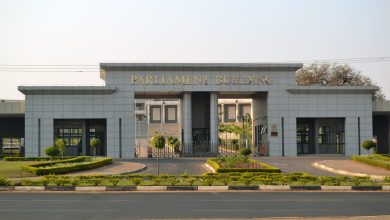
A parliamentary inquiry into the June 10 2024 plane crash that killed Vice-President Saulos Chilima and eight others has heard forensic evidence pointing to a high-impact crash, alongside allegations by a police informant that have raised fresh questions about whether the disaster was accidental.
Pathologist Steve Kamiza, who led the team that conducted a post-mortem on the victims, told the Parliamentary Ad-hoc Committee on Chikangawa Plane Crash yesterday that the bodies had extensive fractures and deep cuts consistent with a high-impact crash.
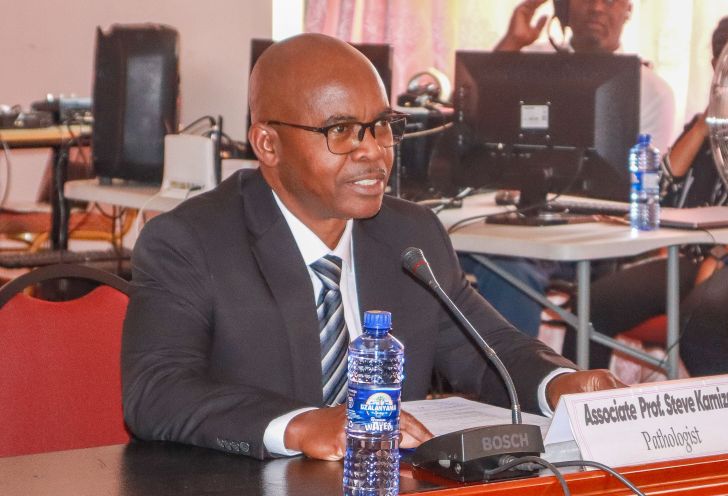
He said the victims appeared to have been seated and strapped into their seats when the aircraft hit the ground, disputing suggestions that they had been moved around or involved in a hijacking incident.
“The bodies do not agree because the bodies were seated at the point of impact,” said Kamiza.
He told the committee that some bodies had soil and vegetation embedded deep in their wounds, while others were covered in jet fuel.
“The body of Chilima was full of oil. I would actually be surprised if the phones were intact with these kind of injuries,” said Kamiza, explaining that the damage to the victims’ bodies was consistent with the damage reported on their mobile phones.
Committee chairperson Walter Nyamilandu Manda, however, questioned whether Kamiza’s findings represented the only possible scientific interpretation aor other pathologists would reach the same conclusions.
Kamiza said he expected other pathologists to establish similar findings, although differences in interpretation could arise from variations in experience, training and knowledge. He said he was interested in seeing the findings of pathologists engaged by the committee.
Mwanza Central MP Felix Njawala (UTM Party)also challenged Kamiza’s comments on hijacking, questioning whether he was drawing conclusions beyond his medical expertise.
Kamiza maintained that he was relying on the physical evidence from the bodies, not knowledge of how the aircraft was operated.
“When the plane was hitting the ground, everyone was seated and with seatbelts fastened. I don’t know how the plane is operated. I am looking at the bodies,” he said.
Njawala argued that pilots familiar with the aircraft were better placed to explain its movements and assess claims of hijacking. He also cautioned against drawing conclusions about the damaged phones, saying committee members had not witnessed their recovery.
Kamiza said damage to phones was not unusual in a high-impact crash and did not, on its own, point to deliberate destruction.
Zomba Thondwe MP Dumisani Lindani (DPP)questioned whether it was fair to expect the pathologist to comment on matters outside his professional field. Kamiza agreed, maintaining that his evidence concerned the condition of the bodies and fell within his expertise.
On questions about the victims’ blood and urine, Dowa Kasangazi MP George Kadzipatike (MCP) asked why no blood was reportedly found on some bodies recovered outside the wreckage.
Kamiza explained that blood circulation depended on the heart pumping. He said the victims had blood in their bodies, but there was no external blood spillage in the cases being discussed.
Kadzipatike also asked whether the victims could have been shot or murdered, following claims by some people that they had heard gunshots.
Kamiza said the post-mortem had not established evidence of gunshot wounds.
“Had it been that they were shot, we would have found bullets in the bodies,” he said.
Kamiza added that he had advised families against viewing the bodies because they were severely disfigured and viewing them could have caused further trauma.
On concerns raised by Lapukeni’s widow about the condition and identity of her husband’s remains, Kamiza said the body was badly disjointed. He added that the pathologists found part of Lapukeni’s remains after other remains had already been taken from the mortuary.
He said he was, therefore, not surprised that the family had questioned whether the remains they buried belonged to their relative.
The committee’s vice-chairperson James Mpunga questioned why the pathologists had not conducted toxicological tests on the pilots to establish whether they could have been poisoned.
Mpunga said the German Federal Bureau of Aircraft Accident Investigation (BFU), which investigated the crash, had also noted the absence of toxicological tests.
Kamiza said toxicology was outside the pathologists’ mandate, although they had collected and preserved samples in case further tests were required.
Mpunga questioned the omission, arguing that it had not helped families seeking answers.
Kamiza maintained that the postmortem findings established crash injuries as the cause of death, adding that preserved samples could still be made available for toxicological examinations if required.
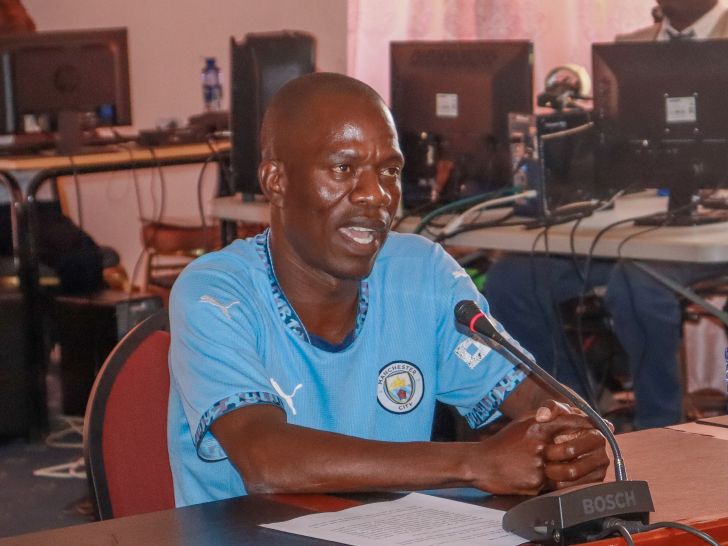
Meanwhile, the committee heard testimony from police informant Dziwani Jassi, who said he doubted that the crash, which killed Chilima and eight others, was accidental.
The Blantyre resident told the committee that his suspicions stemmed from conversations and events involving police officers before and after the crash.
The testimony prompted Mpunga to call for further investigations.
Nyamilandu said the committee would summon officers Jassi mentioned to give their side of the story.
Some committee members, however, expressed reservations about accepting Jassi’s account without further scrutiny, stressing the need to verify the allegations.