Contradictory accounts by the Bankers Association of Malawi (BAM) and the Financial Intelligence Authority (FIA) have raised questions of possible involvement of some commercial banks and their employees in illegal foreign exchange externalisation.
The details emerged on Tuesday during a Parliamentary Committee on International Relations meeting with BAM and FIA.
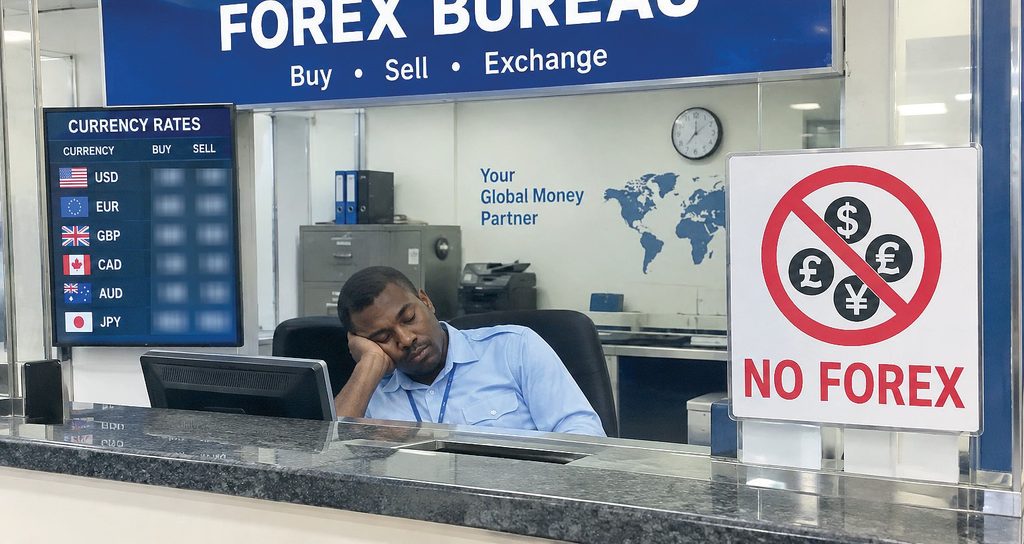
In an interview yesterday, a committee member told The Nation that BAM indicated it had not encountered cases implicating banks or bankers in illegal forex deals, while FIA acknowledged receiving complaints and cautioning some financial institutions and their employees.
The legislator, who asked for anonymity because they were not authorised to speak on behalf of the committee, said the central question of possible bank involvement in forex diversion remained unanswered.
“The main question was not answered, and this is the question of banks’ involvement in forex diversion. This was the biggest issue during the discussion,” the legislator said.
The committee member said BAM referred suspicious transactions to FIA, while FIA pointed to the Reserve Bank of Malawi (RBM) on enforcement against illegal forex dealers.
But in its presentation dated November 10 2026, seen by The Nation, BAM identifies several channels through which foreign exchange could be illegally externalised, including fictitious import payments, trade misinvoicing, concealed capital transfers and misuse of international payment instruments.
The presentation also identifies the misuse of bank cards and digital payment channels as potential money-laundering risks, particularly where international payment instruments facilitate cross-border transfers outside permitted limits.
It further cites an FIA warning about large cash deposits followed by immediate requests for overseas transfers disguised as legitimate import payments.
BAM said banks monitor suspicious transactions, verify supporting documents and report suspected financial crimes to FIA.
However, the presentation does not quantify suspected forex losses, disclose cases implicating banks or their employees, or provide details of enforcement action taken.
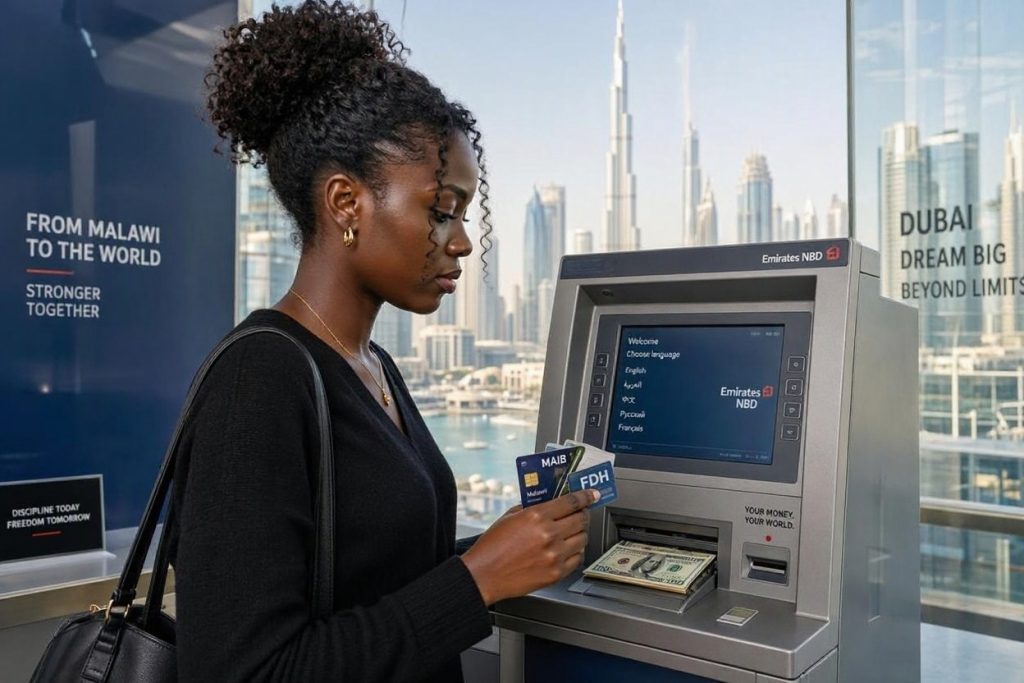
money-laundering risks. | AI-generated image
The association attributed Malawi’s forex shortages largely to structural weaknesses, including inadequate export earnings, dependence on imports and declining confidence in formal forex markets.
BAM cited an estimated $2 billion trade deficit in 2025, based on the 2026/27 Budget Policy Statement.
Efforts by The Nation to obtain substantive explanations from BAM and FIA had not yielded responses by publication time.
FIA spokesperson Patience Lunda said the authority could not publicly share information relating to the matters raised because it was sensitive.
The reported differences in the institutions’ accounts have not been independently verified, and complaints or regulatory cautions do not in themselves establish wrongdoing.
Meanwhile, National Advocacy Platform coordinator Benedicto Kondowe questioned whether confidentiality should prevent Parliament from obtaining information necessary to scrutinise the institutions.
“Confidentiality protects legitimate interests; it must never become a shield for institutional failure or suspected financial misconduct,” he said in a written response.
BAM’s presentation recommended stronger enforcement against illegal forex externalisation, improved coordination among regulators and reforms to encourage foreign exchange transactions through formal banking channels.
Malawi continues to struggle to import fuel and other essentials, including medicines and fertiliser, due to a foreign exchange crisis resulting from low export earnings.
The country’s import bill stands at $3 billion against $1 billion from export earnings. The situation has prompted monetary authorities to introduce several controls in a bid to seal loopholes.