After surviving rape, Amina (not real name) arrived at Mtimabi Health Centre in Mangochi District desperate for help.
Her body carried visible signs of the violence she had endured, wounds that needed immediate medical attention.
A nurse cleaned her injuries, treated the bleeding and provided care for the physical harm.
But beneath those wounds was a deeper pain no one could see.
Amina tried to explain that the trauma had left her emotionally shattered. She was struggling with thoughts of ending her life and needed therapy support.
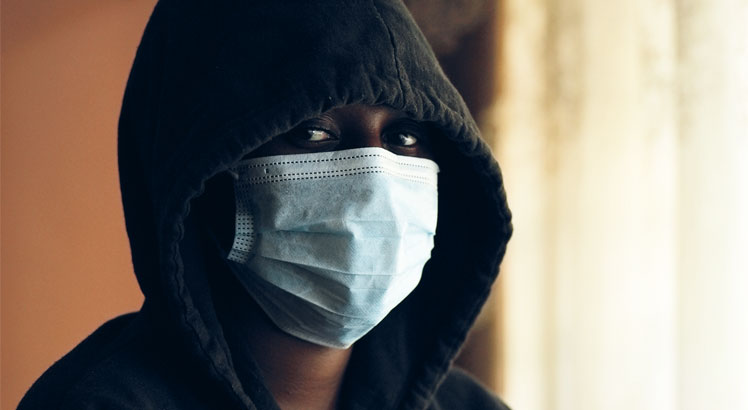
Amina. I Jonathan Pasungwi
However, because her physical condition was not considered immediately life-threatening, she was discharged without a mental health assessment, counselling or trauma support.
“My body was bleeding, but my mind was dying. They treated the wounds they could see, but nobody asked about the pain they could not see,” says Amina.
She said since the rape, her life has changed completely. The trauma has followed her everywhere, turning ordinary moments into painful reminders of what happened.
“I no longer see people the same way. Whenever I see a man, fear takes over my body. I start shaking because I remember what happened to me,” she says.
Now Amina lives with constant fear, struggling to rebuild the confidence and dreams she once had.
“I feel like every man I meet could hurt me. I know nobody is the same, but my mind keeps telling me I am not safe. The person who attacked me took away my peace,” says the 15-year-old Standard Two dropout.
Amina’s story highlights a major gap in survivor care, where physical injuries from sexual violence may receive attention while the psychological wounds remain untreated.
Mangochi District health promotion officer Harold Kabuluzi said all their health centres provide counselling services, although the support may not be as extensive as that offered by district social welfare counsellors, as facilities rely on available healthcare workers.
“She [Amina] might have received counselling, but maybe not at the same level with district social welfare counsellors,” he said.
Psychotherapist Beatrice Magombo, who is also Mindset Services Limited chief executive officer, said Amina’s condition requires urgent psychological intervention, including psychiatric assessment.
She observed that it is common for survivors of sexual violence to experience severe trauma, adding that recovery requires time and specialised support.
“This girl is suffering from post-traumatic stress disorder because she is responding to what happened to her. She needs intensive counselling, possibly around 20 sessions to begin the healing process,” said Magombo.
Young Voice Organisation, which advocates for young people’s access to sexual and reproductive health services in public health facilities, says Amina’s case exposes the need for stronger survivor-centred healthcare.
The organisation’s programmes manager Emmanuel Namponya said mental health screening and counselling should be part of routine care for survivors of sexual violence.
He said failing to provide psychological support goes against the principles of the 2022-2030 Youth-Friendly Healthcare Strategy.
Amina’s case comes about eight months after the High Court of Malawi in Blantyre delivered a landmark ruling directing, among other things, the review of post-abortion care guidelines to address uncertainties among healthcare workers.
The court gave 180 days to review and implement the guidelines with the Attorney General’s Office, Ministry of Health and Malawi Human Rights Commission among the major stakeholders.
Ministry of Gender, Children and Disability Welfare statistics which were presented to Parliament’s Women’s Caucus and Social Welfare Committees in May revealed that in 2025 alone, the country recorded about 24 000 gender based violence (GBV) cases.
Between 2022 and 2025, GBV cases increased by almost 20 percent, peaking at 24 900 incidents in 2024 before a slight decline the following year.
According to the 2024 Malawi Demographic and Health Survey, 17 percent of women aged between 15 and 49 have experienced sexual violence.
The survey further shows that adolescent vulnerability remains high, with 32 percent of girls aged between 15 and 19 having begun childbearing.