Farmers in southern Malawi have embarked on long escapes from water and pasture security as approaching El Nino promises shorter rainy season, heatwaves and dry weather, our Correspondent HANEEPH MAULANA reports. For James Chikalimba of Nyangatayani Village, Traditional Authority Nchinguza in Machinga District, livestock is almost everything—food, money and inheritance for his family of seven.
Come rain or shine, the 46-year-old father of five will go to any length to defend his goats and cows.
However, the long walks to keep his invaluable animals alive have just gotten longer as Malawi rises from a heatwave that offered a glimpse of the fast-evolving Super El Niño forecast to cause drought, hot weather and hunger in southern Malawi.
Chikalimba has migrated over 20 kilometres from his hilly village to live in a valley that splits mountains along the border between Malawi and Mozambique.
As Malawi’s southern region becomes warmer and drier in the countdown to the short rainy season, he often camps for months in the wetland.
“I’m here, waiting for the dry season to ease its grip on his livestock,” the farmer says.
Living away from his family and the uncertain search for water and pasture bare only half of the desperate struggle to protect his animals.
He also has to safeguard them from thieves in the wild setting.
“I don’t have any choice,” says the father of five. “My family’s livelihood depends on the animals I am desperately trying to keep alive.”
For farmers like Chikalimba, this is not just a seasonal struggle to find water and grazing land.
It is about protecting their families’ generational wealth as southern Africa prepares for the potentially hot and dry weather conditions associated with El Niño in the 2026/27 growing season.
Experts warn that the short rainy season marked with dry spells and heatwaves poses a threat to both livestock and crops.
However, much of government attention and priorities are skewed towards the possible effects of unfavourable weather on crop production, even though livestock farmers are equally worried about access to water and pasture for their animals.
Chikalimba recounts: “The situation increasingly becoming increasingly difficult, as water sources and grazing areas dry up in scorching sunshine. The pressure is clear as many farmers now join the long trips in search for wells and grass that would save our animals.
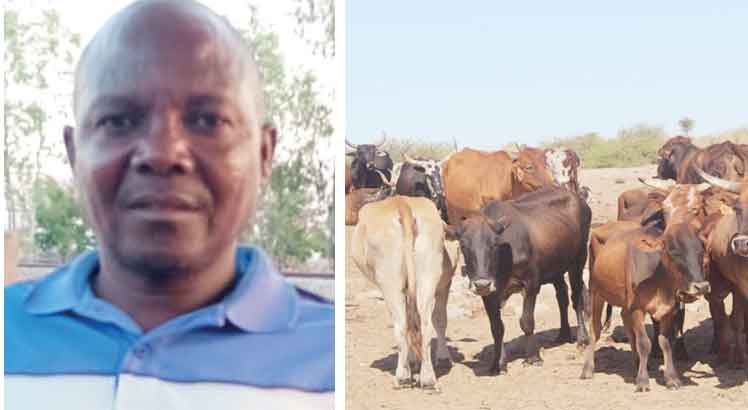
“In previous years, we used to travel in groups of about 20. This year, the number has swelled to 40 as more desperate farmers are concerned about the their livestock’s survival with the anticipated effects of El Niño.”
Together, the anticipatory exodus takes Chikalimba and his group towards Lake Chilwa basin along the Malawi-Mozambique border. The wetland sustains livelihoods of over one million farmers and fishers, birders.
“We establish camps on mountaintops and leave our livestock to graze in the wetlands below. Sometimes, we spend months waiting for conditions to improve,” he says.
But finding pasture comes at a cost. Away from the comfort and safety of their villages, the farmers battle with thieves and other risks.
“During the 2023/24 El Niño, thieves stole 10 of my sheep and two goats. Despite the loss, I have had to return to these mountains to protect my remaining livestock from possible climate shocks. The danger of losing more animals to hunger and thirst is frightening because livestock is almost everything to my family,” he says.
Chikalimba owns 37 herds of cattle, 19 goats and 13 sheep in his drought-prone area where crop yields keep dwindling due to erratic rains, barren soils and shrinking land per person.
This makes it difficult for farmers to to sustain their families.
“Losing my livestock would mean more trouble for my family, a sudden end for my children’s future. I would not provide them with daily needs and school materials,” says Chikalimba.
His fears raise questions about how livestock farmers are preparing for the water stress induced by El Niño.
Asima Kapalepale, who rears goats in Machinga, says the recurring water and pasture scarcity, caused by climate change, forces some farmers to travel long distances to safeguard their herds.
“It is shocking that livestock farmers are not receiving enough information and support to help us prepare for changing climate. Most of us here are not aware of the harsh conditions ahead. We are left behind as agricultural support focuses more on irrigation and crop production, yet animals also suffer the impacts of climate change,” Kapalepale laments.
His concerns highlight the need for integrated El Niño preparedness interventions as livestock farmers, if protected, could help farmers buy food and other basics when crops fail.
Machinga district director of agriculture Raphael Mkisi says farmers should engage their local leaders and authorities to push for dams and other water development projects under the K5 billion Constituency Development Fund.
“Such projects could bring water closer to communities and reduce the long travels farmers endure search of water and pasture for their animals,” said Mkisi.
For Chikalimba, however, the need is immediate. Each journey takes him further from home, while the animals remain exposed to the dangers of an uncertain environment.
He says: “However, my greatest fear is not simply that the upcoming harsh weather could make livestock farming more difficult.
“The animals I have toiled hard to save as my family’s inheritance could disappear once thieves or searing drought arrive.”