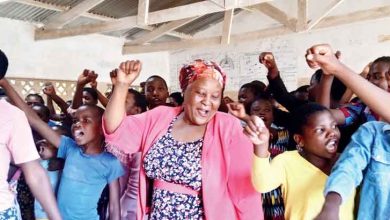
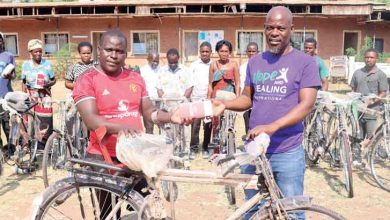
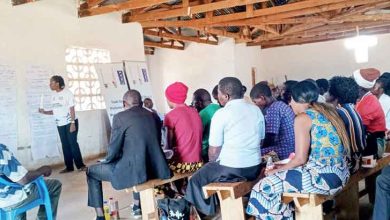
People in Traditional Authority Chapananga in Chikwawa District have said the Climate-Smart Enhanced Public Works Programme has lifted them out of abject poverty.
Participants under the project work for wages in 24 days implementing interventions to mitigate against climate change, including reclaiming gullies, digging check dams and trenches as well as planting trees to replenish degraded landscapes.
To ensure sustainability of the gains, Community Savings and Investiment Promotion (Comsip) trained the participants in business and how to run savings and loans associations.
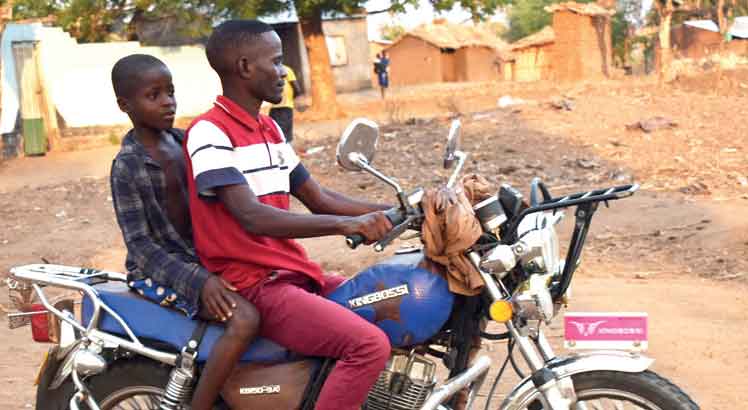
One of the participants, Julius Chining’a of Zachi Village in T/A Chapananga in Chikwawa said the programme was his gateway out of poverty.
Chining’a was enrolled in the programme under the programme to do water management and land conservation activities such as building swales, eyebrow basins, check dams and deep trenches, among others.
“The monthly wage from the programme helped me to afford at least two meals a day and get other essentials,” he said.
However, it was after Comsip mobilised the participants to form a 17-member Swambedza Cluster to save their earnings and get soft loans for businesses that his life transformed.
“The move challenged me to be productive. I borrowed about K750 000 and started buying and selling goats,” said Chining’a.
The proceeds enabled him to buy a motorcycle to diversify his sources of income, as it is used for the Kabaza business.
Chikwawa district Climate-Smart Enhanced Public Works Programme facilitator Chifundo Makhumula Thungwa said 20 965 participants in 18 catchment areas have benefitted from the programme while restoring degraded land for their empowerment.
The district’s Comsip coordinator Latief Nembo said they are pleased with the strides participants have made in improving their lives.
“Over 2 908 participants are engaged in the Comsip clusters. 97 youths were equipped with vocational skills facilitated by Technical, Vocational and Entrepreneurial Education and Training Authority,” he said.
The programme is a component of the Social Support for Resilient Livelihood Project running with funds from the World Bank and the Multi-Donor Trust Fund through the National Local Government Finance Committee.