Two years after rolling out digital excise tax stamps known as Kalondola, Malawi Revenue Authority (MRA) says the initiative is reshaping the country’s revenue collection landscape.
MRA head of corporate affairs Wilma Chalulu said in an interview on Monday that excise tax collections have increased, more manufacturers have registered and enforcement has tightened across borders and domestic markets.
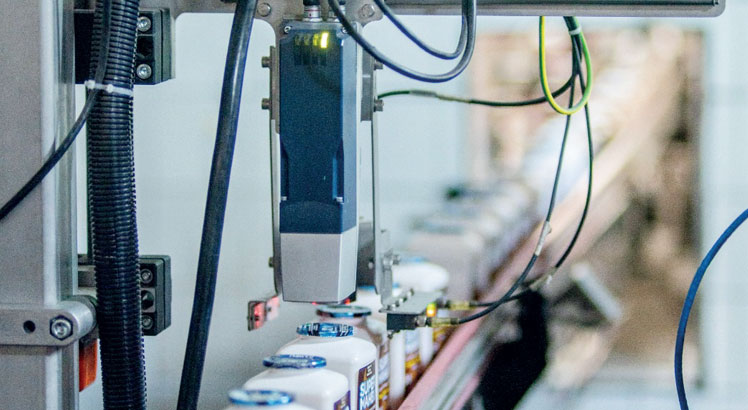
She said that digital stamps, first applied to cigarettes and alcohol in May 2024, give each regulated product a unique digital identity, allowing officials to verify production, sales and duty payments in near real-time.
maheu. | Courtesy of Malawi Revenue Authority
“Before the stamps, excise collection ran on declarations and the gap between what a factory produced and what it declared was invisible. Two years of the stamps have narrowed that gap product by product,” said Chalulu.
She said that despite the surfacing of counterfeit stamps, the system was designed to detect them, adding: “Just like banknotes or passports, criminals may try to copy secure government documents.
“The key issue is whether the system can help authorities identify fake stamps and provide evidence for investigation and prosecution.”
Castel Malawi, one of the country’s alcoholic beverage producers, has publicly backed the digital tax stamp, with its managing director Thomas Reynaud, in an interview on Monday, urging consumers to remain vigilant.
He warned that counterfeit products pose health risks and undermine legal trade.
“Authentic Castel products carry digital tax stamps, date stamps and batch numbers,” said Reynaud.
Lilongwe-based economist Dumbani Mzale said digital tax stamps strengthen public finance management by curbing fraud and boosting revenue.
“For too long, Malawi has been a victim of counterfeit products, especially beer and other key consumables. This has resulted in the country losing billions of kwacha in potential tax revenue,” he said.
Retailers have also reported benefits of the digital tax system, with a shop owner at Songwe Border Post in Karonga District Christopher Luhanga, saying the stamps help to identify legitimate products.
MRA data show that domestic excise revenue reached K202 billion in 2025/26 fiscal year, surpassing the K199 billion target, thanks to digital tax stamps.
The public tax collector has set a 2026/27 fiscal year excise target of K273 billion, a 37 percent increase.
In the first quarter of this fiscal year, total revenue collections hit K1.398 trillion, exceeding the quarterly target by K20 billion and excise tax emerged as one of the strongest-performing streams.
The digital tax stamp platform integrates registration, ordering, issuance and monitoring, supported by analytics and artificial intelligence to detect anomalies and flag risks.
Since February 2025, Kalondola has been linked to Automated Systems for Customs Data (Asycuda), the customs clearance system, which means imports in specified categories must meet stamp requirements, making non-compliant consignments easier to intercept at entry points.
The digital tax stamps technology is supplied by Sicpa Malawi, a subsidiary of Switzerland-based Sicpa SA, whose systems operate in nine other African countries.