Department of Disaster Management Affairs (Dodma) has secured a third of the maize required for El Niño response, leaving a 233 369 metric tonnes (MT) shortfall as 6.5 million people face potential food insecurity.
In a briefing to Parliamentary Women’s Caucus in Lilongwe on Tuesday, Dodma Commissioner Wilson Moleni said the department has 109 327MT of maize in stock against the 342 696MT required to effectively address food shortages during the anticipated weather shocks.
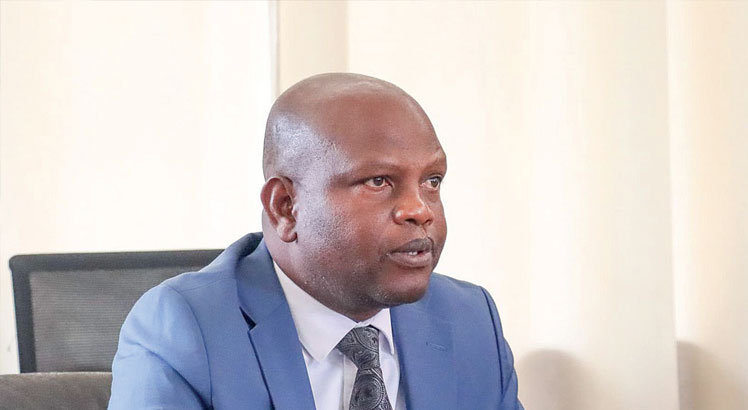
“This means we have secured only about a third of what we need,” he said.
The maize deficit comes amid a wider funding shortfall with Dodma having mobilised K164 billion of the K488 billion required to implement its revised preparedness plan, leaving a gap of about K324 billion.
Moleni said the funding constraints could undermine the implementation of planned interventions to protect vulnerable households from the anticipated effects of El Niño.
The food security outlook is further complicated by projected lean-season shortages in the 2026/27 agricultural season, which are expected to affect an additional 2.6 million people and require 97 887MT of maize.
This brings the combined maize requirement for the El Niño response and lean-season interventions to 440 583MT.
According to the preparedness plan, the National Food Reserve Agency (NFRA) is expected to procure an additional 77 000MT of maize to raise projected maize stocks to 186 327MT. However, that will leave a deficit of 254 256MT against the combined requirement.
Moleni said the additional maize would help improve national stocks but would not be sufficient to meet the projected needs.
Dodma’s seasonal outlook indicates a high likelihood of below-normal rainfall in most parts of southern and central Malawi, with prolonged dry spells potentially affecting crop establishment and reducing agricultural production.
The department warns that reduced local production could worsen food availability and drive up prices, putting further pressure on households that depend on markets for food.
Dodma has identified Nsanje, Mangochi and Zomba districts for anticipatory assistance, targeting vulnerable households for support before the anticipated weather shocks take full effect.
Other planned interventions include financing sovereign drought insurance premiums to strengthen the country’s capacity to manage the financial risks associated with drought.
Women’s Caucus chairperson Mary Maulidi Khembo described the situation as worrisome, saying inadequate preparations could leave vulnerable households without sufficient assistance when the effects of El Niño begin to manifest.
“The funding gap is too big and it is worrisome because if people are not adequately assisted, they will eventually turn to us as parliamentarians for help, yet we do not have the resources to meet all their needs,” she said.
Khembo assured that the caucus will engage the Ministry of Finance, Economic Planning and Decentralisation to push for adequate resources ahead of the anticipated weather shocks.
She said women, children and other vulnerable groups were likely to bear the greatest burden of inadequate food assistance, particularly in households dependent on subsistence farming.
The World Meteorological Organisation announced on June 2 2026 that El Nino conditions were developing in the tropical Pacific, warning of possible disruptions to global weather and rainfall patterns.
Malawi’s meteorological authorities subsequently projected that the country would experience the direct effects of the phenomenon between October 2026 and March 2027.
In preparation, President Peter Mutharika established an Ad Hoc Cabinet Committee on El Niño on September 4 2026, chaired by Chief Secretary to the Government Justin Saidi, to oversee national preparedness.
Malawi Government developed a K488.5 billion preparedness plan covering 14 priority clusters, including agriculture, food security, nutrition, health, water and sanitation, energy, protection and logistics. The plan also identified 23 drought-prone districts for priority attention.
Saidi is on record as having said that government had mobilised K163.7 billion, leaving a funding gap of K324.8 billion.
The resource constraints also featured in the postponement of Mid-Year Budget Review Meeting of Parliament scheduled from November to December with the President stating that resources should be redirected towards El Niño preparedness and fuel-related challenges.