Economists and farmers say a widening gap between farm-gate and retail maize prices is eroding incomes for the country’s smallholder farmers, forcing many to sell produce cheaply after harvest only to buy the same at higher prices during the lean season.
Mzuzu University economics lecturer Christopher Mbukwa said in an interview on Monday that liquidity pressures compel many farmers to dispose of crops immediately after harvest often at distressed prices, reducing their earnings and weakening household welfare.
“Most small-scale farmers sell their produce to meet immediate needs, but they end up buying the same commodities at much higher prices during the lean season,” he said.

agricultural productivity. | Nation
Mbukwa said farmers can reduce losses by investing in storage facilities that can enable them to hold produce and sell when market conditions improve.
“Farmers should invest in safe storage solutions to avoid selling under pressure during low-price harvest periods,” he said.
Mbukwa called for policy interventions to improve market access, arguing that farmers can secure better returns through regional trade.
He said: “Government should support farmers to access markets in countries such as Tanzania, Mozambique, Zambia and Kenya.
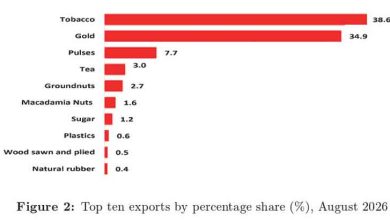
“Similar to traders exporting groundnuts and beans through East African trade routes, farmers could earn significantly higher profits.”
On their part, farmers say the seasonal price swings leave little room to accumulate capital or reinvest in production.
Group village head Kamuzinga of Rumphi District, who is also farmer, said a 20-litre bucket of maize fetches between K6 000 and K8 000 during harvest, but now costs more than K15 000.
“This makes it difficult for us to provide basic needs for our families and earn enough income,” he said.
Lilongwe-based farmer Hedson Sato said in an interview that high post-harvest price increases limit farmers’ ability to expand operations and purchase inputs such as fertiliser.
Lilongwe University of Agriculture and Natural Resources Centre for Agricultural Research and Development director Innocent Pangapanga Phiri said the mismatch is undermining agricultural productivity and food security.
He warned that rising maize prices widen household food deficits, forcing many families to reduce meals and shift to less nutritious food.
Pangapanga urged authorities to improve market information systems, facilitate movement of grain from surplus to deficit areas and mobilise resources to cushion vulnerable households while addressing supply bottlenecks.