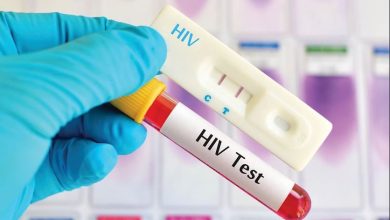
Fresh concerns have emerged on Malawi’s ability to maintain uninterrupted access to family planning services amid dwindling donor support in the face of a K17.34 billion ($10 million) funding gap for 2027 contraceptive procurement.
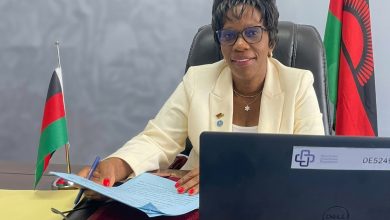
United Nations Population Fund (UNFPA) officer-in-charge for Malawi Richard Delate disclosed the funding gap yes terday dur i ng commemoration of World Contraceptive Day held under the theme ‘The power of options’.
He noted that while the Malawi Government has provided K730 million towards this year’s contraceptives supplies, more funding will be needed to secure adequate contraceptive stocks throughout 2027.
Delate said the government’s target to allocate K1 billion in 2027 for contraceptive procurement was commendable, but the country will still require an additional $10 million (about K17.34 billion) to meet its 2027 needs.

at risk. | Cynthia Binal
“Unless that gap is closed, reliable access to contraception will be at risk for young women who depend on it to plan when to have another child and pursue their education,” he said.
UNFPA data show that one in three girls aged 15-19 in Malawi has ever been pregnant.
The agency has since called for sustained investment so that women and girls in every community can make choices about their own futures, reach their full potential, ensure the well-being of their families, communities and Malawi.
A November 2025 Family Planning Market Memo by the Clinton Health Access Initiative found that the withdrawal of United States (US) support cost Malawi $1.8 million in expected contraceptive financing, increasing the country’s family planning commodity funding gap from $9.6 million to $11.4 million.
Government and partners subsequently mobilised additional resources to avert shortages.
Malawi Health Equity Network executive director George Jobe warned in 2025 that reduced external funding
was already straining health budgets, supply chains and community-level services, with adolescents particularly vulnerable to disruptions in sexual and reproductive health services.
Family Planning Association of Malawi board chairperson Mercy Paundi also reported that the withdrawal of US-funded programmes had forced the organisation to scale down interventions and close some clinics.
The potential impact is significant because Malawi has made notable progress in family planning.
According to the 2024 Malawi Demographic and Health Survey data cited by Afrobarometer, modern contraceptive use among married women aged 15-49 increased from 53 percent to 66 percent between 2016 and 2024, while the total fertility rate fell from 4.4 to 3.7 children per woman over the same period