Malawi has registered notable gains in maternal and child health, with more women now delivering in health facilities and children receiving recommended vaccinations.
The progress is reflected in a Countdown to 2030 study conducted by the Kamuzu University of Health Sciences (Kuhes) covering the period 2020 to 2025.
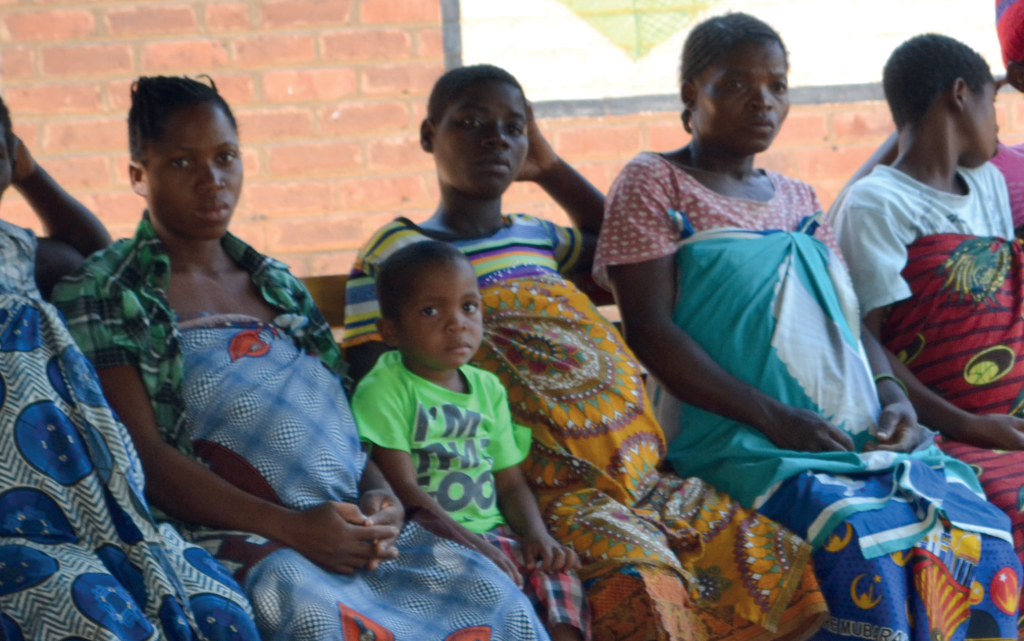
The research assesses the country’s performance in reproductive, maternal, newborn, adolescent and child health and nutrition, including progress towards health-related Sustainable Development Goals (SDGs).
According to the findings, 97 percent of pregnant women now deliver in health facilities where trained personnel provide care during childbirth and respond to complications.
Presenting the findings in Blantyre on Friday, Kuhes Professor of epidemiology and public health Adamson Muula said the results demonstrated progress in the country’s maternal health sector during the past five to 10 years.
He observed that there are other countries in Africa that register less than 30 percent of pregnant mothers delivering at a health facility, which means Malawi was doing much better.
“Only three percent are delivering elsewhere. On the road, at home and at other places. This is one of the highest in the world because 97 percent is such a huge proportion,” said Muula.
He further said more than 90 percent of under-five children are receiving all the recommended immunisations, indicating the country’s progress in vaccination coverage.
One of the researchers, Vincent Samuel Phiri said most districts are hovering around the national coverage.
“What we did was to extract the data from 2020 to 2025. Although in 2020 we saw that some of the districts were far from the national coverage but up to 2024 that gap has been closed,” he said.
Phiri also emphasised the need for pregnant women to initiate antenatal care within the first three months of their pregnancy to ensure early access to essential maternal health services.