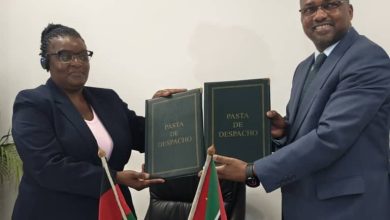
Malawi has secured a new mining development compact with the World Bank Group aimed at attracting investment, creating jobs and strengthening the contribution of mineral resources to economic growth.
The country is among eight nations that launched Metals and Minerals Country Compacts on October 16, establishing priorities and measurable commitments to accelerate responsible mining development.
The other participating countries are Argentina, Bolivia, Egypt, India, Kazakhstan, Mauritania and Zambia.
According to a World Bank statement, Malawi’s compact prioritises stronger sector governance, expanded energy and transport infrastructure, workforce and supplier development, and greater transparency in mineral licensing and revenues.
It also establishes targets for mobilising private investment, creating employment and strengthening local value chains, although specific targets were not disclosed in the announcement.
The initiative comes as World Bank projections indicate that Malawi’s mining sector could generate more than $30 billion in cumulative exports between 2026 and 2040 if the country addresses constraints affecting investment and production.
In the statement, the Malawi Government described mining as a strategic pillar for economic transformation and sustainable prosperity.
“Our priority is to translate the country’s mineral endowment into tangible national benefits through responsible resource development, increased investment, local value addition, employment creation and stronger linkages with the wider economy,” reads the statement.
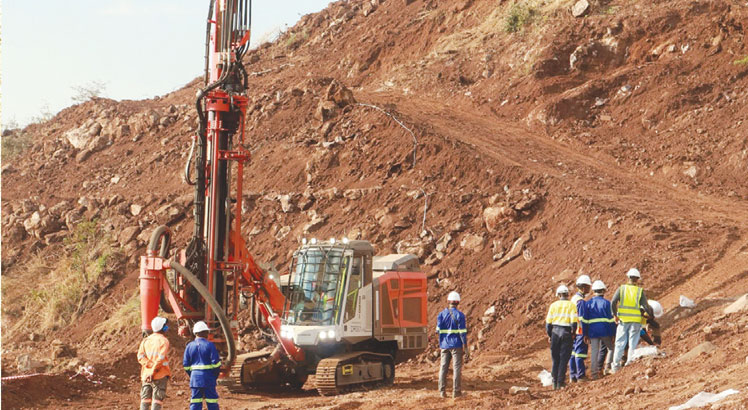
The World Bank’s Energy Transition Minerals Roadmap identifies seven advanced-stage mining projects, including Kayelekera, Kasiya, Kangankunde and Songwe Hill, which could significantly expand export earnings and government revenues
Under a business-as-usual scenario, annual government mining revenues could reach approximately $400 million by 2040, compared with $600 million under a more favourable reform scenario.
However, the roadmap identifies unreliable electricity, inadequate transport infrastructure, regulatory uncertainty and skills shortages among the principal obstacles to investment.
Speaking during the September launch of the roadmap, the then World Bank country divisional director Firas Raad said the compact would complement existing mining-sector reforms.
In a separate earlier interview, mining expert Grain Malunga has previously emphasised the importance of domestic mineral processing and industrial development.
“More efforts are required to support value addition and industrialisation,” he said.
The World Bank’s Malawi Economic Monitor has also recommended clearer government equity participation in mining projects, standardised mining development agreements and modernised mineral licensing systems to improve investor confidence.
Meanwhile, the World Bank Group plans to increase its global metals and minerals support fivefold to $19 billion between the 2026 and 2030 financial years, combining public financing, private capital mobilisation and investment guarantees.