Malawi is set to have regulations governing medicines and pharmacy practice by December 2026, almost seven years after Parliament enacted the Pharmacy and Medicines Regulatory Authority (PMRA) Act.
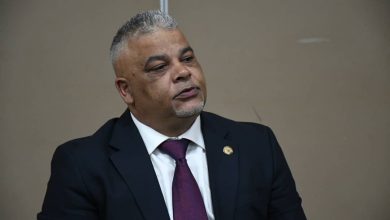
Minister of Health and Sanitation Madalitso Baloyi said in a written response that the regulations will provide the framework required to enforce the law and help curb the circulation of falsified and substandard medicines.

“The regulations will allow the effective implementation of the Pharmacy and Medicines Regulatory Authority Act and strengthen the regulation of medicines, pharmacy practice and pharmaceutical licensing,” she said.
The PMRA Act was enacted in February 2019 to regulate medicines, allied substances, pharmacy practice and related activities.
But Baloyi acknowledged that no progress was made towards developing the regulations between 2020 and 2025.
She said her ministry is now working with PMRA, the Parliamentary Committee on Health as well as the Ministry of Justice and Constitutional Affairs to complete the regulations.
“I am glad to report that the current government has taken up this important task, and we hope the regulations will be in place by December 2026,” said Baloyi.
She said the government’s work on the regulations formed part of a wider response to weaknesses identified in the country’s medicines regulatory and supply-chain systems.
The regulations are expected to strengthen controls over the registration, manufacture, importation, storage, distribution and sale of medicines.
They are also expected to support enforcement action against people and institutions involved in dealing in falsified or substandard products.
Pharmaceutical Society of Malawi president William Mpute said the absence of regulations weakened PMRA’s ability to enforce pharmaceutical standards.
“So, the Act was reviewed in 2019. This is 2026. Seven years down the line, the PMRA doesn’t have approved regulations. Without these it is difficult to enforce standards,” he said.
A January 2023 assessment by the European Union-funded Medsafe project found that security in the formal medicines supply chain was only partially under control while a World Health Organization benchmarking assessment conducted in March that year also recommended improvements in the management of threats posed by substandard and falsified medical products.
The Parliamentary Committee on Health subsequently called for a coordinated national response in September 2024.
That year, the Malawi Human Rights Commission also echoed the call in Machinga during a public inquiry into cases involving substandard and falsified medicines.
The inquiry is examining the medicines chain from procurement and importation to regulation, storage, distribution, dispensing and disposal.