Women aspirants in the September 16 General Election face mixed fortunes as they are still facing bullying and stigma despite getting support from women empowerment campaigners.
Oxfam in Malawi and Women’s Legal Resource Centre (Wolrec) are implementing the Promoting Gender Transformative and Youth Inclusive Democracy Project in Rumphi, Mzimba, Salima, Dedza, Machinga, Mulanje and Nsanje districts.
Under the project, which seeks to increase women representation in elected political office, women aspirants are being given cash and campaign materials as well as equipped with leadership skills.
In separate interviews yesterday, female parliamentary aspirants from four of the seven districts confirmed receiving 750 posters each, calendars and K3 million for campaign expenses.
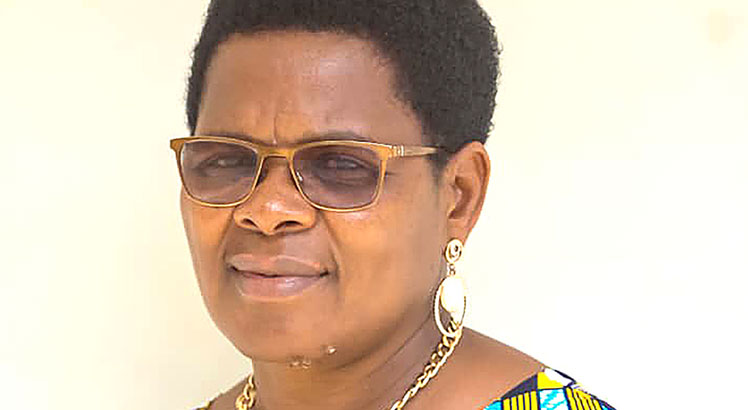
giving out handouts. | Nation
The support also extends to female ward councillor aspirants who have been given K750 000 each.
Independent candidate for Nsanje South West, Eurita Valeta, said the level of support has increased compared to what she received ahead of the 2019 elections in which she was elected legislator.
“In 2019 I had to buy additional calendars but this time, the items have covered enough areas,” she said.
Mulanje Central independent hopeful Rhoda Gadama said beyond the material and financial support, knowing that there are organisations rooting for women has acted as emotional support.
“In this campaign, every little bit of support, be it emotionally, morally and financially contributes to the win,” she said.
On her part, Dedza Boma Constituency independent aspirant Martha Kwataine said stigma, name calling, harassment and election malpractices remain challenges.
She said: “We still see our male counterparts giving out handouts to manipulate voters but our prayer is that people will be committed to vote for candidates with interest to develop their areas.”
On her part, Malawi Congress Party candidate for Mzimba South West Lomathinda Mtema observed that voters’ expectations of handouts place women at a disadvantage.
Meanwhile, Wolrec executive director Maggie Kathewera Banda has said the support is ongoing as they are also targeting persons with disabilities and the youth.
She further said the two organisations are conducting voter education campaigns in areas where the aspirants are contesting and raising awareness about the benefits of voting for women.
“We are also sensitising people about dangers of handouts as a way of protecting the candidates so that voters should not expect handouts from them,” said Kathewera Banda.
In the 2025 General Election, there are 334 female parliamentary aspirants against 229 seats while the local government race has 535 women out of 3 041 aspirants contesting for 509 seats.
The National Strategy on Political Empowerment of Women that the government launched last year aims to have at least 35 percent of parliamentary and local government seats in 2025 elections won by women and to increase to 50 percent of the seats in 2030.