Life is never easy for sexual minorities in Malawi as colonial-era laws that criminalise same-sex sexual acts expose lesbian, gay, bisexual, transgender, intersex and queer (LGBTIQ) persons to discriminatory attacks.
A Blantyre-based gay person recalls being exiled from a drinking joint at Kamba in Naperi Township.
“A fellow patron shouted that they don’t want gays in the club and all eyes were on me. Some grabbed my beer and threw me out. Others threatened to drag me to police. I was afraid,” he says.
Sections 153, 154 and 156 of the Penal Code prescribe five to 14 years’ imprisonment for sexual acts deemed “against the order of nature”, attempts to commit an “unnatural offence” or “indecent practices.”
However, Malawi signed the International Covenant on Civil and Political Rights and the African Union Resolution 275 that require governments to protect the LGBTIQ persons from violence based on their sexual orientation or gender identity.
However, safeguarding sexual minorities remains too hot a topic for lawmakers and their constituents.

We randomly interviewed 10 members of Parliament (MPs) on phone and all of them decline to share how they perceive sexual minorities, fearing a backlash from voters.
“It would be good to hear from ordinary people themselves,” Nsanje Central legislator Francis Kasaila (Democratic Progressive Party) told The Nation.
Zomba Malosa MP Grace Kwelepeta (DPP) says she “does not want to hear anything to do with it”.
“Izi ayi,” she said. “Sorry, it’s not worth discussing.”
Mzimba North’s Catherine Mzumara (UTM Party) says it is “something I can’t even mention in my constituency” while her Rumphi Central counterpart Matthews Mtumbuka of Rumphi Central, finds it “too early to talk about it”.
“I don’t want to start with ultra-controversial topics, especially on international stage,” says the Oxford-trained engineer.
For Lilongwe Nyanja legislator Steven Malondera (Malawi Congress Party), “only constituents can determine the position on homosexuality issues that his Dedza Kasina Constituency colleague Joshua Malango (MCP) considers thorny for his “largely rural constituency where traditional and religious values strongly shape people’s perspectives”.
Malango urges policymakers to approach such matters with “an understanding that society is diverse and evolving”.
“While I respect my constituents’ views, I recognise the importance of dialogue, mutual respect and upholding the dignity of all individuals,” said Malango.
Lilongwe Phirilanjuzi MP Peter Dimba says anti-LGBTIQ laws do not exist in a vacuum
“I wouldn’t be surprised if a majority would be against homosexuality,” he says.
An Afrobarometer opinion poll in 2014 found that 93 percent of Malawians would not like to have homosexuals as neighbours.
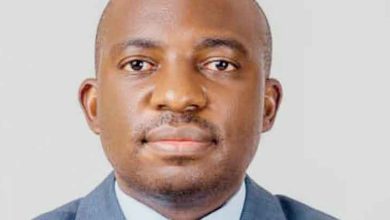
Centre for Human Rights and Rehabilitation (CHRR) executive director Michael Kaiyatsa says MPs widely consider LGBTIQ issues “politically sensitive” and controversial likely to erode their re-election chances.
He states: “Besides, the public debate on LGBTIQ matters in Malawi is often shaped more by religious beliefs, moral panic, misinformation and stigma at the expense of constitutional principles, human rights or evidence-based policy discussions. No wonder, most elected leaders find silence politically safer than engagement.”
However, Kaiyatsa says Malawians do not only elect MPs to echo common sentiments, but also uphold the Constitution, protect the rights of all citizens and promote informed national dialogue.
“Avoiding the issue entirely will not make it disappear; it only leaves room for prejudice, misunderstanding and continued marginalisation of fellow citizens,” he says.
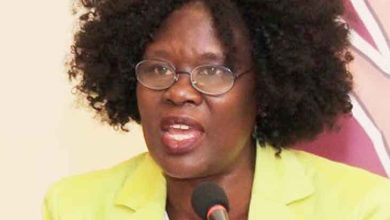
Centre for the Development of People (Cedep) executive director Gift Trapence says some seemingly guarded legislators deliberately sidestep sticky issues or lack knowledge.
“MPs should not be preaching hate of any section of the citizenry, but promote non- discrimination and protection of the rights of all citizens regardless of one’s sexual orientation or other considerations,” he said.
Section 20 of the Constitution prohibits any form of discrimination based on colour, race, sex, language or political opinion.
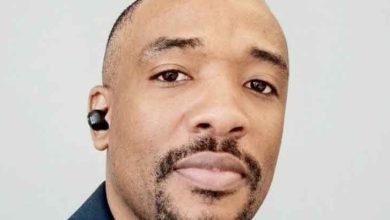
Nyasa Rainbow Alliance programmes manager Ousman Kennedy says the non-governmental group plans to engage current Legal Affairs Committee of Parliament on LGBTIQ issues because most MPs are new.
He states: “The previous cohort was better off because we engaged the committee to give them information on what the law says. Some even championed to offer advocacy in Parliament.
“The new legislators need training since they operate in an environment that is hostile towards the LGBTIQ community. We are not pushing for the legalisation of same-sex marriages or recruiting people to be gays. Our agenda is to promote equal protection of everyone, including the LGBTI community, as required by the Constitution.”