The 60 000 people in Dzaleka Refugee Camp are the frontline casualties of the World Food Programme’s (WFP) funding crisis.
At the beginning of September, each received about $8 to last the entire month—a cash payment that barely covers a week’s needs.
Each refugee needs about $28 to afford a food basket that meets the daily minimum of 2 100 calories.
Yet WFP fluctuating payments have rarely met that calorie target, with a long-standing cash crunch.
WFP recently offered refugees an alternative: It would only target the most vulnerable—people with disabilities, orphans and older refugees.
During a meeting with the UN’s refugee agency, UNHCR, and the Malawian authorities, that option was firmly rejected by leaders from all the communities—Burundi, the Democratic Republic of the Congo, Rwanda and the Horn of Africa.
They all spoke in one voice: prioritising only certain groups would be unfair as everyone is struggling.
“There are a lot of people who are vulnerable besides the ones they suggested,” said one.
Deciding who is “vulnerable enough” would also create divisions inside the camp in Dowa District.
For a refugee population already living with so little, even a small payment can make a difference.
What to do with $8
As such, the Dzaleka community must budget extremely frugally over how they will use their $8. Some will buy basic needs and others repay debts accumulated over the months of ration cuts.
This is how life works for many in our three-decade old camp. A food payment becomes soap, school materials, cooking supplies, clothes, credit repayments. Sometimes, it helps another family member who has received nothing.
That is why uncertainty surrounding WFP assistance is so frightening.
The September distribution brought temporary relief, as WFP repeatedly warns that funding cuts could affect future assistance.
People are therefore eating today while wondering whether they will eat next month.
The food crisis is only part of the problem. Many people have spent years in Dzaleka studying and developing skills, hoping that education will eventually lead to employment or a pathway out of the camp. But opportunities remain limited.
Budget cuts have indefinitely paused the Economic Mobility Pathways Pilot (EMPP), a Canadian immigration initiative co-supported by the World University Service of Canada, which represented the possibility of building an alternative future through work.
When such opportunities disappear, working hard, acquiring skills and becoming self-reliant may not mean much.
Then came the news that a new refugee settlement was being constructed at Kailizi in Chitipa District.
The possibility of being transferred to the Northern Region unsettled Dzaleka residents.Who will go? When? Will families move together? What will happen to the houses and businesses at Dzaleka?
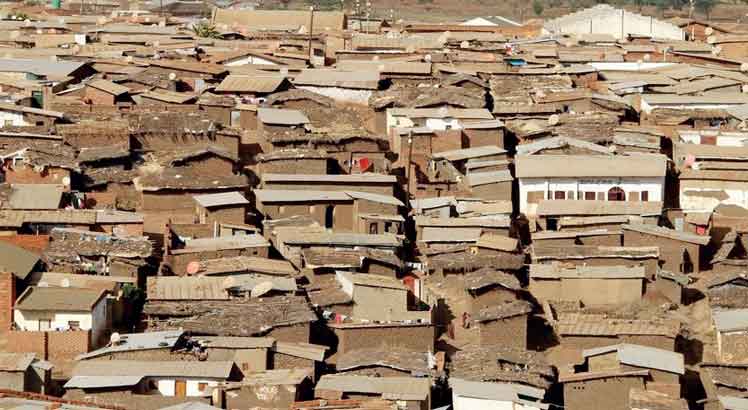
The reason for building a new settlement is understandable. Kailizi covers 445 hectares, more than twice the size of the overcrowded Dzaleka—a camp designed for about 10 000 people that now house triple that number.
But for refugees, a new settlement means starting again after spending decades building their lives here. Their children, businesses and neighbours are here. They have already lived with uncertainty for most of their lives.
Glimmer of hope
The Malawi Law Commission is reviewing the Refugee Act, including the strict encampment policy that denies refugees the right to work outside Dzaleka.
Advocates of a new proposed bill want it to provide opportunities for refugee integration and the possibility of acquiring citizenship for those who meet the necessary legal requirements.
That will mark a dramatic reversal from 2023, when the government clamped down on refugees working and owning businesses in Lilongwe.
Following a surge of arrests and forced returns to Dzaleka, UNHCR warned: “Relocating self-sufficient and productive refugees and asylum-seekers to Dzaleka will only exacerbate these problems as their prospects of rebuilding their lives will dwindle.
“The relocation will also negatively affect refugee children enrolled in schools across the country should they have to join overcrowded classes in the camp.”
The reduction in food aid at Dzaleka is the slow disappearance of the systems that refugees have depended on to make our existence bearable.
Many of us are excited about the proposed law amendment. As WFP and UNHCR struggle to support us, abandoning encampment will allow capable refugees to become self-sufficient.
We have contributed to Malawi’s economy for decades. We pay taxes, create jobs and employ many in the host community.
If the amended Act allows us to work and operate freely across the country, it will be a dream come true. It will ease the pressure on already strained resources.