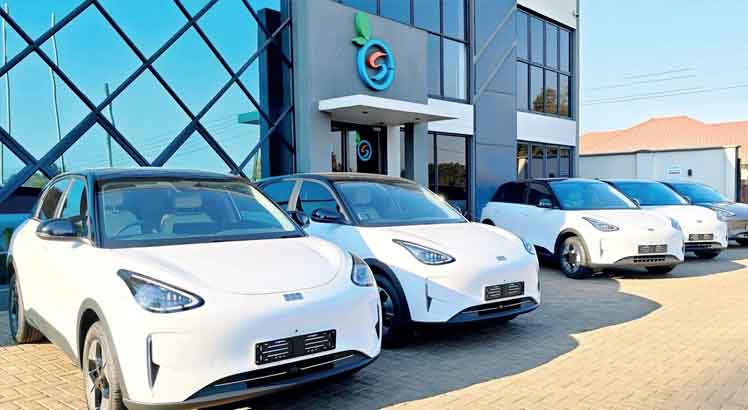
One hundred electric taxis on call. Forty fast chargers on the go. About 300 jobs up for grabs. the Sky Energy Africa is laying the groundwork for electric mobility to save forex and cut fossil fuel emissions that cause climate change.
The sustainable energy enterprise, founded by youthful entrepreneur Schizzo Thomson, launches the e-mobility ecosystem to mark its decade in Malawi.
“After three years of learning, we realised that e-mobility is the future that will solve several issues, including forex and fuel shortages,” he says. “Malawi imports fuel worth $60 million a month. EVs can save this forex because we have electricity that we generate here.”
Sky Energy became the country’s premier dealer of electric vehicles in 2023, but clients relied on slow home chargers.
Powering e-mobility
A full charge that lasts 400 kilometres (km) consumes electricity worth nearly K5 000.
It will cost about K25 000 in the rapid charging sites to be installed in cities, fuelling stations and shopping malls along busy roads.
Petroleum-fired vehicles cost at least five times more on a drive from Lilongwe to Blantyre or Mzuzu, which is about 100km shorter.
The cutbacks on imported fuel and carbon emissions have endeared e-mobility to businesses concerned about social and environmental impacts.
“We wanted it to be for everyone. So, we have developed Sky e-Ride, a smart app like Uber that anyone can download and use to hail the nearest e-taxi for as low as K1000 per kilometre,” Thomson says.
The ride-hailing phone application also allows drivers to locate the nearest smart charger, which is free.
Sky Energy employs about 30 people aged below 40, but expects the e-mobility enterprise to create 300 jobs for drivers, charger operators and software developers.
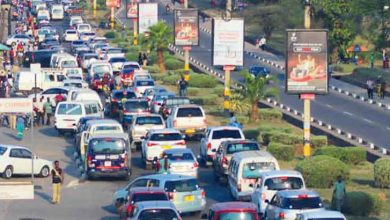
The youth-led business is transforming Malawi’s transport mix, which remains high on petrol and diesel.
EVs’ arrival on Malawi’s roads has prompted the drafting of applicable regulations.
Malawi Energy Regulatory Authority spokesperson (Mera) spokesperson Fitina Khonje said Malawi is collaborating with neighbouring countries to learn from their experience and best practice.
Among others, Mera aims to integrate EV chargers into existing and emerging fuel stations for diversified and sustainable transport system.
“The proposed guidelines for fuel retail outlets suggest that Mera will have the ability to designate service stations where EV charging infrastructure will be required, considering the location of the station, traffic volume, strategic importance and national energy policy objectives,” says Khonje.
The Ministry of Energy plans to launch the National E-Mobility Framework next Wednesday. Its spokesperson, Joan Thaundi, says the 100 EVs and charging sites show private players are eager to join the government in achieving e-mobility goals at a time when the world is working to reduce fossil fuel use.
“Therefore, we are happy that the private sector has taken a leading role in implementing this and we look forward to seeing more players on the market,” she says.
Parliament has removed customs and excise duty on EVs, a policy environmentalist Herbert Mwalukomo termed progressive and a strong signal about the country’s ambition to transition to clean and sustainable transport.
The new investment and law clear the way for Malawi’s transition to clean mobility.
Africa on the move
Recently, Ethiopia banned the import of petrol and diesel cars to eliminate tailpipe emissions. Its EV adoption has surged from 7 000 vehicles to about 115 000 since 2023, signalling strong market momentum.
Next door, President Hakainde Hichilema has ordered all Zambian government institutions to exclusively procure EVs instead of internal combustion engine vehicles that produce smoky fumes and annoying noise.
During the unveiling of Malawi’s first EV three years ago, then Minister of Energy Ibrahim Matola hinted that the government would switch to “cleaner mobility” to cut the petroleum import bill and false fuel claims.
Bizarrely, government institutions have yet to add EVs to their fleets, as have National Bank of Malawi plc, FDH Bank plc and Eris Properties.
“We expected the government to step in and make the switch to cut carbon emissions, fuel costs and externalisation of forex, but change does not happen overnight,” says Thomson.
To the 2019 Forbes Africa 30 Under 30 young African innovators to watch, change is unstoppable.
He recounts: “In 1894, the main crisis wasn’t shortage of fuel or forex, but piling manure horses left behind as they moved people, goods and services.
“Technology changed everything. Humanity doesn’t overcome crises by improving the old system, but by coming up with a new one.”
Before the automobile, horses were the lifeblood of urban transportation in London.
History shows over 50 000 pulled buses, carts and carriages, dumping over 1 000 tonnes of dung on the streets every 24 hours.
Making EVs work
This created a nuisance and public health disaster, with smelly manure and flies spreading typhoid, cholera and other diseases.
“Cars as we know them today started with innovators asking themselves: What can we do differently to end the Great Horse Manure Crisis?
“At Sky Energy, we asked ourselves the same question in 2016 when persistent blackouts that used to last over 15 hours challenged us to start providing solar energy installations, storage and engineering solutions.
“Today, we ask ourselves: What can we do to end fuel queues and forex challenges that paralyse economic activity?
To Thomson and his team, the answer is not to put EVs on the road without somewhere to charge, but to create an ecosystem for affordable, clean, sustainable mobility.