Five elective positions were filled through the June 30 by-elections: three parliamentary seats and two ward councillor positions. Voter turnout was low, and rightly so; that has become the dominant talking point.
The Malawi Electoral Commission (MEC) has expressed concern. Election observers have attributed the apathy to inadequate civic education, weak mobilisation, elections being held on working days, and a growing sense among voters that by-elections do not significantly change the national picture. All those explanations are valid.
But as I followed the election and the conversations that came afterwards, I found myself asking a different question. Beyond the low turnout, is there another story we are failing to tell? I believe there is.
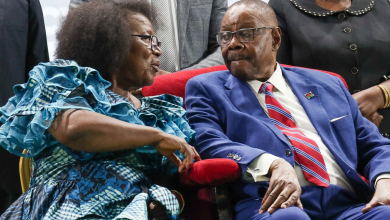
It is the story of women, or rather, the lack of them. Men have occupied all five seats. While that may simply reflect the verdict of the electorate, the bigger issue is that women were barely in the race to begin with. Of the 22 parliamentary candidates approved by MEC, only seven were women. At ward level, just two women contested against 10 men.
This is despite Malawi proudly championing gender equality for years. We have a Gender Equality Act that aspires to a 60:40 representation of either gender in leadership. We regularly remind ourselves that women make up more than half of the country’s population. Hardly a public event goes by without someone emphasising the importance of empowering women politically.
Yet the numbers from these by-elections tell a very different story. If women remain underrepresented even before voters cast their ballots, then the problem is much deeper than election-day outcomes. So, where are we getting it wrong?
Part of the answer lies with political parties. They remain the principal gatekeepers to elective office. They determine who receives endorsements, campaign resources and organisational support. If parties continue to favour male candidates, the imbalance will persist regardless of how many gender policies we draft.
But political parties are not the only ones who deserve scrutiny.
Ordinarily, discussions around women’s political participation attract passionate voices from advocacy groups and civil society organisations. Yet after these by-elections, there was barely a whisper about the glaring gender imbalance.
One would have expected statements expressing concern that women were once again underrepresented, or indeed, renewed calls for reforms before the next election cycle. Instead, the conversation almost exclusively revolved around voter turnout.
That silence raises uncomfortable questions about whether our commitment to gender equality is sufficiently sustained. Have we inadvertently turned women’s political participation into a campaign that only gathers momentum during general elections or donor-funded programmes? If that is the case, then we are approaching the issue backwards.
Gender equality should not be seasonal. It should not depend on the election calendar or the availability of project funding. It should be pursued consistently, whether there is one by-election or a nationwide general election.
By-elections, in fact, offer an ideal opportunity to test new approaches. Because they involve fewer constituencies, political parties can deliberately promote capable female candidates. Civil society can focus its advocacy on a handful of races. Communities can rally behind women aspiring to leadership without competing against the noise of a national campaign.
Recent calls by gender advocates for laws requiring political parties to field more women deserve serious consideration. Such proposals are not about guaranteeing victory or giving anyone an unfair advantage, but ensuring women have a fair opportunity to compete.
Of course, legislation alone will not solve everything. Women continue to face financial barriers, cultural expectations and hostile political environments that discourage many from contesting. These challenges require long-term solutions involving political parties, communities, government and civil society alike.
The June 30 by-elections should therefore leave us with two concerns. The first is that too few Malawians turned up to vote. The second, and perhaps the more enduring challenge, is that too few women were given, or took, the opportunity to seek office.
As the country prepares for future elections, let us ensure that our conversations about democracy extend beyond the ballot box. The quality of our democracy will be measured not only by how many people vote, but also by whether every capable Malawian, woman or man, feels equally able to stand for election.
From where I stand, until more women are encouraged, supported and empowered to compete meaningfully for public office, Malawi’s democracy will remain representative in law, but incomplete in practice.