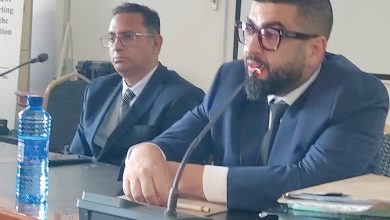
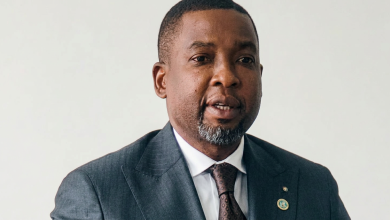
Since the start of the year, President Peter Mutharika has increasingly bypassed First Vice President Jane Ansah and Second Vice President Enoch Chihana, leaning instead on Cabinet ministers to execute State duties.
Capital Hill officials emphasize that this decision promotes financial austerity, noting that the president and vice president’s offices cost more to run than those of Cabinet Ministers.
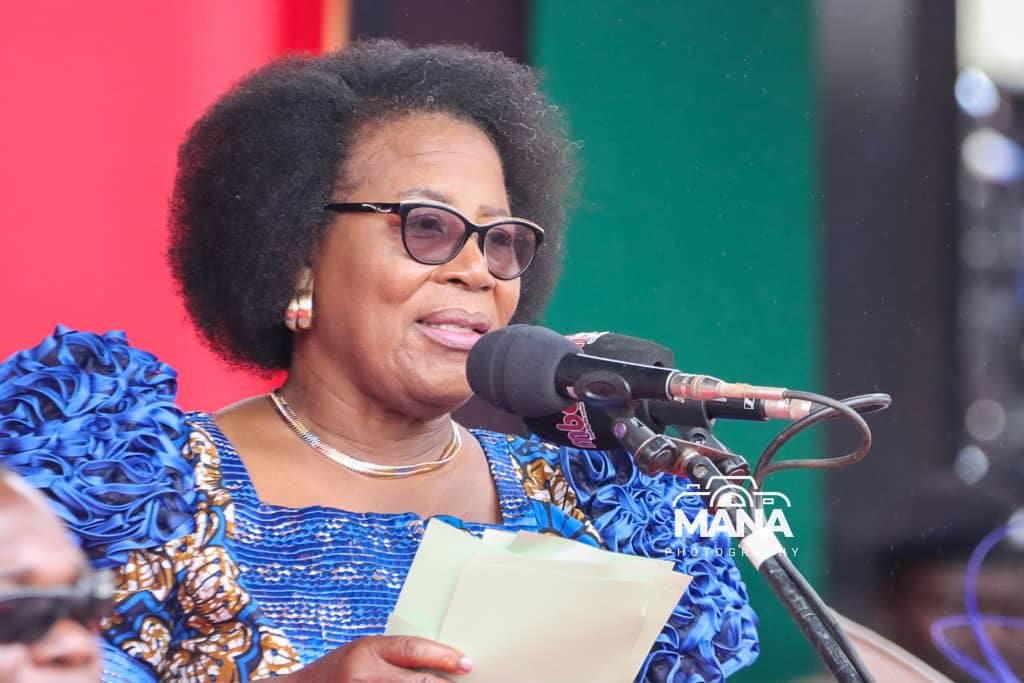
While the move is fully backed by Section 89 (6) of the Constitution—which states that presidential powers may be carried out personally by the President, a Cabinet member, or a designated government official with written authorization—Ansah was also stripped of the portfolios of Disaster Management Affairs and Public Service Reform.
Mutharika’s delegations
Mutharika delegated Minister of Finance Joseph Mwanamvekha to represent him at the John Chilembwe Day commemorations on January 15 in Chiradzulu.
This decision occurred despite Second Vice President being in office; the First Vice President Ansah was out of the country in the United Kingdom.
Both Vice Presidents were absent from key presidential events and departures despite being in the country.
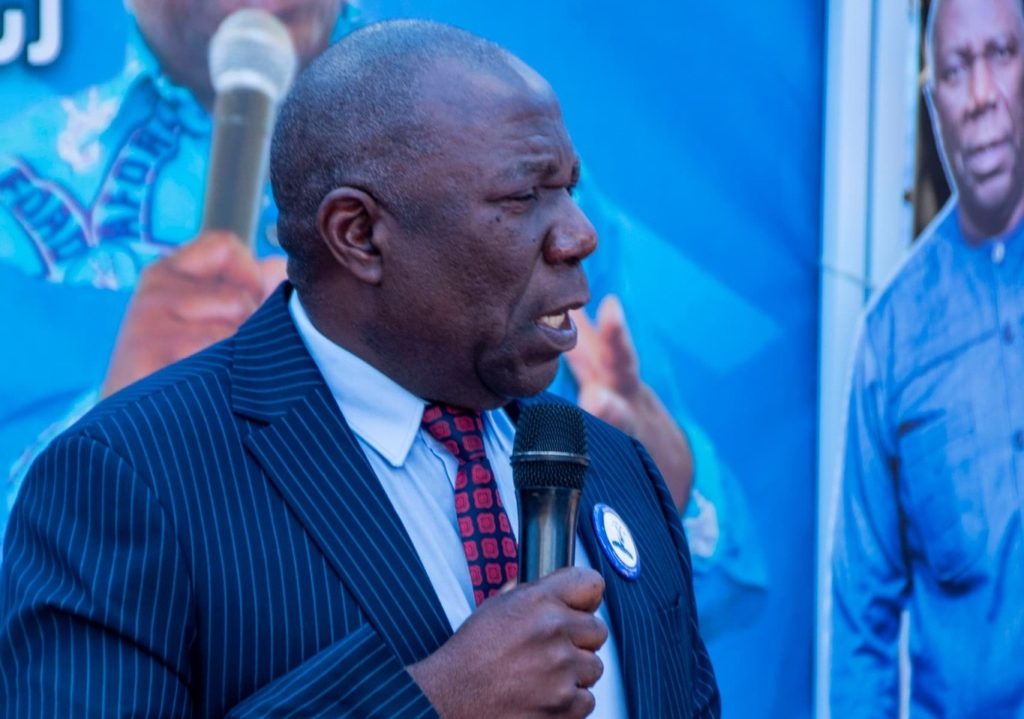
They did not see the President off on his March 1 private trip to South Africa, nor did they attend national ceremonies, delegating representation to Minister of Transport and Public Works Jappie Mhango for Martyr’s Day on March 3 in Nkhata Bay and to Minister of Sports Youth and Culture Alfred Gangata for Kamuzu Day on May 14.
Minister of Agriculture, Irrigation and Water Development Roza Fatch Mbilizi opened the tobacco marketing season at Kanengo, Chinkhoma, Limbe and Mzuzu when Mutharika staid away. So did Minister of Industrialisation, Trade and Tourism Simon Itaye, in opening of the 36th Malawi International Trade Fair, which is mostly presided over by the Head of State.
OPC director of communications Focus Maganga, in a written response on Wednesday said the President will continue to exercise his constitutional discretion in delegating responsibilities as he deems fit and that this should not be misconstrued as an indication of “tension” or a bad working relationship with Ansah.
Said Maganga: “The Vice-Presidency is, by its nature, a delegated office. From time to time, the President may, at his discretion, reassign or adjust responsibilities to enhance efficiency and effectiveness.
“Such administrative adjustments should not be misconstrued as signs of discord. They are a normal part of governance aimed at ensuring tangible and measurable progress during their five-year mandate.”
The reduced public visibility of Malawi’s Vice Presidents points to either behind-the-scenes administrative duties or simmering political tensions, according to governance experts.
While the situation highlights an opportunity to delegate to Cabinet ministers and cut State costs, observers warn it may signal deeper internal power struggles within the administration.
Cautious assessment
Government and Public Planning expert George Chaima offered a cautious assessment, noting that the Vice Presidents may very well be fulfilling their mandates from the quiet of their respective offices—even if their absence is conspicuous to the public.
“It is possible that the two VPs are delegated duties which are being performed from their respective offices but not practically seen on the ground,” Chaima observed.
“We have seen mostly ministers presiding over events meant to be graced by the State President or his vice.”
While Chaima acknowledged there could be legitimate and strategic reasons for this shift, he did not rule out a darker political reality, adding that it could also be a symptom of underlying internal political conflicts.
Mzuzu University economist Christopher Mbukwa focused on the fiscal and administrative implications of the situation. For him, the grounding of the Vice Presidents proves that the presidency does not always require high-profile travel to get things done, and that national development can seamlessly continue.
However, Mbukwa was quick to point out that this administrative shift goes deeper than simple budget tightening. He suggested that there is more at play than just cost-cutting measures, viewing the reduced travel as an opportunity to test the capacity of Cabinet ministers.
“I think the limit to the vice presidents travel is more political than economics,” he opined.
Private practice lawyer Benedicto Kondowe noted in an interview that while President Mutharika holds the constitutional power to delegate roles at will, this must be balanced against institutional coherence and fiscal prudence.
Kondowe warned that withdrawing previously delegated responsibilities without assigning new, clearly defined mandates creates ambiguity and a general perception that constitutional offices are being sidelined.
Chairperson of the Human Rights Consultative Committee (HRCC), Robert Mkwezalamba, argued that the public expects their vice presidents to represent the nation at high-profile ceremonies, such as Martyr’s Day.
To justify the use of taxpayer funds, Mkwezalamba advocates for attaching the two vice presidents to specific ministries or structured national roles rather than allowing them to sit without designated portfolios.
Human Rights Defenders Coalition chairperson Michael Kaiyatsa added that in a presidential system, VPs are constitutionally positioned as principal deputies and are symbolically and politically expected to represent the President at high-level national functions when he is unavailable.
“Public offices must have substance, clarity, and responsibility. If Vice Presidents are neither entrusted with meaningful portfolios nor deployed during critical national events, then the country must ask whether the office is being institutionally respected or politically neutralised,” he said.