About 250 000 girls in the country are expected to start menstruating for the first time this year, amid ongoing challenges of period poverty, stigma and limited access to menstrual health information and services.
Speaking during the commemoration of World Menstrual Hygiene Day 2026 at Kachere Women’s Prison in Lilongwe on Thursday, Unicef Water Sanitation and Hygiene (Wash) lead James Robertson said there is need for urgent action to strengthen menstrual health services and ensure no girl is left behind.

He said the scale of girls entering menstruation each year calls for stronger investment in menstrual health education, improved access to affordable sanitary products and better sanitation facilities.
Robertson further said girls should be properly informed before reaching puberty, while boys, parents, teachers and community leaders must also be engaged to help eliminate stigma around menstruation.
“We need to ensure that girls are educated early, before their first period, and that communities openly talk about menstruation so that stigma is reduced,” he said.
According to Unicef, menstruation is a natural fact of life and a monthly occurrence for an estimated 1.8 billion girls, women, transgender men and non-binary persons of reproductive age, yet millions across the world are still denied the right to manage their menstrual cycles in a dignified and healthy way.
Presidential Initiative on Safe Motherhood director Ethel Kapyepye said the country has made progress since 2013 when it began observing World Menstrual Hygiene Day, including increased awareness, improved availability of menstrual products and gradual improvements in sanitation facilities.
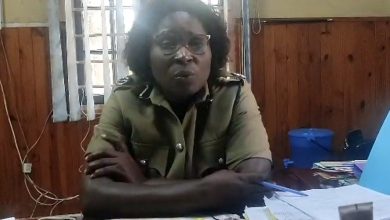
She said holding the commemoration at a women’s prison reflects government’s commitment to ensuring that menstrual health interventions reach all groups, including those in correctional facilities.
“Women in prisons face unique challenges such as lack of privacy and limited access to menstrual supplies, which affects their dignity and wellbeing.
“However, challenges remain, particularly for women and girls in rural and vulnerable settings as well as those in detention,” she said.
Kapyepye further said stigma and silence around menstruation continue to negatively affect confidence, education and wellbeing.
She called for collective action to expand access to menstrual products, improve sanitation infrastructure and strengthen education efforts to end stigma.
According to www.unwater.org, Menstrual Hygiene Day was observed globally on 28 May 2026 under the theme “#PeriodFriendlyWorld”.
It brought together governments, United Nations agencies, civil society organisations, researchers and communities to promote menstrual health and hygiene.
Observed annually since 2014 and coordinated by Wash United, with support from organisations including Unicef.
The day aims to raise awareness of the challenges many women and girls face in managing menstruation safely and with dignity.
The annual campaign also encourages action to address stigma, improve access to menstrual products and information, and strengthen water, sanitation and hygiene services.
Activities for 2026 include awareness campaigns, educational events and social media initiatives.