Bibiyana Kombi, 73, from Phimbi Village in Balaka District, lived in fear due to witchcraft suspicions that often stir mob attacks on elderly persons in Malawi.
He feared for his life since May when Mavuto Chikwerete, 38, publicly accused him of killing his sister’s son in Blantyre City.
“My nephew died of natural causes, but the accusations ruined my life and relationships with family members who believed my accuser,” Kombi laments.
A 2022 Afrobarometer opinion poll shows that about three-quarters of people in the country associate poverty, sudden death and other misfortunes with witchcraft. The survey ranked the elderly, especially women, among the worst victims of witchcraft accusations.
For over a month, Kombi shunned public appearances for fear of possible violent attacks.
“I was mentally disturbed, afraid of being killed as the allegations spread fast,” he recalls. “I later reported the incident to Utale Police Unit because accusing someone is a crime.”
However, it took over a month before his accuser could answer the charges punishable by five years imprisonment.
“Meanwhile, my accuser, who claimed to be ill, kept insulting me every time we met at the market,” says Kombi. “After all, we couldn’t afford a 64-kilometre motorbike trip to Balaka Magistrate Court and police station.”
Although Malawi has adopted progressive human rights laws and conventions to protect vulnerable populations, including women, girls, boys and persons with disabilities, long travels to courts frustrate rural communities like Kombi’s from seeking justice.
The long wait for justice expose the vulnerable to continued victimisation and the impunity.
With no recourse, Chikwerete stole 11 chickens from Kombi, but only returned nine after community policing members intervened.
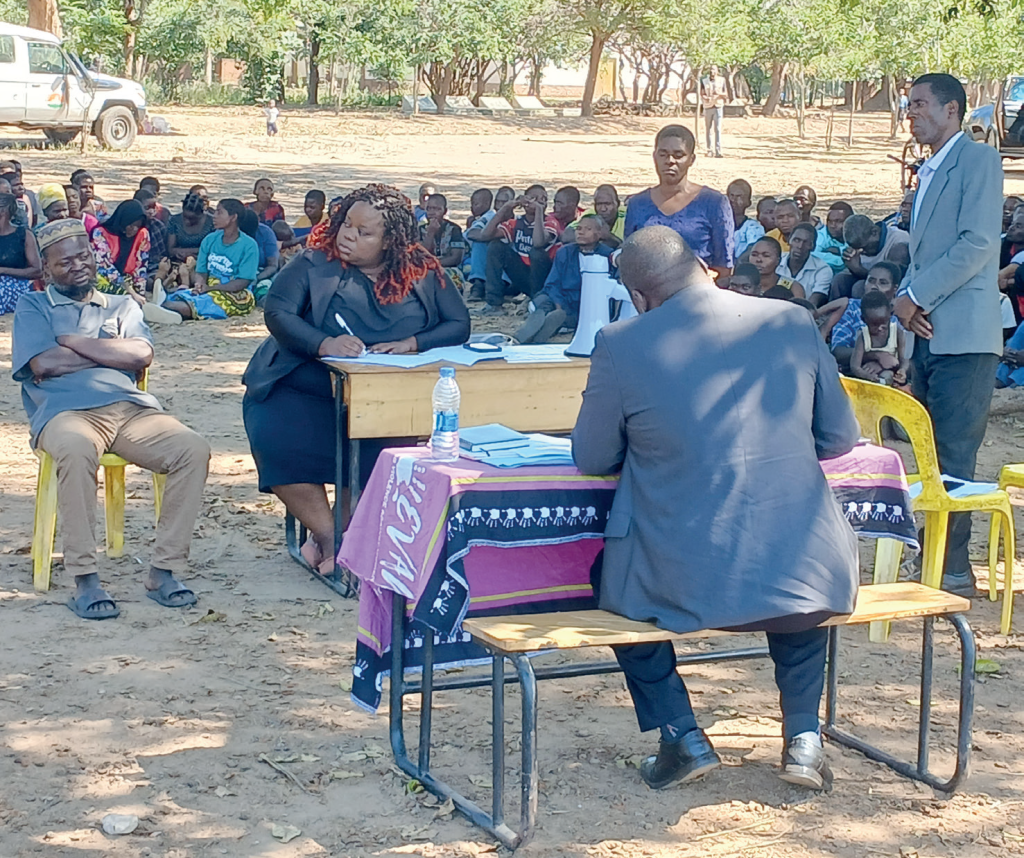
However, Kombi had the last laugh last Tuesday when Balaka First Grade Magistrate’s Court, meeting under a Thundu Tree, publicly tried Chikwerete in the village.
Oxfam in Malawi supports the mobile courts under the Africa Innovation Challenge that the Centre for Alternatives for Victimised Women and Children (Cavwoc) implements in partnership with the Judiciary and police.
The challenge brings justice closer to vulnerable groups, including survivors of sexual and gender-based violence (SGBV) in hard-to-reach communities often denied legal redress due to geographical and financial barriers.
On the eve of the hearing, Women Lawyers Association convened meetings to encourage those who had experienced rights violations to speak out and seek justice.
During the meeting, Kombi opened up about his futile search for justice, persuading first grade magistrate Stanford Majoni to order the immediate arrest of Chikwerete pending a court hearing the next day.
“It was a dream come true to see justice happening right in my area,” says Kombi.
The court also terminated Alice Francisco’s marriage on the grounds of chronic abuse by her husband, Alfred Reuben.
Phimbi Area Development Committee chairperson Ephraim Kamtega says mobile courts boost access to justice and the fight against crime.
“These courts deter crimes,” he says. “Those who attended the court session have learnt that if you call someone a witch, a five-year jail term awaits.”
The project has facilitated 10 mobile courts that have resolved 40 SGBV cases in Phalombe and Balaka districts since 2023.
Majoni says bringing court services to hard-to-reach communities raises awareness about law and order.
“The mobile courts save time and spares them from walking long distances to courts at Phalula Trading Centre and Balaka Boma.
“Every ruling is a strong warning to perpetrators and would-be offenders of both criminal and civil cases in this area.”
Cavwoc programme manager Treassar Msokera says the mobile courts eliminate the barriers gender-based violence survivors encounter to access justice in underserved communities.
She says: “Survivors often fail to pursue cases due the long travels to courts. This initiative not only enhances access to justice, but also strengthens community resilience and advocacy to ensure an equitable and just society.”
Oxfam gender justice programme officer Kelvin Munthali-Mwale, , says mobile courts foster transparency and community participation in judicial processes, building trust in the legal system.
“The good thing is they are witnessing justice being delivered promptly,” he says. “This contributes to rights awareness, creating demand for mobile courts.”