Malawi, a country rich in resources and untapped potential, continues to face significant economic challenges.
High production costs, inefficient supply chains, and reliance on imported goods are just a few of the issues that contribute to the country’s ongoing struggles.
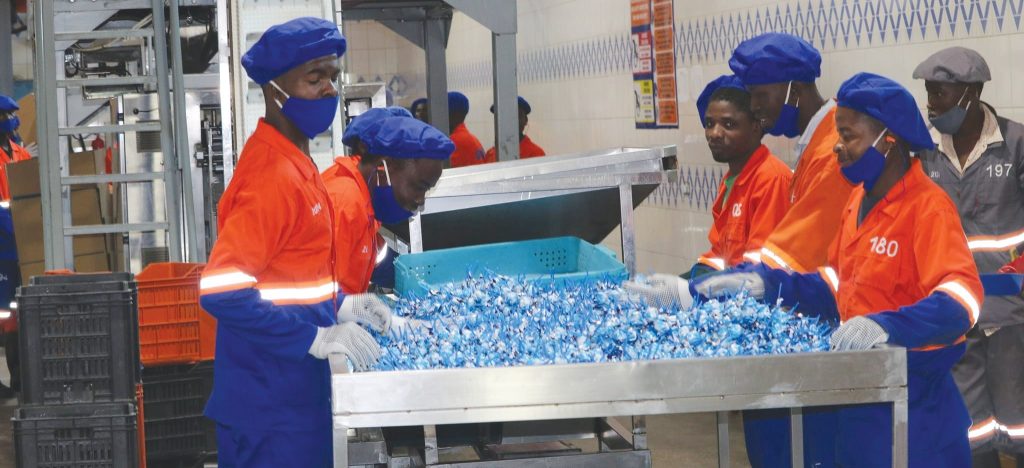
While these problems are multi-faceted, there is growing consensus among economists, policymakers, and business leaders that investing in manpower development may offer a path toward mitigating some of these challenges and promoting long-term economic growth.
High production costs: A barrier to economic growth
One of the key contributors to Malawi’s high production costs is the skilled labour shortage. The National Statistical Office (NSO) Producer Price Index (PPI) data for 2023 and 2024 shows a significant increase in costs across multiple sectors, including manufacturing, electricity, water supply and food production.
This reflects a broader trend of rising costs of production, which is largely driven by inefficient labour practices, out-dated technologies and a lack of skilled workers.
In sectors such as food production and mineral extraction, Malawi’s reliance on outdated and inefficient practices hampers productivity. The manufacture of food products, which saw a staggering 44 percent increase in production costs from 2023 to 2024, remains one of the hardest-hit sectors.
With a growing population and increasing demand for food, the country cannot afford to overlook the need for skilled workers who can drive innovation, improve efficiency, and reduce costs.
Impact on vulnerable Malawians
The rising costs of production and inflation, reflected in the PPI data, are particularly concerning for the most vulnerable Malawians. For families already struggling with high living costs, these economic pressures can push them further into poverty. The surge in essential commodities, including food, energy, and transport, has made it increasingly difficult for low-income households to make ends meet.
Malawians, particularly those living in rural areas, are disproportionately affected by these price increases. The cost of basic goods such as maize, the staple food in Malawi, has surged dramatically.
Currently, the price of maize is at K110 000 per metric tonne, a significant increase from previous years. This rise in food prices is compounded by limited local production and a lack of food sovereignty, with the country often relying on imports to meet its food needs.
For many households, especially those in the lower-income brackets, the skyrocketing price of maize means that the majority of their income is spent on food, leaving little room for other necessities like education, healthcare, and savings.
The lack of food sovereignty is making Malawi vulnerable to global food price shocks, which ultimately impacts the nutrition and well-being of families.
High inflation and the rising cost of living are causing widespread hardship for vulnerable communities.
The lack of skilled labour and the slow pace of local manufacturing in Malawi’s agricultural, energy, and healthcare sectors contribute to the country’s reliance on imports. This leaves Malawians susceptible to the economic volatility of global markets, especially in critical sectors like food and medicine.
Addressing labour challenges
One of the most effective ways the government can address these challenges is by investing in education and skills development. Malawi’s workforce is largely under-skilled, with limited access to technical training and vocational education.
According to the World Bank, improving human capital by investing in education and skills development is crucial for economic growth in developing nations. This is particularly true for sectors like agriculture, manufacturing, and mining, where skilled labour is essential to improving productivity and reducing costs.
To reduce high production costs, the government could prioritise vocational training programmes, especially in engineering, technology, and agriculture. These sectors are critical to Malawi’s economic development, yet they remain hampered by a lack of skilled workers who can leverage technology and improve productivity.
The government should collaborate with local universities, technical colleges, and private sector businesses to provide practical training programmes that will directly address labour shortages and help fill key gaps in the economy.
Leveraging technology
Along with labour shortages, the rising costs of logistics and supply chains are major economic bottlenecks in Malawi. The PPI data reveals the sharp rise in prices within the electricity and water supply sectors, largely due to inefficiencies in energy production and distribution.
Malawi’s lack of advanced technology and modern infrastructure is a key reason why energy costs continue to soar, affecting everything from manufacturing to households.
Investing in technology transfer and innovation can help reduce costs in energy production and logistics. One example of this could be the adoption of renewable energy solutions like solar and wind power. By promoting the development of local expertise in renewable energy, Malawi could reduce its dependence on expensive imported energy sources.
Moreover, fostering innovation in supply chain management using digital tools such as blockchain could streamline distribution processes, cutting down on logistical costs and improving efficiency.
Achieving sovereignty
In addition to addressing labour and production challenges, investing in manpower development could help Malawi achieve sovereignty in critical sectors such as food, energy, and medicine, three areas where the country remains heavily dependent on imports.
These three sectors contribute significantly to the country’s inflationary pressures and continue to drive up the cost of living for ordinary Malawians.
High inflation in these sectors has a direct impact on the manufacturing and export sector, as the costs of production rise, reducing Malawi’s competitiveness in international markets.
Food Sovereignty: Malawi, known for its agricultural potential, still faces challenges in ensuring its own food security. The rising costs in food production, highlighted by the 44 percent increase in food sector prices in the past year, reflect inefficiencies in farming practices and a reliance on external inputs.
By investing in agricultural education and promoting sustainable farming techniques, the government can help reduce dependence on foreign food imports and ensure more stable food prices for Malawian households.
Energy Sovereignty: Energy costs have been a major concern for businesses and households alike. The government can reduce energy dependence by investing in local renewable energy projects. With the right technical expertise, Malawi could harness its natural resources to produce cheap, sustainable energy for local consumption, cutting costs in the long run and creating green jobs.
Medicine Sovereignty: Another area where Malawi remains heavily dependent on imports is healthcare. The cost of medicines continues to rise, and local production of essential drugs is minimal.