Malawians yesterday celebrated 61 years of independence with statistics showing that the country’s population has risen from just over four million in 1966 to an estimated 18 million in 2024, reflecting a 436 percent increase.
The Nation analysis of various reports since the first Population and Housing Census (PHC) in 1966 when the country attained her republican status, Malawi Demographic and Health Survey (MDHS), Integrated Household Survey and National Census of Agriculture and Annual Agriculture Production Estimates Survey shows that the number of households has also increased significantly from 1.1 million in 1977 to about four million by 2018.
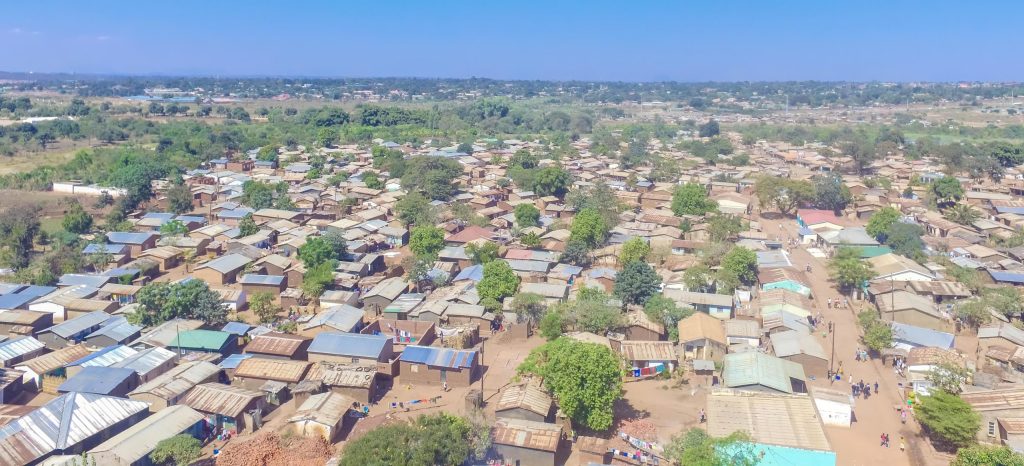
The reports further show that the number of people per square kilometre increased from 43 in 1966 to 186 in 2018, creating more pressure on land and other resources.
NSO commissioner of statistics Shelton Kanyanda, speaking in an interview, said over the years the censuses have shown increasing scope, improved methodological rigour and integration of new technologies such as Geographic Information Systems (GIS) and electronic data collection (used in 2018).
In an interview, he said: “The regularity and improved quality of these censuses reflect strong national commitment and enhanced technical capacity.”
Demographer and social statistician Professor Nyovani Madise said as of July 2025, the country’s population was projected at 22 million.
She observed that at between 2.5 and three percent, the country’s annual growth was very high.
Madise, who is president of the Union for African Population Studies, noted such high population growth rates mean that the population doubles every 25 years.
She said: “High population growth is principally due to persistently high fertility, although the average fertility per woman has fallen from seven in the 1960s-1990s to 3.85 per woman in 2022.”
Commenting on the data, governance and policy expert Mavuto Bamusi observed that the population growth rate was significantly high and exerts pressure on the country’s resources thereby making sustainable development very problematic.
He said economic resources were under intense pressure such that the high population is pulling down economic growth.
According to PHC reports, in 1977 Malawi had 5.5 million people, increasing to almost 7.98 million in 1987 and to 9.98 million in 1998. In 2008, the country witnessed a population boom, growing to 13.1 million.