Women’s Manifesto Movement (Women) is leaving no stone unturned in ensuring duty-bearers’ accountability on their women’s rights commitment ahead of the September 16 General Election.
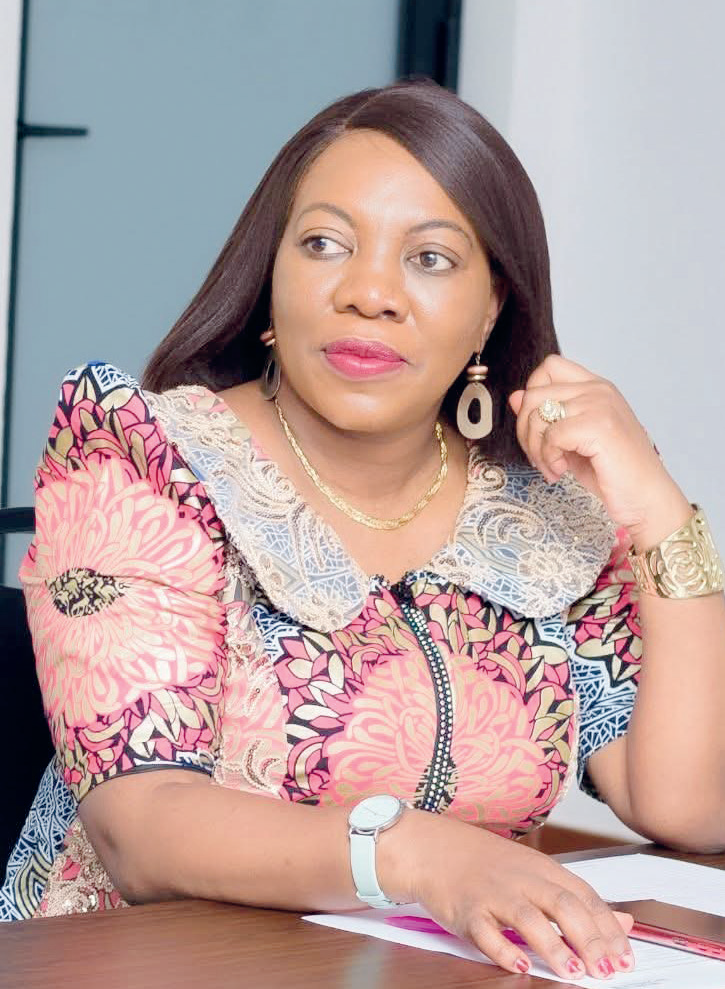
Women coordinator Maggie Kathewera-Banda said in an interview last week that besides establishing a monitoring and accountability tracking system, the movement would also carry out working sessions with duty-bearers on fast-tracking realisation of their commitments.
reports. I Nation
One of the multiple purposes of WMM, a political tool for advocacy, is to hold duty-bearers, both State and non-State actors, accountable for their commitments on women’s rights.
“Every year we will produce reports that will be presented to the leaders to see for themselves whether they are making progress or not.
“Mind you, the demands in the manifesto are not just for presidential candidates but for different duty-bearers in different sectors,” explained Kathewera-Banda who is also Women’s Legal Resources Centre (Worlec) executive director.
Since the launch of the 2025-20230 WMM, almost all presidential candidates for the country’s major political parties have committed to embrace aspirations outlined by the Women’s Manifesto to champion women’s rights and gender equality if voted into office.
The candidates have also signed commitment cards, symbolising their political parties’ commitment to promoting women’s rights and integrating gender concerns into national development plans.
On her part, Disabled Women in Development (Diwode) executive director Sigere Kasasi said there is need for the duty-bearers to encourage inclusive participation of women and girls with disabilities in political as well as public life.
She said: “Those commitments must not end at signing the documents but they must also be realised.”
Kasasi also encouraged the women and girls with disabilities who have expressed interest to contest in next month’s elections.
According to her, about 36 women with disabilities are vying for positions in local government polls while seven presented their nomination papers for parliamentary seats, a development she described as encouraging for their advocacy work.
The WMM stands as a bold declaration of Malawian women’s unwavering commitment to gender equality, justice, and the full realisation of their rights.
The movement integrates intersectional gender perspectives, addressing the unique struggles faced by women across diverse social and economic contexts.
“Women deserve the full implementation of laws that protect women’s rights, including stronger measures against gender-based violence,” reads the manifesto in part.
Speaking at Kamuzu Palace in Lilongwe last month after being presented with the WMM booklet, President Lazarus Chakwera stressed that Malawi 2063 cannot be achieved if women are left behind.