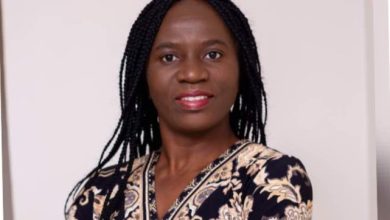
In Issa village, Traditional Authority Namavi in Mangochi District, Aisha Alick recalls how girls in her community once perceived early marriage as the only path out of poverty.
Today, as a champion of girls’ rights, she has helped stop three child marriages.
“I’m not done yet,” she says.
The clan head is one of local leaders reshaping Malawi’s human rights story under Strengthening Human Rights for Vulnerable Populations in Malawi project, supported by the governments of Norway and Iceland through UNDP.
UNDP implements the initiative in collaboration with the Malawi Human Rights Commission (MHRC), National Statistical Office (NSO) and civil society organisations in Mangochi, Nkhotakota, Salima and Mzimba.
Previously, delays, stigma and weak systems hindered gender-based violence (GBV) survivors, particularly in remote areas, access to justice. They seldom reported their case.
Today, that is changing.
Gift Kalihe, child protection worker in Nkhotakota, lacked essential tools.
“No tablets, no transportation, and no access to quality data,” she says. “Today, we can capture and share accurate information in real-time. Survivors are coming forward because they see a system that works and listens.”
The Sexual and GBV Observatory Hub, a digital case management platform operated by NSO, connects social workers, courts, health services and police in real time, offering a single source of truth for swift response.
“Now, data flows in real time, cases are monitored, responses are quicker and stakeholders have started using the same evidence to inform their action,” says NSO chief statistician Lameck Million.
The hub now operates across 11 districts and the African Union and other regional bodies are exploring ways to replicate the innovation named one of the top 360 digital development initiatives in the 2025 World Summit on the Information Society prizes.
After learning about their rights through local awareness campaigns, 15-year-old girls concealed as Patuma and Rasheeda, from Mangochi District, returned to school.
“I won’t let early marriage stand in my way to become a nurse,” says Patuma, who refused an arranged marriage.
Rasheeda, who terminated a harmful relationship, now mentors her peers—showing that change is possible when girls are empowered to make informed choices.
In Traditional Authority Mponda, Mangochi, Kola Dyton, a man with a disability, was dispossessed of his land. For three years, he could not cultivate on the land.
”With support from paralegals and traditional leaders trained under the project, I stood up and I got my land back,” he says.
In Nkhotakota, Mary Chiimba leads a network of over 120 female sex workers, once silenced by fear and stigma, to understand and defend their rights.
“We’ve been empowered to report violations without fear,” she says. “This project has given us a voice and the courage.”
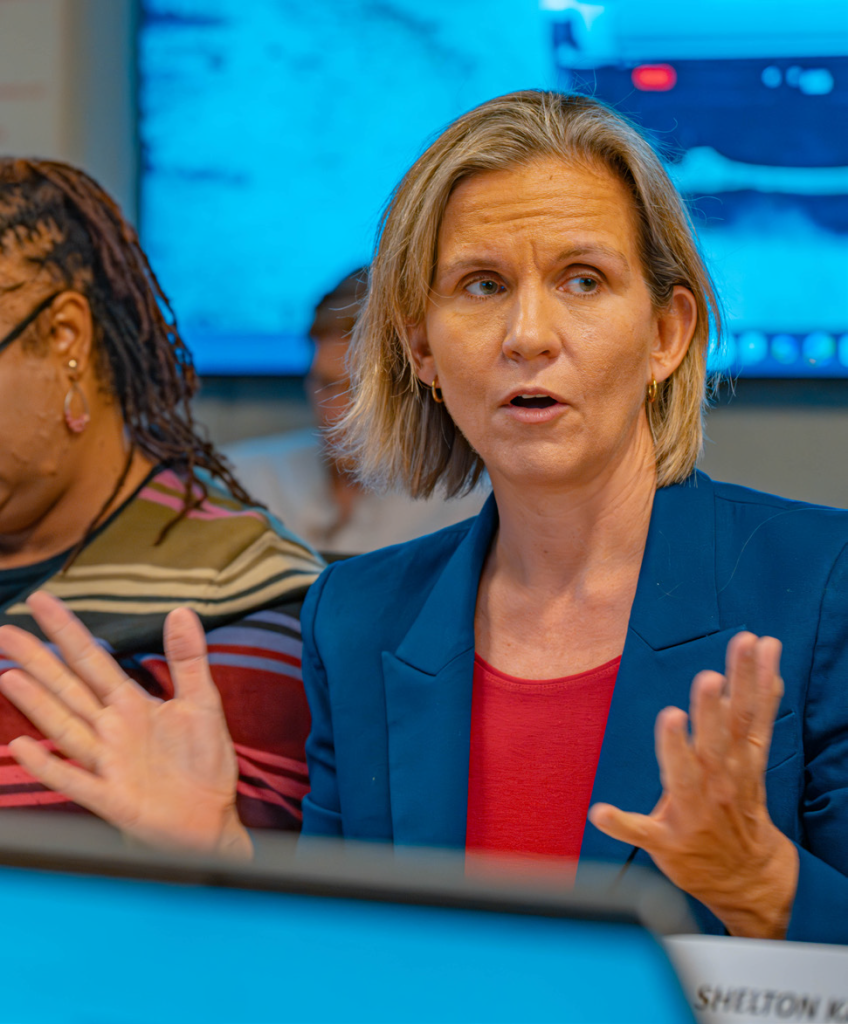
Their stories came to life in Lilongwe during an event—titled Voices of Change: A Journey into Human Rights in Malawi— hosted by the UNDP country office in Lilongwe
The showcase of transformation included photo displays, video testimonials and interactive discussions.
“The idea commenced as a routine field visit… it was decided to bring the project to Lilongwe through video clips, photography, and testimonials,” said UNDP resident representative Fenella Frost.
This event enables participants to engage on shared values and advocate for continued efforts to address human rights issues.
Former Norwegian Ambassador to Malawi, Ingrid Mikelsen told participants: “Let us not forget that at the heart of this initiative is the principle of dignity, recognising that every Malawian, regardless of their gender, age, identity or circumstance, is entitled to rights, respect, and opportunity.
“Let us return to our respective roles with a shared sense of urgency and resolve, knowing that the progress we seek is possible—if we walk this path together.”
David Bjarnason, head of mission at the Embassy of Iceland, said the gathering was both encouraging and necessary.
“Hearing directly from those advancing human rights in Malawi allows us to reflect on where progress is taking place and where efforts must be deepened. These are not elusive ideals, they are the everyday fundamentals of a full and dignified life,” he said.
Universal Periodic Review
As Malawi prepared for its Universal Periodic Review at the UN Human Rights Council, this project contributed to both national and shadow reports that determine how the country’s human rights progress is assessed and supported.
MHRC executive secretary Habiba Osman said underscored the need to hold leaders to account, particularly in an election year.
“This should give us the opportunity to reshape, reimagine and rethink the space of human rights. Let us pull up the gains and work together to hold those who want to lead accountable.”