For years, conversations around Malawi’s music industry have been dominated by a familiar script of artists struggling to navigate the business side of their craft or creative talent rising faster than the systems meant to support it.
In an industry still finding its footing in the global digital economy, it is only fair to shift the script and start looking for solutions to the problems.
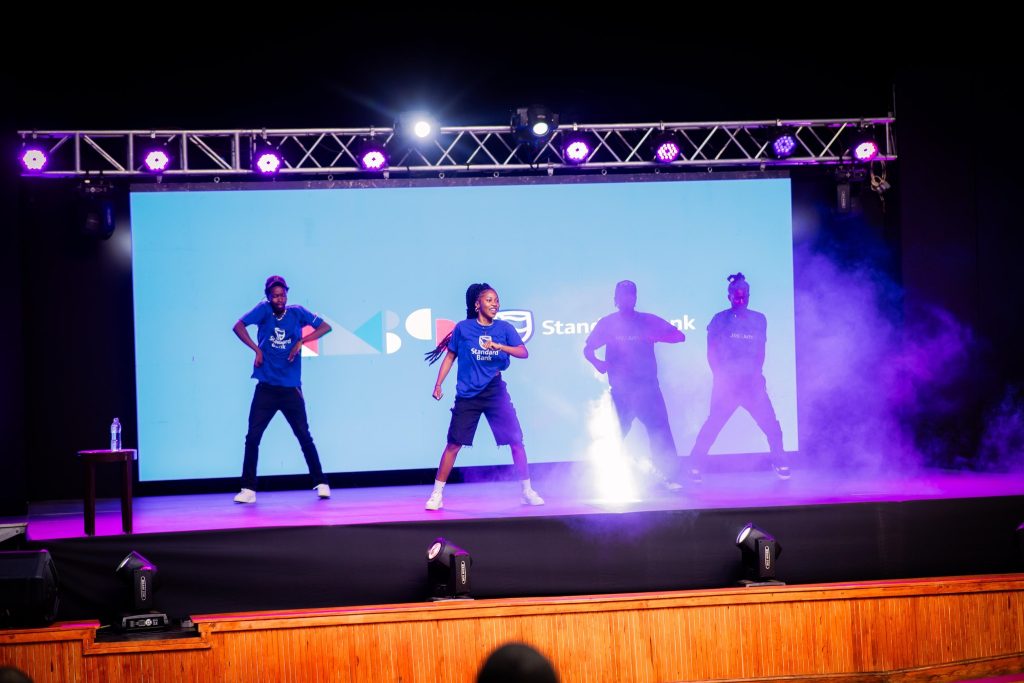
Last week, it felt like the first step for most creatives when the country hosted its first Music Business Summit, a gathering that brought together artists, producers, managers, publishers, distributors, corporate partners and regional experts.
Far from the usual, it was not a typical music event. The venue was filled with conversations about money, intellectual property, publishing, digital strategy, international markets and the sector’s place in national development.
Hills Capital managing director Bob Phondo said the event was the foundation to addressing knowledge and structural gaps in the music industry.
“The music industry is doing well in Malawi now, however it does lack certain proper structures. To be able to grow, we need stakeholders who can give us the tools and guidance, and that is why we organised the summit and brought some of those people here,” he said.
Phondo, who is also an artist’s manager, said structures such as distribution and publishing are crucial for the industry’s growth.
He added that the summit, which is expected to be an annual event, is designed to bring in people who can help set up such foundations for the industry.
“What we need now are strong, reliable structures, publishing systems, distribution networks, proper management and the kind of financial knowledge that allows artists to grow beyond Malawi,” Phondo said.
The presence of regional experts also underscored the urgency of this.
Zimbabwean publishing executive Munya Chanetsa led a music publishing masterclass and reminded attendees that creativity without business knowledge equals lost income.
He urged creatives to work together to realise the economic potential of the local music industry.
“Musicians and artists need to speak with a collective voice and help brands follow proper processes,” said Chanetsa, who is also Africa for Empire Publishing managing director.
He added that platforms like the summit are vital because the industry often prioritises talent over the systems that protect that talent.
“When we forget the business side, we lose money. Such platforms bring those necessary discussions back to the centre,” Chanetsa said.
Distribution expert and ONErpm label manager Vincent Mutuma concurred with Chanetsa, emphasising the need to connect Malawi’s music ecosystem to global systems.
“There is a need to link more Malawian musicians to global platforms and build proper structures, including scalable business models,” he said.
Some of the participants conceded that despite spending years in the industry, they still struggle with copyright ownership, licensing, publishing royalties and how to monetise digital platforms.
Lilongwe-based artist Bettie Kananda described the summit as an eye-opener.
“Many artists struggle to manage the business side of our work. This summit showed us how to navigate things like distribution, publishing and intellectual property,” she said.
Another artist, Kim of Diamond, said that misunderstandings around the business aspect of music have cost artists money.
“These discussions are necessary. We lose so much money on tables because we don’t fully understand how the industry works. Learning about publishing and distribution and all other structures is a game changer,” she said.
The organisations supporting the inaugural summit included Standard Bank plc. Through the Joy of the Arts initiative, the bank continues to support the creative industry.
Standard Bank plc head of brand and marketing Tamanda Ng’ombe said they acknowledge that Malawi’s music carries economic value far beyond entertainment.
“As a bank, we support the growth of music, arts and culture industries in Malawi. The Malawi Music Business Summit is the first of its kind and one of the key areas we have supported this year,” she said.
The event also received support from Copyright Society of Malawi. Other partners included Ketase Group, Kweza, Lab20, paradigm, kwenda.co, Door-bell, Coin, EMPIRE, ONErpm, and Kabula Diaries.